



























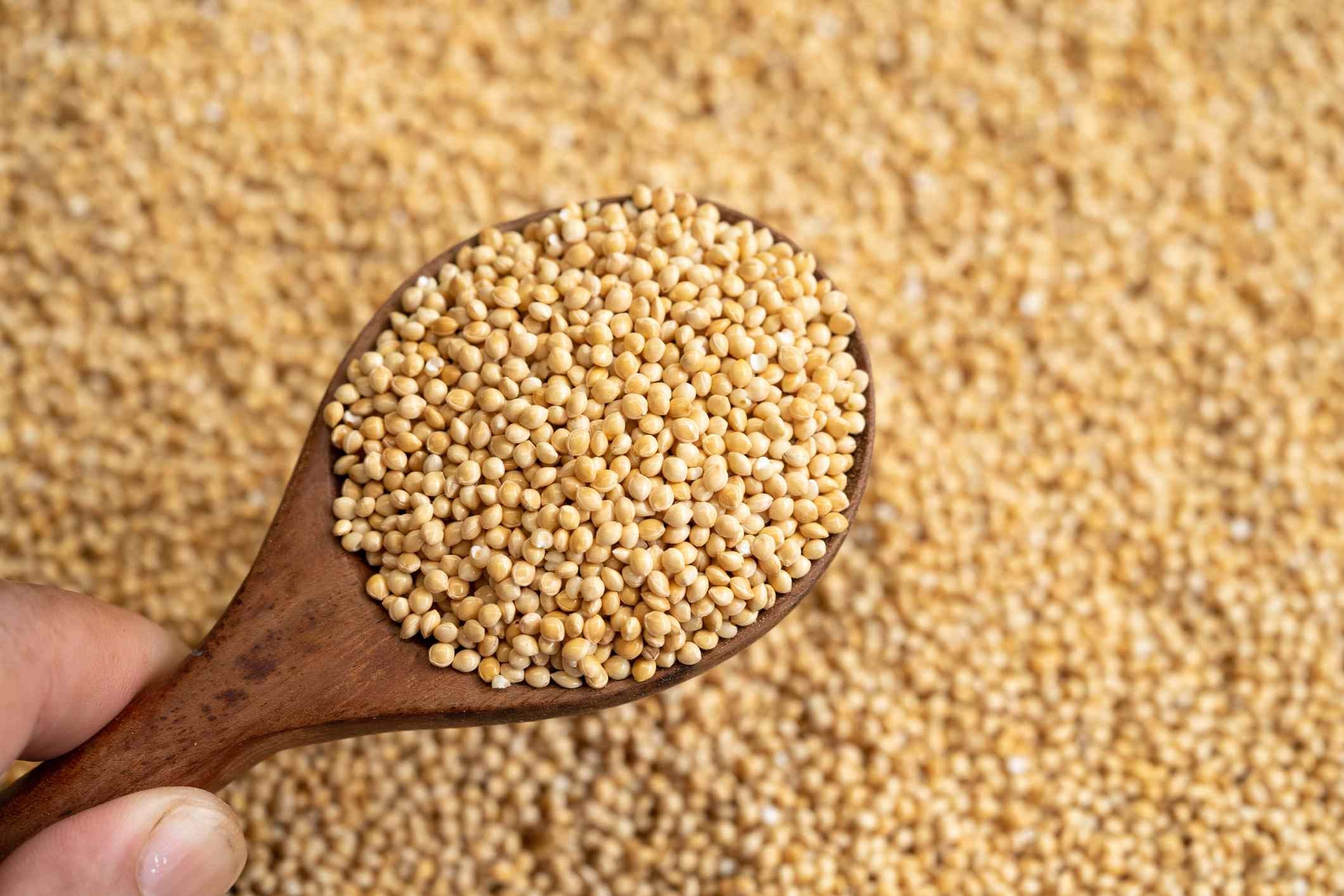
Amaranth, an ancient grain cultivated by civilizations like the Aztecs and Incas, is gaining modern recognition for its potent nutritional profile. While traditionally used for sustenance, emerging research suggests regular consumption can offer significant health advantages. This article explores the key ways amaranth impacts the body, backed by current findings.
Reducing Chronic Inflammation
Amaranth seeds are rich in antioxidants – phenolic acids, flavonoids, and carotenoids – which combat free radicals and mitigate systemic inflammation. Chronic inflammation is a key driver of conditions like heart disease, diabetes, and hypertension. Although most evidence comes from animal studies showing lowered inflammation markers in mice, the potential for similar benefits in humans is promising.
Lowering Cholesterol Levels
Whole grains are known to help regulate cholesterol, and amaranth is no exception. Animal studies indicate it can reduce total and LDL (bad) cholesterol. A single cup of cooked amaranth delivers 5 grams of fiber, 18% of the Daily Value (DV), which aids in cholesterol excretion and improves bowel regularity. While further human trials are needed, these findings suggest amaranth could be a valuable component of a heart-healthy diet.
Blood Pressure Regulation
Amaranth’s unique composition – including peptides and proteins that promote blood vessel relaxation – may contribute to lower blood pressure. The grain is also naturally low in sodium and high in potassium, further supporting cardiovascular health. High sodium intake is a major contributor to hypertension, making amaranth a strategic dietary choice for those monitoring their blood pressure.
Digestive Health Improvement
The combination of soluble and insoluble fiber in amaranth enhances digestive function. Soluble fiber helps regulate blood sugar and cholesterol, while insoluble fiber promotes regular bowel movements. Increased fiber intake from whole grains like amaranth is also associated with a reduced risk of colorectal cancer.
Nutritional Breakdown: What You Get in One Cup (Cooked)
Amaranth packs a nutritional punch:
- Calories: 251
- Fat: 4g (5.13% DV)
- Sodium: 15mg (0.65% DV)
- Carbohydrates: 46g (16.73% DV)
- Fiber: 5g (17.86% DV)
- Protein: 9g (18% DV)
Additionally, it’s a rich source of micronutrients:
- Manganese: 2mg (91% DV)
- Magnesium: 160mg (38% DV)
- Phosphorus: 364mg (29% DV)
- Iron: 5mg (28% DV)
- Selenium: 14mcg (25% DV)
- Zinc: 2mg (19% DV)
- Folate: 54mcg (14% DV)
Safety Considerations
Amaranth is generally safe for consumption. However, as with any dietary change, moderation is key. While rare, some individuals may experience mild digestive discomfort when first introducing it into their diet.
Incorporating amaranth into your regular meals can be a straightforward way to boost nutrient intake and support overall health. Though more human research is needed to confirm all its benefits, the existing evidence suggests it’s a promising addition to a balanced diet.