







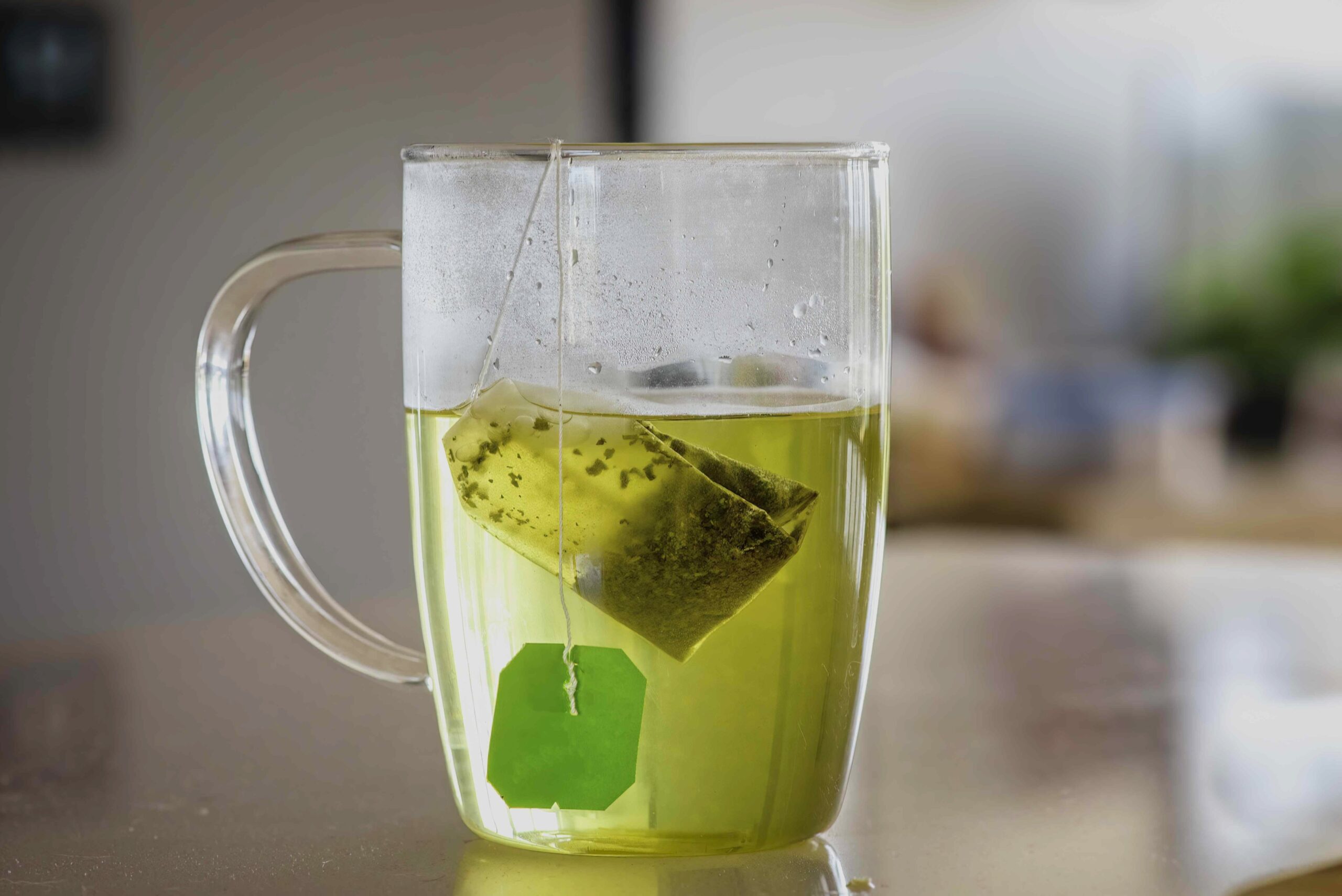
Green tea is often touted for its health benefits, including potential improvements in cardiovascular health. While research suggests it can modestly lower blood pressure, it’s not a cure-all, and excessive consumption carries risks. Understanding both the benefits and drawbacks is crucial for anyone considering green tea as part of a heart-healthy lifestyle.
How Green Tea Affects Blood Pressure
Blood pressure is the force exerted against artery walls; chronically high pressure (hypertension) damages organs and increases the risk of heart disease and stroke. Green tea contains catechins—powerful antioxidants that may help relax blood vessels, improving blood flow and potentially reducing blood pressure.
Beyond vessel relaxation, green tea tackles hypertension at the cellular level. It combats oxidative stress (caused by an imbalance of damaging free radicals) and inflammation, both of which contribute to arterial stiffness and high blood pressure. By neutralizing these harmful processes, green tea may protect heart function.
Recent studies support this: a 2025 review indicated that green tea supplements can lead to small but noticeable blood pressure reductions, and a 2022 study found no increased mortality risk for high blood pressure sufferers who drank green tea.
The Catch: Moderation Is Key
Despite these findings, green tea isn’t a substitute for medication or other lifestyle interventions. Overconsumption can be counterproductive, and some research even suggests excessive intake may slightly raise blood pressure. More rigorous studies are needed to fully clarify this relationship.
However, moderate consumption is generally safe and can complement a healthy diet, regular exercise, and reduced sodium intake for heart health. The key is balance.
Potential Side Effects & Considerations
Drinking too much green tea can lead to undesirable effects:
- Iron Absorption Interference: Green tea polyphenols block nonheme iron absorption (from plant sources) by as much as 85% when consumed with meals. While deficiency is rare, heavy drinkers may increase their risk.
- Caffeine Sensitivity: A 12oz cup contains roughly 37mg of caffeine, less than coffee, but still enough to cause jitters, headaches, or insomnia in sensitive individuals.
- Medication Interactions: High doses may interfere with drugs like nadolol (for hypertension) and other medications including chemotherapy, cholesterol drugs, and antibiotics.
- Supplement Risks: Green tea supplements (more concentrated) can trigger liver toxicity, nausea, or stomach pain.
Ultimately, green tea’s impact on blood pressure is nuanced. It’s a potential aid, not a magic bullet, and responsible consumption is essential.


