







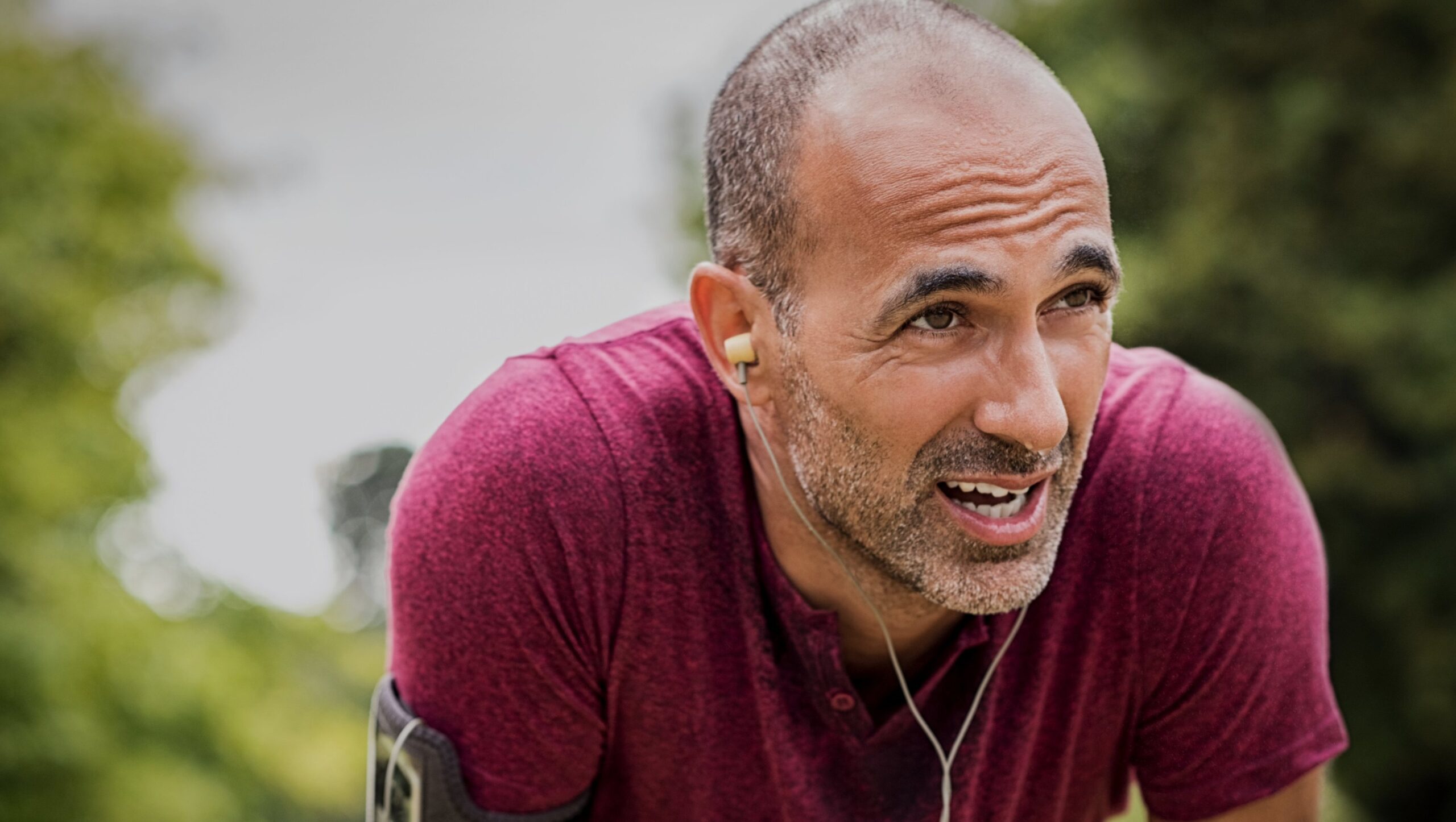
Staying physically active is crucial at any age, but it becomes particularly important as we get older. Maintaining fitness isn’t just about looking good; it’s about preserving independence, preventing chronic diseases, and maximizing quality of life. For men over 50, a well-structured workout routine can significantly slow age-related decline and enhance overall health.
Why Fitness Matters More With Age
As we age, our bodies naturally undergo changes: muscle mass decreases, cardiovascular function declines, and balance deteriorates. These changes increase the risk of falls, heart disease, diabetes, and other health issues. However, these declines are not inevitable. Consistent exercise can counter many of these effects, improving strength, endurance, and mobility. Ignoring fitness after 50 means accepting a faster decline in physical capabilities.
Core Components of an Effective Workout Plan
The best approach for men over 50 combines four key elements:
- Cardiovascular Exercise: Aim for at least 150–300 minutes of moderate-intensity cardio (brisk walking, cycling) or 75–150 minutes of vigorous-intensity (running, swimming laps) each week. High-intensity interval training (HIIT) – short bursts of intense effort followed by recovery – can be particularly effective for boosting fitness.
- Resistance Training: Strength training is essential for maintaining muscle mass, which naturally declines with age. Focus on compound exercises like squats, lunges, deadlifts, chest presses, and rows. Perform 2–3 full-body workouts per week, using 8–12 repetitions per set.
- Mobility and Flexibility: Stretching and mobility exercises improve range of motion, reduce injury risk, and enhance daily function. Include dynamic stretching (arm circles, leg swings) before workouts and static stretching (holding stretches for 30 seconds) afterward.
- Balance Exercises: Incorporate balance-focused movements like standing on one leg, walking heel-to-toe, or using a balance board. This helps prevent falls, a major concern for older adults.
Getting Started Safely
Before starting any new exercise program, consult your physician. This is especially important if you have pre-existing health conditions. A medical checkup can identify any limitations and ensure your workouts are appropriate for your individual needs.
Paul J. Arciero, director of the Human Nutrition and Metabolism Laboratory at Skidmore College, emphasizes that a well-rounded fitness program can improve chronic conditions and even boost testosterone levels naturally.
Nutrition for Peak Performance
Exercise alone isn’t enough. Proper nutrition fuels recovery and maximizes results. Focus on complex carbohydrates, lean protein, and plenty of vegetables at each meal. A registered dietitian can help you create a personalized eating plan tailored to your goals.
The Long-Term Benefits
Consistent fitness after 50 isn’t just about immediate gains; it’s about investing in a healthier future. Maintaining an active lifestyle reduces the risk of chronic diseases, improves cognitive function, and enhances overall well-being. The benefits extend beyond the physical, boosting confidence, reducing stress, and improving quality of life.
Prioritizing fitness now sets the stage for a more vibrant, independent, and fulfilling future.


