






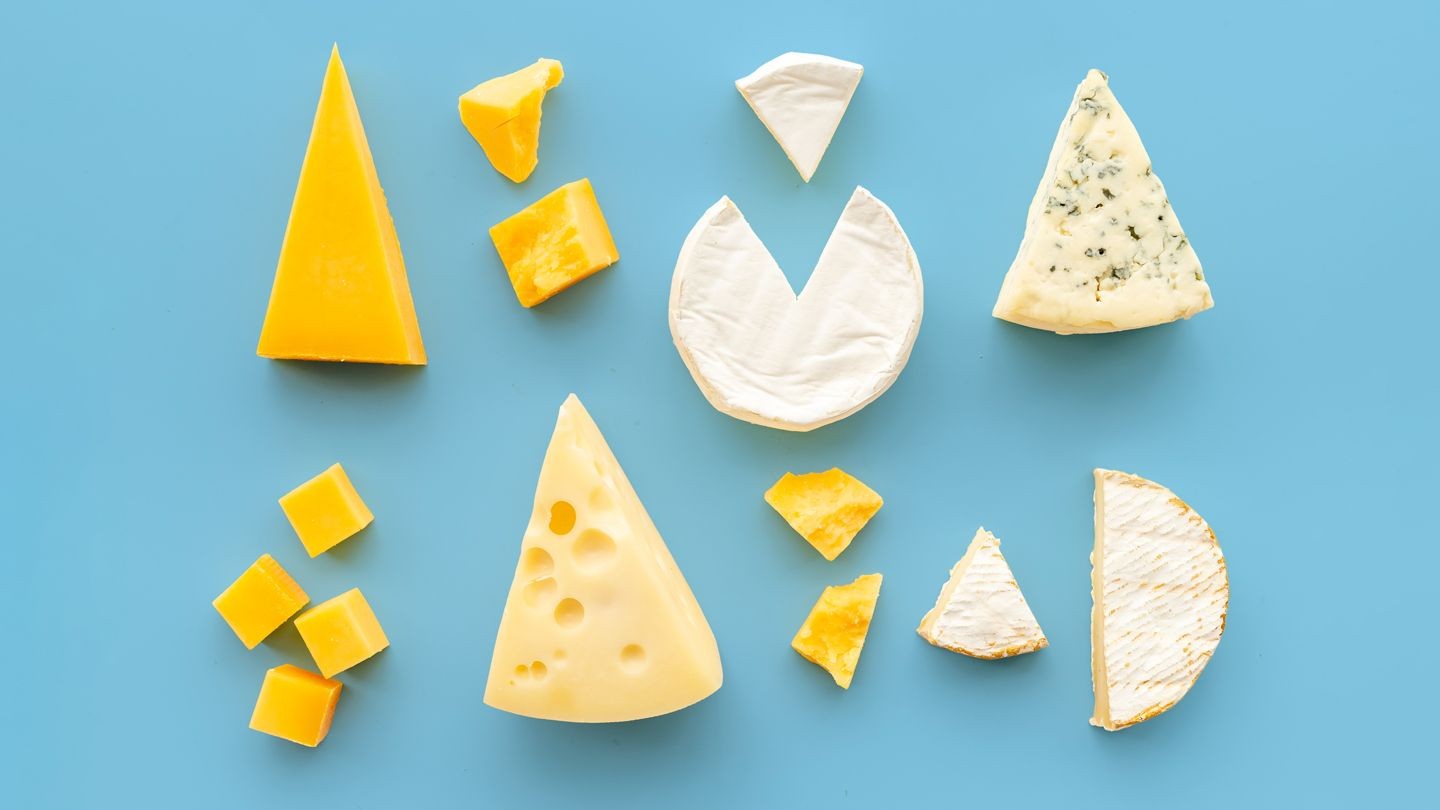
For decades, dietary guidelines have cautioned against high-fat dairy due to perceived links to heart disease. However, a large-scale study published in Neurology reveals a surprising connection: moderate consumption of high-fat cheese and cream may actually reduce the risk of dementia.
The Unexpected Link Between Fat and Brain Function
Researchers at Lund University in Sweden analyzed data from nearly 28,000 adults over 25 years, finding that those who regularly consumed high-fat cheese (over 20% fat) had a 13% lower risk of developing dementia compared to those who ate little or none. The benefit was especially pronounced for vascular dementia, a condition caused by reduced blood flow to the brain, with a 29% reduction in risk among high-fat cheese eaters.
The study also found that heavy whipping cream, when consumed daily (about 1.4 tablespoons), was linked to a 16% lower chance of developing dementia. This is the first study to examine cream in relation to dementia.
Why High-Fat Dairy May Be Different
The findings challenge conventional wisdom about saturated fat, which is often demonized as universally harmful. Auriel Willette, PhD, from Rutgers Health, notes that the body may process saturated fats differently depending on their source. Cheese and cream contain vitamins, protein, and minerals that may offset the usual risks associated with saturated fat – unlike processed meats like bacon.
This raises a key question: why do some saturated fats appear to be more harmful than others? The answer may lie in the complex ways our bodies metabolize fat from whole foods versus processed sources.
Study Caveats and Context
While the results are promising, researchers and other experts caution against drastic dietary changes. The study relied on self-reported dietary data, collected only at the beginning, meaning eating habits may have changed over the 25-year follow-up period. Participants were also exclusively from Sweden, raising questions about whether the findings apply to other populations.
Lifestyle factors like exercise and body weight could also play a role. Individuals who eat high-fat dairy may also tend to be healthier overall, making it difficult to isolate the effect of fat intake alone.
Conclusion
The study doesn’t advocate for unlimited high-fat dairy consumption. Instead, it suggests that these foods may not be as detrimental as previously believed – and could even offer some protection against dementia when eaten in moderation. Further research is needed to confirm these findings and understand the underlying mechanisms, but the results challenge long-held assumptions about saturated fat and its impact on brain health.


