




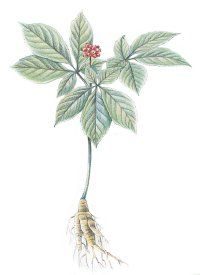
The global ginseng industry employs more than 50,000 people. That is a lot of labor for one plant. It does not cure any particular disease. Instead, this herb targets underlying weaknesses that precede the onset of various health problems. Some people often use it when tired. In times of stress, they rely on it. This treatment is also recommended for people who suffer from frequent colds and flu.
Ginseng has adaptogenic properties. This means that it helps protect the body from physical and mental stress. The goal is to restore the normal functioning of the body.
A history of scarcity and value
China’s passion for this herb goes back thousands of years. The Asian species, Panax ginseng is cultivated in this area. It is so valuable that it has become extinct in the wild due to overharvesting. Scarcity drives up prices. A mature root growing in the forest can be worth more than $1,000. A mature wild root? That can sell over $200,000.
When early American settlers discovered a similar species, American ginseng, they dug it up. They exported tons of it to China. Many settlers made a living by digging roots in the humid forests. The results are the same as in Asia. This plant has become rare in its natural habitat in the United States. Currently, ginseng is mainly grown in forests or under huge awnings.
Asian Ginseng vs. American Ginseng: What’s the Difference?
Many people believe that cultivated ginseng and wild ginseng have different properties. The Asian species is generally considered an excellent medicine. However, the uses of these two species are slightly different.
Asian ginseng (Panax ginseng ) has been described as a yang tonic. It is warming.
American Ginseng (Panax quinquefolius ) is described as a yin tonic. cooling.
Both species are qi tonics. These strengthen Qi, the vital life force important in Traditional Chinese Medicine (TCM).
Understanding Yin and Yang in Herbal Therapy
Chinese medicine is very profound. It observes the opposing forces circulating in all matter. Yin is the dark, moist inner pole. Yang is the bright, hot outer pole. Every human, plant and disease has these two sides.
Botanical therapies are fine-tuned based on these findings.
– If you feel weak or cold due to nervous fatigue, it is recommended to Panax ginseng might be recommended to warm and stimulates.
– If you are hot, stimulated, and restless and are feverish, irritable and restless, American Ginseng will help. Ideal for those suffering from insomnia caused by fever or stress.
American ginseng is also used in China to help people recuperate from fever. Relieves fatigue caused by the summer heat.
“Traditional Chinese medicine’s observations of these phenomena are very sophisticated. Therefore, all botanical therapies are fine-tuned accordingly.”
Why this difference matters to your health
You may wonder why it matters whether ginseng comes from Asia or America. The answer lies in the current state of your body. Feeling tired and cold? Or are you wired, hot and restless? The herbs you choose should match your symptom profile. Using tonics that warm the body when it is already overheated can make the situation worse. If you already feel cold, using cooling tonic may not help at all.
Don’t just buy the most expensive roots. It’s all about matching the adaptogen to the specific type of fatigue you’re experiencing. The industry is huge, but the applications vary from person to person.
*This information is for educational purposes only. This is not medical advice. Do not start a new treatment without talking to your doctor. Many botanical therapies have not been fully evaluated by scientific studies. Mixing prescription and over-the-counter medications can cause serious side effects. Data on safety and efficacy are generally limited. Always talk to your doctor before starting any complementary treatment. *
It is already known that the history of ginseng goes back centuries. Now you must be wondering why modern people are still bothered by this. The reasons are complex. There is chemistry involved. They involve physiology. There’s a lot of speculation involved, and the science is slowly unraveling.
The effects of ginseng on the body
Asian ginseng is the big player here. Western herbalists use it. It has been used by traditional Chinese practitioners for many years. The goal is usually the same. It gently strengthens the central nervous system. It’s not a hammer. It’s more like a steady, warm flame.
Think fatigue. physical fatigue. If your physical strength has weakened due to injury or long-term illness. Mental stress continues for a long time. According to the theory, ginseng helps strengthen the body’s response to these emissions. It is most popular among the elderly. Why? Because the benefits are growing. Better blood pressure control. Improves heart function. Lower cholesterol. Reduces mental clutter. Fewer headaches. It sounds like a magic bullet against aging, but the reality is even more nuanced.
Stress has a certain angle. Ginseng promotes relaxation under certain conditions. This will help to relieve anxiety. It is not a sedative in the pharmaceutical sense. It is an adaptogen. It helps your body manage stress instead of pushing you over the edge.
Athletes look at it differently. They are seeking stamina. They want endurance. Ginseng has been reported to play a role in these areas. You may be able to work harder for longer. Some people use it as a sexual enhancer. The idea is to maintain reproductive health and desire well into old age. Some hope it can help treat prostate problems and stress-related erectile dysfunction. Human and animal studies suggest that it may reduce the incidence of cancer. how? It seems to have an immune cell strengthening effect. The more immune cells you have, the stronger your defenses are.
The chemistry behind herbs
To explain ginseng, we need to talk about saponin. Especially ginsenosides and panaxosides. These are the most studied compounds by scientists. They do a lot of hard work.
They stimulate bone marrow production. They stimulate the immune system. These prevent tumor growth in laboratory conditions. They balance blood sugar. They stabilize blood pressure. They help detoxify the liver. It is a lot of actions for one plant.
This is the hard part. No single ingredient can be considered the “most active”. This is contradictory. You would expect one star ingredient. Instead, the activity is due to the sum of all the substances. Many individual ingredients can actually have the opposite effect. Certain areas can be irritating. Another might calm. Together they produce a tonic effect. This is not the same as taking one synthetic drug. It’s like listening to an orchestra. Music is created from the combination of instruments.
How to take How to Take Ginseng Safely
Due to its long history and popularity, there are countless ways to consume ginseng. After drying, you can make tea. Powdered in capsules. Candied. Tinctured. syrup. There is no single recommended dose. This varies from person to person. It varies from product to product.
Most herbalists recommend periods. Use it for several weeks. Then I take a week or two off. This model seems to work better. It also reduces the risk of overstimulation. Continuing to use it may cause negative effects in your body. Down time helps to reset this sensitivity.
Who should avoid it?
Ginseng is one of the best researched herbs. Unreported. Yet. Some people experience symptoms of insomnia and irritability after consuming large amounts. However, this is often due to counterfeiting. Some cheap ginseng products are contaminated with aconite. Aconite is poisonous. Ginseng itself is usually not a problem. The problem is impurities.
Pregnancy is another story. Ginseng is said to have hormonal effects. Avoid use during pregnancy. It’s that simple.
Blood pressure is complicated. Ginseng can worsen high blood pressure. Others are improved. You can’t predict what will happen to you. Consult a naturopath or herbalist trained in herbal medicine. Do not treat blood pressure problems yourself.
Side effects and types of herbal medicines
In Traditional Chinese Medicine (TCM), ginseng is classified as a “yang” tonic. Yang is heat. This is action. This is upward energy. Do not take if you already have too much yang Qi or too much heat.
What does this look like in real life?
- Heat or redness of the face.
- Postmenopausal women experience hot flashes.
- High blood pressure.
- Rapid heartbeat.
If you fit these descriptions, ginseng may make your symptoms worse. American ginseng is different. Cool by nature. Suitable for people with internal fever. However, American ginseng also has contraindications. Avoid if it’s cold. Avoid use if your skin is fair. Avoid use if your heart rate is slow.
The side effects of ginseng are ironic. They often mimic the symptoms they are supposed to treat.
- High blood pressure.
- Insomnia.
- Nervousness.
- Irritability.
Acne and diarrhea have also been reported. In rare cases, ginseng can cause menstrual irregularities or breast tenderness due to its hormonal effects. Good news? These side effects disappear as soon as you stop using the herb.
Is this right for you?
The herbal landscape is not black and white. It’s gray. It depends on your constitution. This varies depending on the type of ginseng. It depends on how your body reacts to saponins.
If you are considering using ginseng to treat a specific condition, seek professional advice. An herbalist or naturopathic doctor can determine if it is right for you. They will recommend a dosage that suits your biology. They will tell you which species to avoid.
You may be wondering if the hype is worth the price. The science is there. However, this is incomplete. Chemistry is tricky. Individual reactions vary greatly.
If you are looking for more extensive home therapy, there are other resources available as well. Vitamin levels are also important. Deficiencies can mimic many of the symptoms that ginseng claims to cure. Checking your nutritional status is often a wise first step before taking supplements. But if you’re already deep into herbal research, knowing these nuances can be the difference between a careful user and a casual experimenter. The line between efficacy and side effects is thinner than most labels suggest.
Who is Jennifer Brett?
Jennifer Brett has an important place in the world of natural medicine. She is the director of the Acupuncture Institute at the University of Bridgeport. She also teaches at the College of Naturopathic Medicine. Her work focuses on the use of phytotherapy and nutritional therapy in the treatment of various diseases. This expertise has led to his appearances on major television networks such as WABC TV and Good Morning America in New York. She often discusses about how herbs can support health.
Ginseng intake
Certain limits must be observed when brewing ginseng herbal tea. You should consume 2-8 grams of dried roots daily. This is the normal daily intake. This amount is not arbitrary. Compatible with other common herbal forms. For example, 2 to 8 grams of root is roughly equivalent to taking 4 to 6 capsules. This is equivalent to the daily use of 1 tablespoon of tincture. Keep these conversions in mind when switching forms.
Important safety warning
Herbal medicines are not harmless. Many of these techniques have yet to undergo rigorous scientific evaluation. This is true. Using natural remedies with prescription or over-the-counter medications can cause serious side effects. Complete information on their safety profile is often lacking. The effects also vary.
Licensing rules vary by state and sector. Some practitioners are required to obtain a license from a recognized national organization. Others might not be. If you decide to visit a practitioner, verify their credentials. Choose someone who follows to established standards.
Contact your doctor
Do not skip the most important step. Speak with your primary health care provider before starting a new treatment. This also applies to dietary changes and herbal interventions. The publication of this information does not constitute medical practice. It is not a substitute for medical advice. Neither the editors nor the publishers take responsibility for the consequences of actions taken from treatment based on this text. This is for informational purposes only. seek professional advice before starting treatment. Your body is unique. What works for one person may not work for you.