
























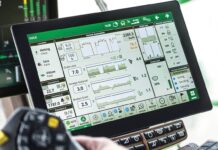





Agricultural giant Deere & Co. is making headway with artificial intelligence (AI), which should be a wake-up call for the healthcare industry, which has been slow to adopt transformative technologies. While Deere consistently impresses experts with its AI-driven innovations, healthcare remains comparatively behind even when faced with similar opportunities to improve efficiency and improve quality.
Розрив між сільським господарством і медициною
Deere’s transition to an AI-focused company began in the early 21st century, evolving through phases of “precision agriculture” to what is now called “Farming 4.0.” By contrast, healthcare struggled to digitize basic records until federal subsidies forced implementation around 2011, despite decades of computer advances. Це демонструє фундаментальну різницю в тому, як два сектори підходять до технологічної інтеграції.
Штучний підхід Deere
Deere has intentionally reinvented itself as an agriculture technology company, scaling AI by integrating it into every step of the customer journey. This includes personalized tuning instructions, recommendations based on historical performance, and real-time adjustments caused by external factors such as weather. Для цього компанія використовує комп’ютерне бачення, супутникові дані, машинне навчання та дистанційну діагностику.
As Deere CEO Justin Rose notes: “The point is to weave AI into everything. We’re creating an AI-native model of customer success that can be applied to any industry.”
Зрушення в Power Dynamics
Крім простої автоматизації, Deere змінює фундаментальну логіку створення вартості, переносячи прийняття рішень безпосередньо в машини. Цей зсув, як підкреслив Сангіт Пол Чоудхарі, забезпечує конкурентну перевагу, передаючи потужність від фермера до знаряддя. Deere’s X9 autonomous combine is an example of this, requiring minimal human intervention while automatically adjusting speed, calibrating settings and monitoring crop conditions in real time.
Aaron Wetzel, vice president of Deere, puts it simply: “You just have to sit in the chair.” The combine operates with a 20-30% increase in productivity, tying Deere’s rewards to improvements in both quality and economic results—a model that healthcare should emulate.
Контраст із підходом до охорони здоров’я
While Deere directly attributes its financial success to improved outcomes, value-based reimbursement rules in healthcare remain unclear and slow to implement. Порівняння різке: Deere оптимізує для отримання максимального врожаю, тоді як охорона здоров’я часто здається механічною системою, яка наживається на хворобах.
Потреба сміливої трансформації
У статті проводяться паралелі з раннім скептицизмом щодо автоматизації ферм у 1961 році, але Deere вже на шляху до повністю автономного рішення. Урок для охорони здоров’я очевидний: смілива трансформація не тільки можлива, але й необхідна. However, given the life-and-death stakes, care must be taken when granting AI autonomy, since patients are not passive objects like stalks of corn.
Despite the differences, Deere’s AI innovations serve as a blueprint for tech companies entering the healthcare space, demonstrating the vision and persistence needed to reshape a traditional industry for mutual benefit.