







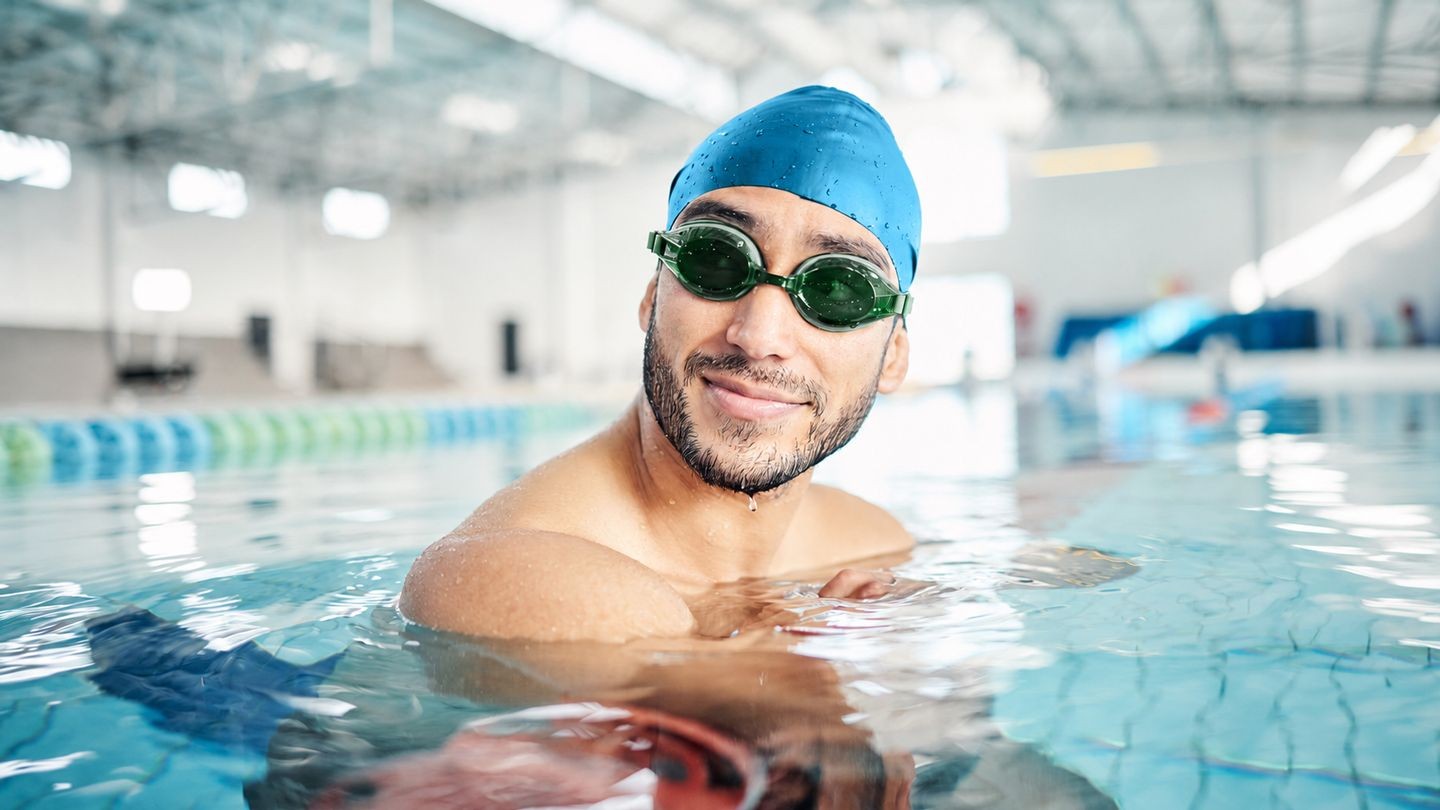
“Swimming is a commonly recommended exercise,” Deborah Wareham told researchers at Macquarie University. “But it had almost no evidence.”
That silence ends now.
For adults living with chronic low back pain, the new findings from the Spinal Pain Research Centre offer something tangible. Confidence.
Anyone considering swimming can finally choose it without second-guessing if the water is actually magic or just marketing.
The study combined movement with mind-work. And the results? They landed hard.
How the Study Changed the Conversation
Ninety percent of low back pain sufferers are told to rest. Then told to move. Then told to see a specialist. The cycle repeats.
This time, researchers recruited 76 adults. Ages 26 to 74. Pain lasting at least 12 weeks is the threshold for chronic.
Participants self-reported how their backs affected their lives. Disability levels. Pain scores. Fear of exercise.
They answered questionnaires five times over a year. That’s a lot of typing. But it matters.
Half the group got the standard care. One or two sessions with a physio. The lecture:
- Pain isn’t always harm.
- Your back is built for movement.
- Flare-ups happen.
- Moving is the best management.
The other half got eight weeks of personalized swimming. Plus four educational sessions.
Education wasn’t random placement. “Combining education and exercise benefits previous research,” Wareham notes.
It cuts fear. It explains the benefit. Then the water delivers the experience.
“Swimming helps them experience the benefits after education reduces their fears.”
The swimmers weren’t Olympic hopefuls. They could do 25 yards. They felt confident. That was the baseline.
The goal? Swim for 30 to 45 minutes. Three times a week.
Did It Actually Lower Pain?
Disability dropped by 50% in the swimming group.
Just eight weeks in.
Compared to the education-only crowd, swimmers scored 2.5 points lower on the disability scale. A 30% difference. Significant? Absolutely.
Pain intensity fell. Functional limitation shrank. Fear of movement decreased.
Here’s the catch: the gap between swimmers and the control group narrowed over time.
The trial lasted eight weeks. Follow-ups at 26 and 52 weeks showed continued improvement. But the extra benefit over the control group faded.
Still, staying pain-free beats staying stuck.
Why Water Beats Concrete for Your Spine
Why does the pool work?
Water reduces force on the spine. Nancy R. Kirsch, a rehabilitation researcher at Rutgers who wasn’t involved in the study, calls it buoyancy.
Buoyancy supports weight. Less compression. Less pain.
You can move on land and expect a toll. On water, the toll is waived.
Mark Slabaugh, an orthopedic surgeon in Baltimore, sees it differently. Core strength.
Swimming works the muscles that support the trunk. More stability. Better spine function. Lower body focus improves.
Freestyle helps. It keeps the back extended. That position decreases pressure on the spinal cord. And exiting nerves. Less pressure. Less pain.
Simple physics.
“Exercise reduces pain and disability in chronic lower back pain.”
But let’s be real. Movement itself lowers pain.
Kirsch points out that swimming feels safer. People with back pain fear impact. They fear jarring the system.
Swimming is low-impact. Non-weight-bearing.
Wareham heard it from participants. It made them feel like they could do more exercise than on land. The water removes the fear of failure.
The Catch: Who This Study Included
The follow-up rate was 95%. That’s impressive.
Regular feedback kept the data clean.
But the sample size was small. Mostly women.
Participants were physically active. Some had past swimming experience.
Does this mean the intervention works for the couch potato? The non-swimmer?
Maybe. Maybe not.
The data doesn’t say. It’s unclear if the results hold for those less fit.
Also, how much of the pain reduction came from the extra health coaching? We can’t separate it entirely.
Correlation isn’t causation. But in this case, the causation seems pretty direct.
How to Start Without Hating It
Doctors agree. Swimming is a solid option for chronic back pain.
But don’t jump in. Don’t sprint.
Wareham emphasizes tailoring. Progressive challenge.
Start slow. Within your comfortable range. Increase distance slowly. Intensity slowly.
Access is the biggest barrier. Slabaugh suggests a community fitness center. If you have one nearby. Use it.
The protocol is specific.
One lap. Rest. Repeat.
Increase laps as aerobic capacity improves. Two to three weeks in, aim for 20 to 30 continuous minutes.
Don’t worry about distance. Duration matters more.
Kirsch adds another layer. Pick a stroke that doesn’t aggravate symptoms. Freestyle might not be for you. Breaststroke? Backstroke? Find what fits.
Build up to 30–45 minutes. Three times a week over several weeks.
Expect soreness. Not severe pain.
If it hurts, stop. Adjust.
“Pick swimming activities you enjoy, so that you will continue.”
Enjoyment is the fuel. The pain is the brake.
The study didn’t solve chronic back pain. It just gave swimming an evidence-backed nod.
For now.
We’ll see what the next follow-up says. Or if people actually stick to the plan.


