







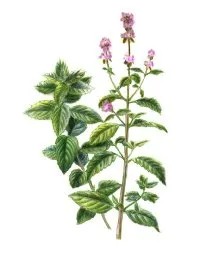
It’s easy to recognize peppermint. You’ve likely seen the purple-laced stems and bright green leaves in a garden or spotted the scent in a candy wrapper. There are over 30 species of mint out there, but this one stands out. Greek mythology says Persephone, angry and furious, turned the nymph Mentha into the herb. Born from rage, perhaps. But the plant itself tells a different story. It’s calming. It’s gentle. It’s a staple in the herbal medicine cabinet for a reason.
While myths speak of anger, peppermint speaks of relief. It’s not just a flavoring agent for sweets or a disinfectant for surfaces. It’s a functional herbal remedy, particularly for the gut. If you’ve ever suffered from indigestion, you’ve probably encountered it in some form.
Why Peppermint Works for Stomach Issues
When people think of natural remedies for an upset stomach, peppermint is often the first name that comes up. It’s in those “tummy teas” you find in every grocery store aisle. But what is it actually doing?
Peppermint acts as a carminative. That’s a fancy word for an agent that helps dispel gas and bloating in the digestive tract. It’s also an antispasmodic. It relaxes the smooth muscles of the stomach and intestines. This makes it effective for relieving cramps, nausea, and pain associated with irritable bowel syndrome (IBS) or general indigestion.
It’s also used for hyperacidity—too much stomach acid—and gastroenteritis, which we casually call the stomach flu. Interestingly, it’s considered safe for infants with colic, too.
How to Use Peppermint for Different Symptoms
You don’t always need a pill or a complex preparation. Sometimes, simple is better.
For digestive issues:
Peppermint tea is the go-to. But for babies with colic, the method changes slightly. If the infant will take it, a teaspoon of weak peppermint tea can help. If not, you can soak a cloth in warm peppermint tea and place it gently on the baby’s belly. The warmth combined with the herbal properties often soothes tummy cramps.
For muscle pain and inflammation:
Peppermint isn’t just for internal use. Topically, it offers a cooling, relaxing effect on the skin. Many muscle rubs and “ices” contain peppermint oil. The oil is absorbed fairly well through the skin, providing a temporary pain-relieving effect on cramped muscles and organs. It reduces pain, burning, and inflammation.
Like all essential oils, peppermint oil must be diluted before direct skin application. Never apply it neat.
For itching and headaches:
The cooling sensation helps allay itching temporarily. Rubbing a drop of diluted peppermint oil on insect bites, eczema, or poison ivy rashes can provide comfort. It’s also used for headaches. Rubbing it onto the temples or scalp offers a comforting, cooling therapy that can ease tension.
The Science Behind the Scent
The primary compound in peppermint is menthol. This volatile oil is responsible for the herb’s analgesic (pain-relieving), antiseptic, antispasmodic, decongestant, and cooling effects. Menthol helps subdue bacteria, fungi, and viruses.
However, don’t expect it to cure a serious infection. While it has antimicrobial properties, stronger herbal antimicrobials exist. Peppermint is rarely the first choice for treating serious infections. It’s more of a supportive, soothing agent.
Peppermint tea can also serve as a mouthwash for babies with thrush (a yeast infection in the mouth) or for pregnant women who want to avoid stronger medications. It’s a mild alternative.
This information is for educational purposes only. It is not intended to provide medical advice. Neither the authors, publishers, nor editors take responsibility for any consequences from using this information. Herbal remedies have not always been evaluated in rigorous scientific studies. They can interact with prescription medications. Always consult your physician or a licensed healthcare provider before starting any new treatment, especially if you are pregnant, nursing, or managing a chronic condition. Do not disregard professional medical advice because of something you read here.
How to Use Peppermint Preparations and Dosage
You will find peppermint everywhere. It is in the toothpaste on your sink. In the mouthwash. In breath mints. Even in chewing tobacco substitutes.
But if you want the medicinal benefits, preparation matters.
Tea is the gold standard for upset stomachs. Use fresh leaves or a commercial bag. The liquid touches the stomach lining directly. That contact helps with nausea. It also helps with bowel complaints. Pregnant women can use it for morning sickness. It is considered safe then.
Capsules work differently. Peppermint oil capsules reduce cramping. This is useful before procedures like a sigmoidoscopy. A doctor inserts a scope into the rectum. They look for ulcers or polyps. The procedure is uncomfortable. Coated peppermint oil capsules relax the intestines. This makes the exam easier on the patient.
Who Should Avoid Peppermint
It is not safe for everyone.
If you have a hiatal hernia. Or GERD. Peppermint can make it worse.
It relaxes the esophageal sphincter. This is the ring of muscle at the bottom of the throat. It opens to let food in. It closes to keep acid down. When peppermint relaxes this ring. Stomach acid flows back up. This causes inflammation. Chronic reflux can lead to ulcers. Or perforation of the esophagus. That is serious.
People with gallbladder issues should be careful. Some believe peppermint helps bile flow. They think it dissolves stones when mixed with bile acid therapy. Others worry it causes obstruction. Advanced liver disease is another reason to pause.
Nursing mothers. Use moderation. Peppermint may decrease milk production.
Keep pure essential oil away from eyes. And open wounds.
Allergies and Side Effects
Most people are fine. But some are allergic.
Reactions include headaches. Stomach upset. Skin rashes.
The antispasmodic effect is strong. It is why it works for cramps. It is also why it causes reflux in some people. If you get frequent heartburn. Avoid large doses. Do not ingest pure essential oil.
Practical Applications
How do you actually take it?
Tea: Drink three or more cups. This helps with irritable bowel syndrome. Stomach cramps. Nausea.
Essential Oil: Dilute it first. Rub one to ten drops on the skin. Use it on the affected area.
For congestion. Place two to three drops in a bowl of hot water. Inhale the steam.
There are more links to herbal remedies. And home remedies. And vitamins. Check those if you need more info.
Dr. Jennifer Brett writes this. She is a naturopathic doctor. She teaches at the University of Bridgeport. She has been on TV. She knows herbs.
But read the disclaimer. This is not medical advice.
Herbal remedies are not always studied. They can react with prescription meds. Badly. Check with your doctor. Before you start.
Licensed practitioners are better. But always talk to your primary care provider first.
Peppermint soothes the stomach. It soothes the skin. But it is powerful. Respect that power.


