



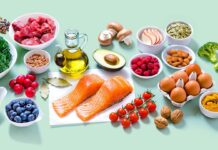


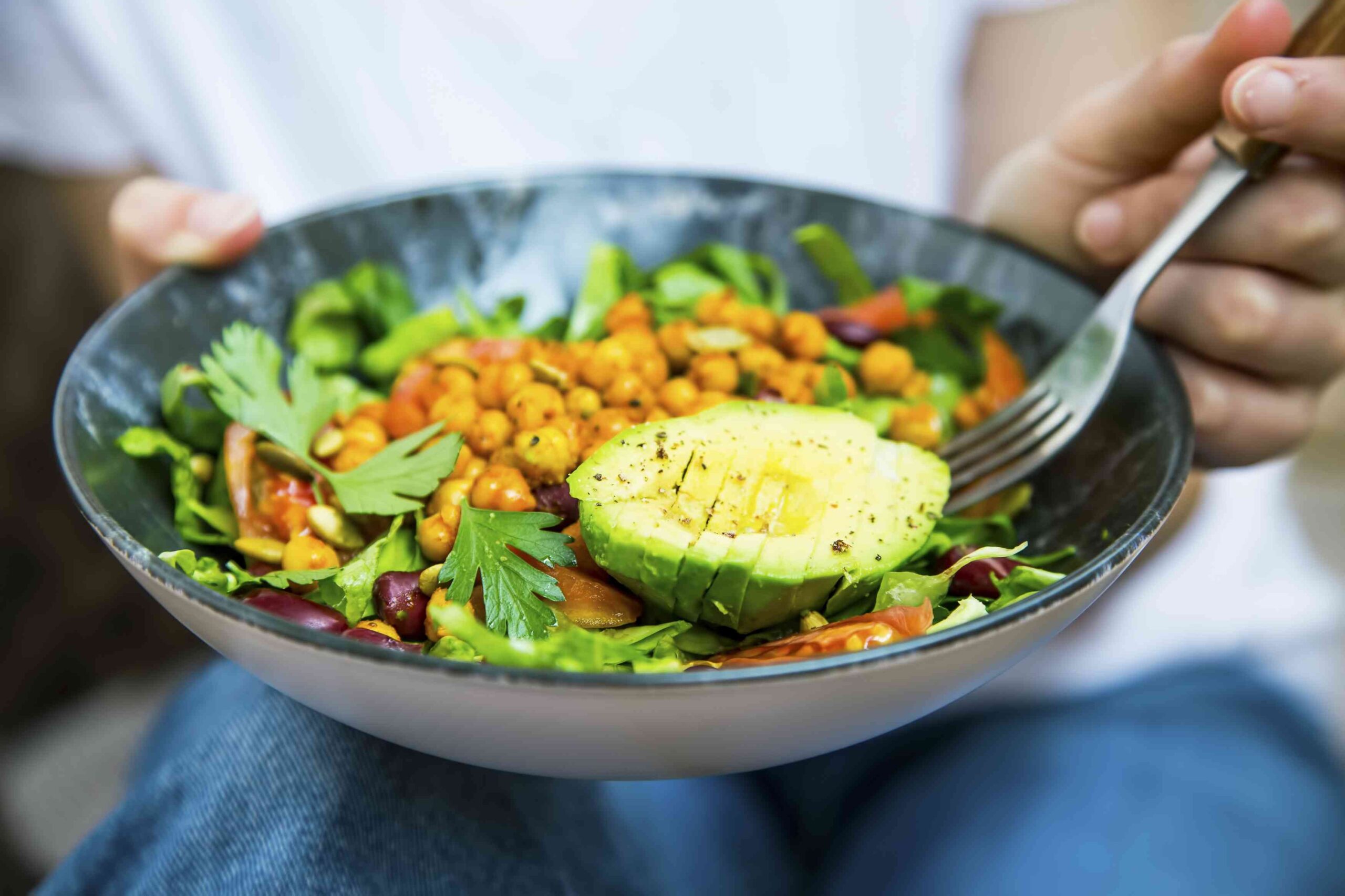
The alkaline diet centers around eating foods that support the body’s natural pH balance. While the idea of “alkalizing” the body is often simplified, understanding how food impacts acidity and alkalinity can offer health benefits. This isn’t about radically changing your blood pH (which your body regulates tightly), but rather about reducing the acid load on your kidneys and promoting nutrient-rich eating.
Why Does Acid-Base Balance Matter?
The human body constantly works to maintain a slightly alkaline blood pH around 7.4. The standard Western diet, high in processed foods and animal protein, can create an acidic environment. Over time, this constant acidic load forces the body to pull minerals (like calcium) from bones to neutralize acidity, potentially leading to long-term health issues.
The pH scale runs from 0 (highly acidic) to 14 (highly alkaline). While your body maintains a strict pH range, the foods you eat influence how hard your system has to work to keep things balanced. Foods high in “dietary acid load” (DAL) strain the kidneys; most plant-based foods contribute to a more neutral environment.
11 Alkaline-Promoting Foods to Include:
Here’s a breakdown of foods that naturally support a healthier acid-base balance, along with key benefits:
- Blueberries: Packed with anthocyanins—powerful antioxidants—blueberries reduce inflammation and lower the risk of chronic diseases like heart disease and type 2 diabetes.
- Lentils: A plant-based protein powerhouse, lentils provide more protein per cup than eggs, alongside alkalizing minerals like magnesium and potassium.
- Broccoli: As a cruciferous vegetable, broccoli helps maintain alkalinity while delivering essential vitamins and fiber.
- Chickpeas: Similar to lentils, chickpeas are a great alternative to acidic animal proteins, rich in magnesium and potassium.
- Avocados: These provide healthy fats, fiber, and alkalizing magnesium, alongside vitamins E and C.
- Blackberries: Like blueberries, blackberries are loaded with antioxidants, supporting overall health and acid-base regulation.
- Arugula: Another alkalizing cruciferous vegetable, arugula offers vitamins A, C, and K, along with protective plant compounds.
- Apples: Linked to lower risks of type 2 diabetes and heart disease, apples contribute to a more alkaline environment.
- Kale: A staple in low-DAL diets like the Mediterranean and DASH plans, kale delivers calcium and supports alkalinity.
- Dark Chocolate: Rich in alkalizing minerals like magnesium and health-promoting flavonoids, dark chocolate (in moderation) can be a smart choice.
- Carrots: Low in acid and high in carotenoid antioxidants, carrots support cell health and may reduce the risk of age-related vision loss.
Foods to Limit:
While an alkaline diet isn’t about strict restriction, certain foods create a high acid load:
- Red Meat
- Processed Meats
- Soda
- Fast Food
- Refined Baked Goods
- Cheese
Benefits and Considerations
Studies show that low-DAL eating patterns are linked to increased nutrient intake, improved fiber consumption, and a better potassium-to-sodium ratio—all essential for hydration and acid-base regulation. This dietary approach may also protect against depression, heart disease, and kidney problems.
However, it’s crucial to avoid extremes. Completely cutting out dairy or seafood, which aren’t alkaline but provide vital nutrients like calcium, vitamin D, and protein, would be counterproductive. The goal is balance—prioritizing alkalizing foods while still ensuring a well-rounded diet.
Ultimately, the alkaline diet isn’t a magical cure-all, but a framework for making informed food choices that support long-term health.


