







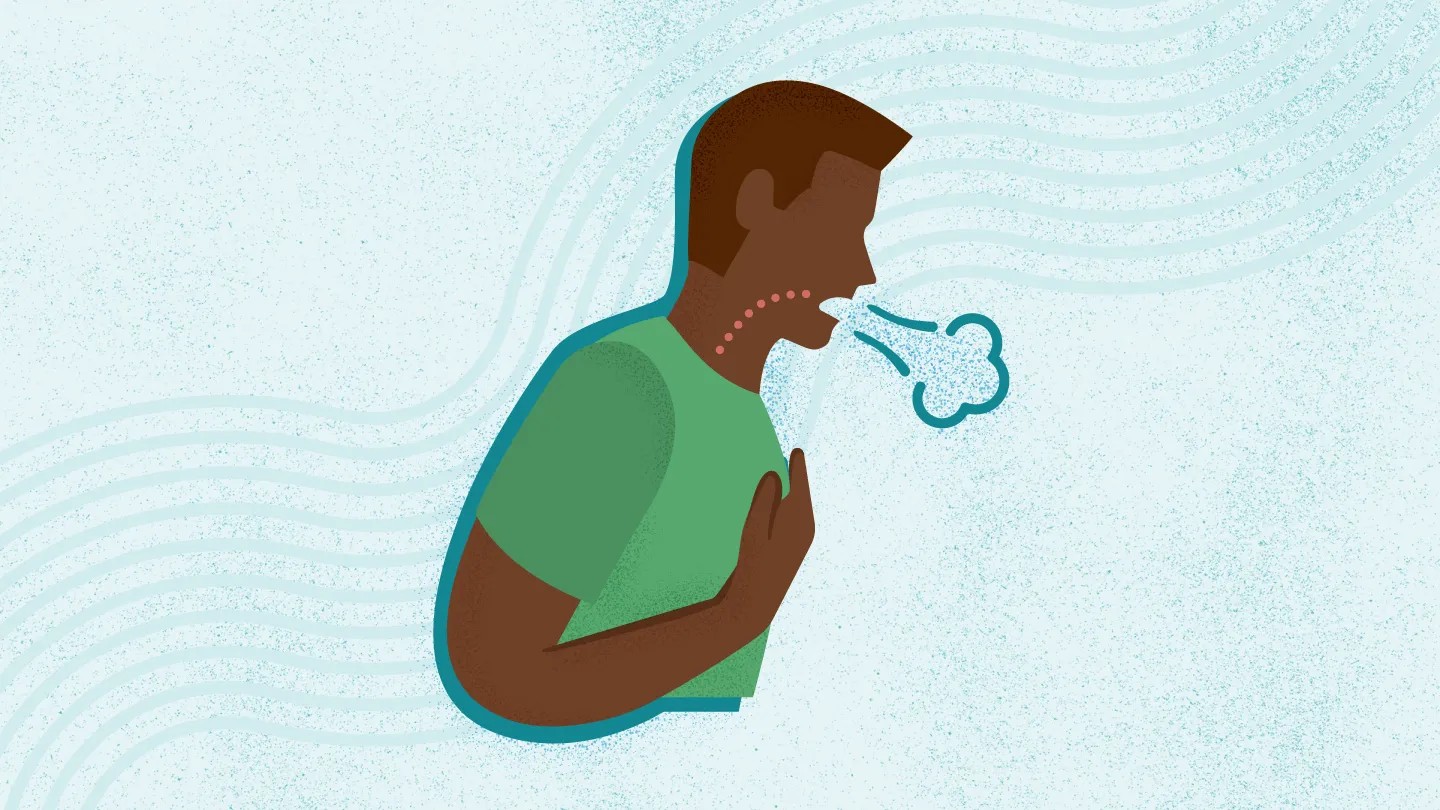
A cough is a natural reflex designed to clear your airways of irritants like dust, mucus, or foreign particles. While often harmless, persistent or severe coughing can signal underlying medical issues. This guide breaks down the different types of coughs, their causes, how to treat them, and when it’s time to see a doctor.
What is a Cough?
Coughing is the body’s rapid expulsion of air from the lungs, driven by a forceful contraction of respiratory muscles. It can be voluntary (a deliberate throat clear) or involuntary (a hacking fit). The speed of a cough can reach up to 100 miles per hour, providing significant force to dislodge irritants.
Occasional coughing is normal. However, prolonged coughing—lasting weeks or producing unusual symptoms—warrants medical attention.
Types of Coughs: Acute vs. Chronic
Coughs are categorized by duration:
- Acute Coughs: Sudden onset, lasting less than three weeks. These often accompany common illnesses like colds or the flu.
- Chronic Coughs: Persist for more than eight weeks (or four weeks in children). These can disrupt sleep, cause fatigue, and may indicate a more serious condition.
Symptoms That Accompany a Cough
Beyond the cough itself, watch for these additional signs:
- Runny or stuffy nose
- Postnasal drip (mucus draining down the throat)
- Sore throat
- Hoarseness
- Wheezing or shortness of breath
- Heartburn or a bitter taste in the mouth
- Rarely, coughing up blood
What Causes Coughs?
The cause depends on whether the cough is acute or chronic:
Acute Coughs:
- Common cold or influenza
- Pneumonia
- Acute bronchitis
- Inhaling irritants (dust, chemicals)
Chronic Coughs:
- Allergies
- Asthma
- Gastroesophageal reflux disease (GERD)
- Postnasal drip
- Chronic bronchitis or COPD
- Smoking
Diagnosis and What to Expect
A doctor will evaluate your medical history, perform a physical exam, and may order tests such as:
- Chest X-ray: To rule out pneumonia or lung disease.
- Lung Function Test: To assess breathing capacity.
- Detailed Questions: Your doctor will inquire about tobacco use, occupation, cough duration, breathing difficulties, and any accompanying symptoms like weight loss or blood in sputum.
Prognosis and Treatment Options
For acute coughs in healthy adults, symptoms usually resolve on their own without treatment. However, severe cases or those in immunocompromised individuals may require medication. Chronic coughs require identifying the root cause for effective treatment.
Medication options include:
- Over-the-counter syrups and suppressants: May provide temporary relief, but studies show their effectiveness is often no better than a placebo.
- Antibiotics/Antivirals: Prescribed if the cough is caused by an infection.
- Proton pump inhibitors (PPIs): For GERD-related coughs.
Prevention and Home Remedies
Preventing coughs involves avoiding triggers:
- Wash hands frequently: Soap and water for at least 20 seconds.
- Avoid sick contacts: Minimize exposure to people with colds or the flu.
- Stay hydrated: Drink plenty of fluids to thin mucus.
- Use a humidifier: Adds moisture to the air, soothing irritated airways.
- Avoid smoke: Tobacco smoke exacerbates coughs.
When to See a Doctor Immediately
Consult a healthcare provider if your cough:
- Lasts longer than a few weeks.
- Produces discolored or bloody mucus.
- Is accompanied by shortness of breath, chest pain, or fever.
- Interferes with sleep or daily activities.
A cough is a common symptom with many potential causes. Understanding the type, duration, and accompanying symptoms is crucial for appropriate management. While most coughs resolve on their own, persistent or severe cases require medical evaluation to rule out underlying health issues.


