
















Споживання вершкового масла в Сполучених Штатах неухильно зростає з 2010 року, але з такою кількістю пропонованих варіантів може бути важко відрізнити різницю між трав’яним і звичайним маслом. Хоча обидва продукти виконують однакову кулінарну функцію, вони відрізняються за походженням, смаком і харчовою цінністю. Ось детальний огляд, який допоможе вам зробити усвідомлений вибір.
У чому головна відмінність?
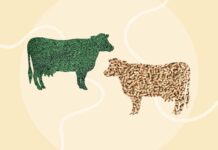
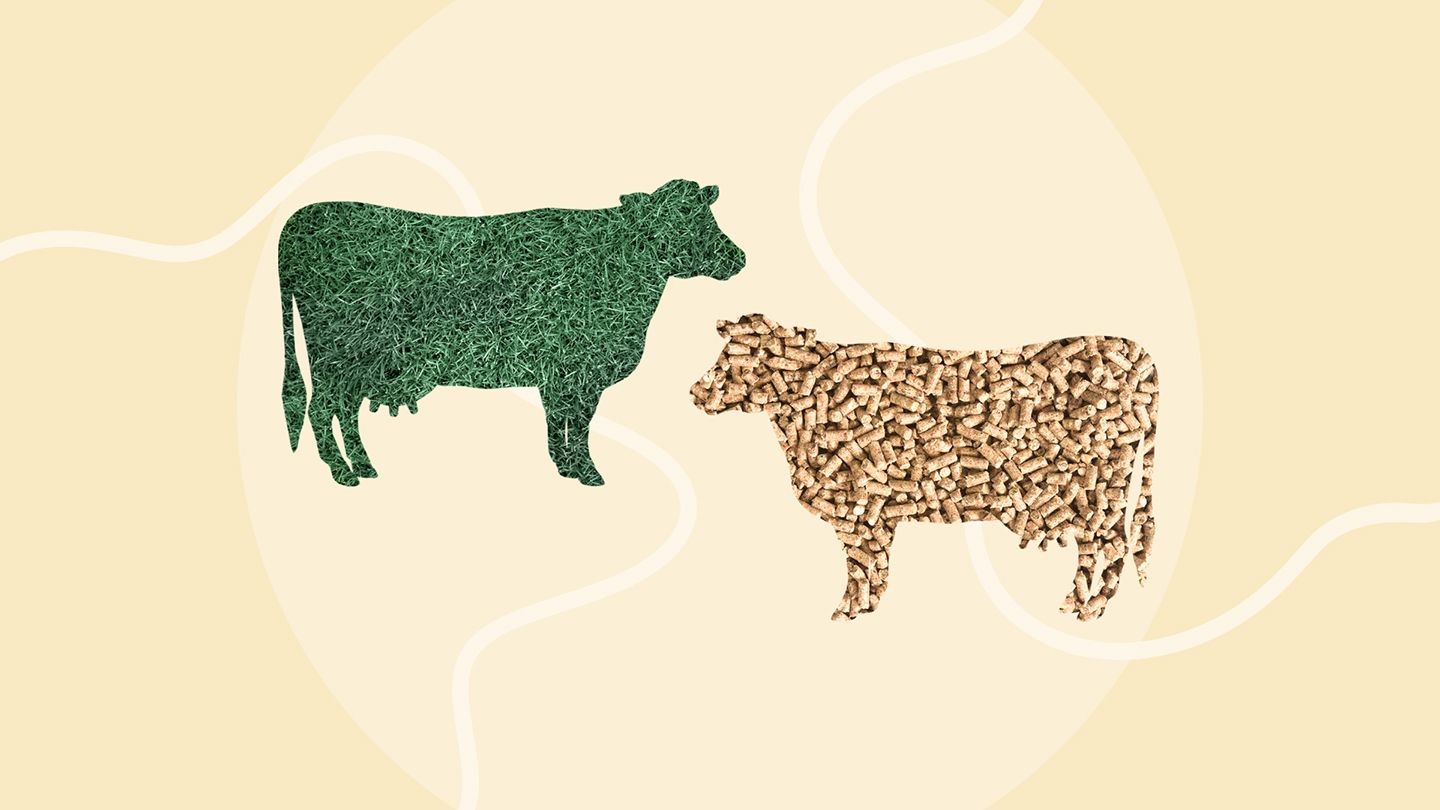
Основна відмінність полягає в раціоні корів: масло, яке годують травою, отримують від тварин, яких переважно годують травою, тоді як звичайне масло виготовляють із корів, яких годують зерном. Ця дієтична різниця впливає на кінцевий продукт кількома ключовими способами.
Зовнішній вигляд і смак
Дослідження показують, що масло від корів, які годували травою, має більш насичений і інтенсивний маслянистий смак, ніж звичайне масло. Колір теж інший: масло від корів, які годували травою, часто має більш яскравий жовтий відтінок через високий вміст каротиноїдів, сполук, пов’язаних з антиоксидантними властивостями. Він, як правило, м’якший за текстурою, що полегшує розподіл.
Харчова цінність: що говорять дослідження?
Вершкове масло від корів, які годували травою, містить більше омега-3 жирних кислот і ненасичених жирів порівняно зі звичайним маслом, яке зазвичай має більший рівень насичених жирів. Він також містить більше кон’югованої лінолевої кислоти (CLA), жирної кислоти, яка може мати користь для здоров’я серця, хоча потрібні більш переконливі докази.
Однак переваги CLA часто перебільшують. Щоб побачити помітний ефект, вам потрібно споживати від 3000 до 6000 міліграмів щодня — це набагато більше, ніж 300 мг, які містяться в одній столовій ложці олії.
Рекомендації щодо здоров’я серця та дієти
Незалежно від типу, поміркованість є ключовою. Як трав’яне, так і звичайне вершкове масло містять насичені жири, які можуть підвищити рівень холестерину ЛПНЩ і збільшити ризик серцевих захворювань. Американська кардіологічна асоціація рекомендує обмежити споживання насичених жирів до 6% добової калорійності (приблизно 13 грамів для 2000-калорійної дієти). Дієтичні рекомендації для американців пропонують обмежити споживання до 10% (близько 22 грамів).
За межами масла: альтернативи та міркування
Деякі стверджують, що масло від корів, яких годують травою, сприяє ситості або зниженню ваги, але наукові докази цього слабкі. Масло не містить основних поживних речовин, таких як білок і клітковина, що робить його неповноцінним джерелом їжі. Якщо у вас серцево-судинні захворювання, особливо важливо обмежити споживання масла.
Для здоровішої альтернативи подумайте про помірне використання оливкової олії, олії авокадо або овочевих спредів.
Висновок
Вершкове масло від корів, які годували травою, має невеликі поживні та смакові переваги перед звичайним маслом, але жоден продукт не слід споживати в надлишку. Пріоритетом завжди має бути збалансоване харчування та обмеження споживання насичених жирів – це найважливіший крок до підтримки здоров’я серця та загального благополуччя.