















Дієта без лектинів набула популярності, багато в чому завдяки твердженням, що ці рослинні білки викликають запалення, проблеми з кишечником і збільшення ваги. Однак наукові докази на підтримку цих тверджень залишаються обмеженими, і багато експертів з питань харчування стверджують, що уникати продуктів, багатих на лектин, непотрібно і навіть може бути шкідливо.
Що таке лектини?
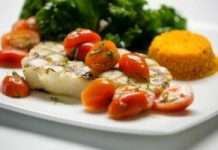
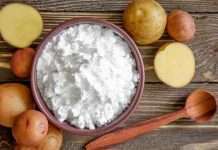
Лектини — це природні білки, які містяться в широкому спектрі харчових продуктів, включаючи бобові, насіння, горіхи, пасльонові овочі (помідори, перець, баклажани) і навіть деякі зерна. Доктор Стівен Гандрі, кардіохірург і прихильник дієти без лектинів, каже, що ці білки заважають клітинному зв’язку та посилюють запалення.
Суть безлектинового підходу
Підхід Гандрі, описаний у його книзі «Парадокс рослин», передбачає виключення з раціону продуктів з високим вмістом лектинів. Це включає багато основних продуктів здорового харчування: бобові, пасльонові, деякі молочні продукти та зернові. Привабливість дієти полягає в тому, що вона обіцяє зменшити здуття живота, збільшити енергію, покращити настрій і втрату ваги.
Однак наукова спільнота залишається скептичною. Існує мало досліджень на людях щодо довгострокових наслідків відмови від лектинів, і багато експертів вважають, що переваги перебільшені.
Чому лектини не обов’язково є ворогом
Хоча лектини можуть перешкоджати засвоєнню поживних речовин, ризик часто є мінімальним, особливо якщо їжа готується. Сирі продукти, багаті лектином, небезпечні, але більшість людей не їдять їх сирими.
Крім того, багато продуктів, які містять лектини, також багаті пребіотиками, клітковиною, яка підтримує здоров’я кишечника. Виключення цих продуктів може призвести до проблем з травленням і дефіциту харчування.
Можливі ризики обмежень
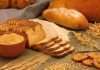
Виключення цілих груп продуктів може призвести до незбалансованого харчування, що ускладнить отримання основних поживних речовин, таких як білок, клітковина, здорові жири, мінерали та вітаміни групи В. Американська кардіологічна асоціація рекомендує цільнозернові продукти як частину здорової для серця дієти, наголошуючи на їхніх профілактичних властивостях.
Крім того, обмежувальні дієти можуть спровокувати розлади харчової поведінки або створити непотрібну тривогу щодо вибору їжі. Здорове ставлення до їжі має важливе значення для загального добробуту.
Резюме
Замість того, щоб демонізувати лектини, доцільніше зосередитися на збалансованому харчуванні, багатому цільними продуктами. Переваги вживання продуктів, що містять лектини, таких як бобові, помідори та цільні зерна, часто переважують потенційні недоліки.
Усунення лектинів є непотрібним ускладненням для більшості людей. Якщо у вас проблеми з шлунково-кишковим трактом, відмова від лектинів може полегшити симптоми, але немає необхідності виключати поживні продукти, якщо це не рекомендовано вашим лікарем.