





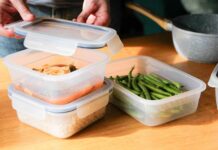


Leftovers are a convenient way to enjoy meals later, but improper storage can lead to foodborne illness. Properly handled, leftovers remain safe for consumption for 3–5 days in the refrigerator. However, leaving perishable foods at room temperature for over 1–2 hours significantly increases the risk of bacterial growth, making them unsafe to eat. This guide outlines how to maximize freshness while prioritizing food safety.
The Danger Zone: Why Time and Temperature Matter
Bacteria thrive in the “danger zone” — temperatures between 40°F (4°C) and 140°F (60°C). Within this range, bacteria can double in number every 20 minutes, quickly spoiling food. Unrefrigerated leftovers spoil within two hours, and even faster in warmer conditions (over 90°F / 32°C), where spoilage can occur in just one hour. This rapid growth highlights the importance of prompt and proper storage.
Nine Steps for Extending Leftover Freshness
To keep leftovers safe and flavorful, follow these guidelines:
- Refrigerate or Freeze Immediately: Store leftovers in the refrigerator or freezer within 1–2 hours of cooking or removal from heat. Discard food left out longer, especially in warm temperatures.
- Seal Properly: Use airtight containers or wraps to prevent bacterial contamination and odor absorption.
- Divide into Portions: Store leftovers in shallow containers to ensure rapid cooling. Large portions take longer to cool, creating a breeding ground for bacteria.
- Monitor Fridge Temperature: Verify your refrigerator maintains 40°F (4°C) or below, and your freezer stays at 0°F (-17°C) or lower.
- Utilize Food Storage Apps: Tools like the USDA’s FoodKeeper app provide tailored storage recommendations for different foods.
- Maintain Heat for Hot Foods: If holding hot food for over two hours, keep it at a safe temperature using warming trays or chafing dishes.
- Keep Cold Foods Cold: Store cold perishable items on ice if left out for more than two hours.
- Prevent Cross-Contamination: Regularly clean your refrigerator and store leftovers away from raw meat to avoid pathogen spread.
- Reheat Thoroughly: Ensure leftovers reach an internal temperature of 165°F (74°C) when reheating.
Freezing vs. Refrigerating: Long-Term Storage
While refrigeration extends the life of leftovers to 3–5 days, freezing can preserve them for 3–4 months. Though frozen food remains technically safe indefinitely, quality degrades over time due to moisture loss and flavor changes. Certain foods, such as those with mayonnaise or cream sauces, do not freeze well. Always thaw frozen leftovers in the refrigerator, cold water, or microwave, and consume them within 3–4 days.
Identifying Spoiled Leftovers
Trust your senses. Spoiled leftovers often exhibit:
- Darkening or fading color
- Sticky, slimy, or otherwise altered texture
- Visible mold (green, white, or black)
- Foul odor or taste
Eating spoiled leftovers can lead to food poisoning, with symptoms like diarrhea, vomiting, fever, and abdominal pain appearing 6–24 hours after consumption. Common culprits include Staphylococcus aureus, Salmonella, E. coli, and Clostridium perfringens.
In conclusion, proper leftover storage is essential for preventing foodborne illness. By following these guidelines — rapid refrigeration, airtight sealing, temperature monitoring, and attention to spoilage signs — you can enjoy leftovers safely and confidently. Ignoring these steps can lead to illness, so prioritizing food safety is non-negotiable.


