


Jonas Salk didn’t just invent a shot. He built a wall against one of the most feared diseases of the 20th century. The result was the inactivated poliovirus vaccine, better known as the Salk vaccine. It arrived when polio wasn’t just a threat. It was a nightmare.
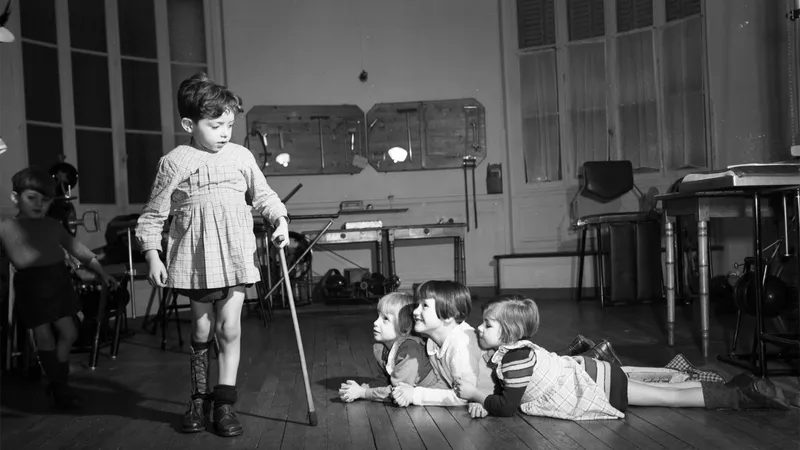
The disease attacks the nervous system. It can leave you paralyzed. Or worse. By the early 1950s, parents watched in horror as summer outbreaks swept through communities. Kids were hospitalized in iron lungs. Lives were upended overnight.
Salk’s approach was different from what others were trying. He used a killed virus. Not a weakened one. He grew the poliovirus in culture, then rendered it harmless with formaldehyde. The logic was simple, yet radical for the time. Inject the dead virus. Let the immune system learn to fight it without getting sick.
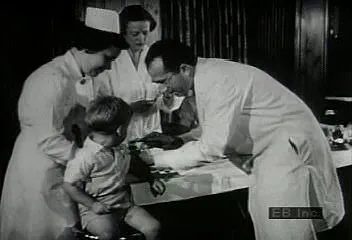
The test was massive. In February 1954, the field trials began. Over a million American schoolchildren volunteered. It was one of the largest medical experiments in history. The results followed.
Between 1952 and 1955, cases in the United States dropped dramatically. The incidence rate fell from 18 cases per 100,000 people to fewer than 2 per 100,000. The curve broke. The fear began to recede.
This wasn’t magic. It was science. And it worked.
Why the Salk Method Mattered
The choice to use an inactivated virus had consequences. IPV is given by injection. That’s a key detail. It triggers a strong immune response in the blood. But it doesn’t always stop the virus from replicating in the gut as effectively as live vaccines.
Still, for public health, it was a triumph. The sheer scale of the drop in cases proved the concept. If you can kill the virus in a lab, and the body builds antibodies, you stop the spread.
The timeline matters. Development started in earnest after the 1952 epidemic. Salk’s team worked through the mid-50s. By 1955, the vaccine was licensed. Mass production followed.
It wasn’t perfect. Some debates lingered about the best way to deliver immunity. Oral vaccines, using live attenuated virus, would come later. But the Salk vaccine paved the way. It showed the world that polio was preventable.
Before 1954, the word “polio” triggered panic. After, it became a manageable threat. The drop from 18 to less than 2 per 100,000 wasn’t just a statistic. It was thousands of kids who didn’t end up in braces. Thousands of families who didn’t lose a child to paralysis.
The story doesn’t end there. New vaccines emerged. Strategies shifted. But the foundation was laid by Salk’s injection.
We still deal with viral threats today. The lesson remains. Identification. Isolation. Prevention. The tools change. The principle doesn’t.
What happens when we forget how to make the tools? That’s a question for another time. For now, the history is clear. One shot. One idea. A disease brought
How the Sabin Vaccine Changed Everything
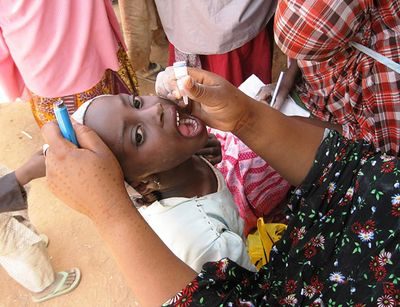
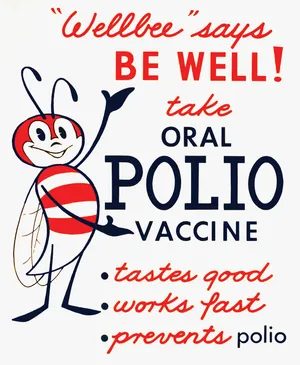
The landscape of polio prevention shifted dramatically in the 1960s. Enter the oral poliovirus vaccine, or OPV. Often called the Sabin vaccine, it honored American microbiologist Albert Sabin, who developed the formula. Unlike its predecessor, this version used a live, weakened virus. You didn’t get an injection. You swallowed it.
But Sabin didn’t work in a vacuum. He stood on the shoulders of Hilary Koprowski, a Polish-born virologist who tested a live oral vaccine as early as the 1950s. Koprowski’s boldness drew heavy criticism. Critics argued that testing on human subjects risked paralysis and other neurological damage. They were right to be cautious. Yet his work cleared the path for Sabin. It proved the concept was viable, even if the execution needed refinement.
The Push for Eradication and the Cost of Success
By 1988, the global strategy crystallized. The World Health Assembly launched the Global Polio Eradication Initiative (GPEI). The goal was absolute: wipe polio off the planet. OPV became the weapon of choice. Why? It was cheap, easy to administer, and effective at stopping transmission in low-resource settings. Mass campaigns rolled out across continents. Cases plummeted.
But the virus has tricks. As wild polio cases vanished, a new problem emerged: vaccine-derived poliovirus (VDPV). Because OPV contains a live virus, it can occasionally mutate. In rare instances, the weakened strain regains enough strength to cause paralysis. This is known as vaccine-associated paralytic poliomyelitis (VAPP).
So, how do you solve a problem created by your own solution? High-income countries made a pivot. They switched back to the inactivated poliovirus vaccine (IPV). IPV uses a killed virus. There is zero risk of VDPV or VAPP. It’s safer for the individual, though harder to distribute in mass settings. Now, researchers are working on making IPV affordable for low-income nations. It’s a race to balance safety with accessibility.
Understanding the Threat: Poliovirus Serotypes
To truly grasp why eradication is so complex, you have to look at the virus itself. Poliovirus isn’t just one thing. It comes in three distinct strains, or serotypes.
- Type 1: The most common cause of outbreaks in the modern era. It’s the toughest to eliminate.
- Type 2: This strain was declared eradicated in 2015. However, remnants from the vaccine can still circulate under certain conditions.
- Type 3: Declared eradicated in 2019.
The distinction matters. Because the vaccine targets all three types, a breakthrough in one doesn’t mean the war is over. When wild viruses disappear, the focus shifts entirely to managing the vaccine strains. This is where the science gets messy. The line between protection and risk blurs. We’ve contained the wild virus, but the shadow of the vaccine remains.
Understanding Polio Vaccine Strains and Dosing
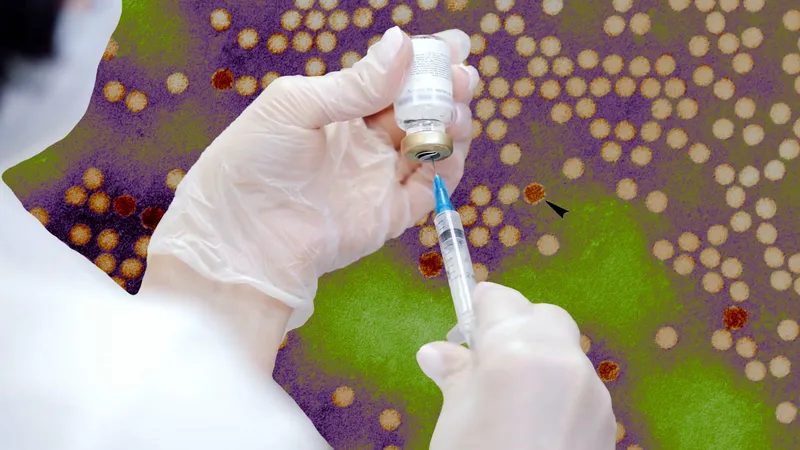
The composition of polio vaccines varies depending on whether they are live or inactivated. Both types can include all three poliovirus serotypes—PV1, PV2, and PV3—or just one or two. Serotypes are closely related but distinct forms of the virus. For instance, trivalent oral polio vaccine (tOPV) includes live attenuated virus for all three serotypes, providing broad protection. In contrast, monovalent OPV1 (mOPV1) targets only PV1.
Generally, three doses are required for both inactivated polio vaccine (IPV) and oral polio vaccine (OPV). A fourth dose, or booster, is typically administered when a child starts school.
The Shift to Bivalent Vaccines
PV2 stopped circulating in the 1990s in endemic countries. This change led to the development of bivalent oral polio vaccine (bOPV), which targets only PV1 and PV3. In the early 2000s, this vaccine proved more effective than mOPV or tOPV in reducing cases in polio-endemic regions.
Today, trivalent IPV is often preferred in areas with high vaccination rates. It protects against paralysis without the risk of vaccine-associated paralytic polio (VAPP) or vaccine-derived poliovirus (VDPV). However, OPV may still be used strategically to improve herd immunity in areas with ongoing transmission.
Key Takeaways
- Serotype Coverage: tOPV covers all three serotypes, while mOPV1 targets only PV1.
- Dosing Schedule: Three initial doses plus a school-age booster.
- BOPV Effectiveness: More effective than previous vaccines in reducing cases in endemic countries.
- IPV Preference: Preferred in high-vaccination areas due to safety profile (no VAPP/VDPV risk).
For detailed information on polio treatment and immunization, see polio.