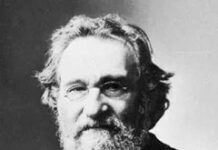




William Shippen, Jr. changed how medicine was taught in the United States. He did not just lecture. He used dissected human bodies. This was rare for the time. It was also dangerous for his safety.
Born in Philadelphia on October 21, 1736, Shippen became the first systematic teacher of anatomy, surgery, and obstetrics in the country. He brought European standards to American education. But his methods sparked rage.
Medical Education and Early Life
Shippen graduated from the College of New Jersey in 1754. He then traveled to London. Later, he earned his M.D. from the University of Edinburgh in 1761. This foreign training made him an outlier. He was one of the few physicians in Philadelphia educated abroad.
This qualification allowed him to open a private school. He taught anatomy and midwifery using pictures and casts. He also used dissected cadavers. Students learned by seeing the reality of the human body.
The public did not accept this. People viewed the use of human bodies with horror. Anger boiled over. Shippen’s office was attacked multiple times by mobs. The community rejected his progressive teaching methods.
Founding Hospitals and Medical Schools
Despite the hostility, Shippen made progress. In 1762, he established the first American maternity hospital in Philadelphia. This institution improved care for women during childbirth.
In 1765, he co-founded the medical school of the College of Philadelphia. He worked with John Morgan. Morgan was another prominent local physician. Shippen served as the professor of anatomy and surgery.
The school aimed to professionalize medical practice. It provided a structured curriculum. Students gained practical knowledge. This model influenced future medical education.
The Continental Army Controversy
Shippen’s career faced a significant setback in 1777. He was appointed chief physician and director-general of the Medical Corps of the Continental Army. This position had been held by John Morgan.
Morgan had been dismissed recently. Shippen’s appointment caused tension. Morgan accused Shippen of undermining his authority. The conflict suggested political maneuvering.
Shippen faced serious charges. He was court-martialed on accusations of financial malfeasance. The military investigated his handling of funds. He was acquitted of all charges.
However, the controversy ended his military service. He resigned in 1808. The experience left a mark on his reputation.
Later Career and Legacy
Shippen returned to academia. He became a professor at the medical school of the newly established University of Pennsylvania. His expertise remained valued despite the past scandals.
He also helped found the College of Physicians of Philadelphia. This organization set standards for medical practice. Shippen served as its president from 1805 to 1808.
He died on July 11, 1808, in Philadelphia. His contributions laid groundwork for modern American medicine.
Why Shippen Matters Today
Shippen’s story highlights the tension between innovation and tradition. He introduced concepts that are now standard. Dissection is a routine part of medical training.
His use of human bodies was controversial. The public feared it. They saw it as disrespectful. Yet, it advanced scientific understanding.
The mob attacks show the risks of being