




Sodium isn’t a villain. It is a mineral. A necessary one. Your cells need it. It regulates fluid. It soaks up water to keep plasma and tissues hydrated. Without it, your body dehydrates. Cells can’t hold onto the water they need. But the opposite is also true. Too much sodium causes problems. Shortness of breath. Edema. Swelling. And hypertension. High blood pressure.
We eat salt. Salt is forty percent sodium. Cutting back helps. Less sodium means less fluid buildup. When that excess fluid leaves your tissues, your heart works less hard. It pumps less volume. That is a good thing.
The biggest risk from too much sodium is hypertension. Here is how it happens. Excess sodium causes water retention in the blood. Healthy kidneys flush this out. They are efficient. But if kidneys are struggling, they can’t eliminate the fluid. The blood volume rises. That pressure pushes against vessel walls. Blood pressure goes up.
This extra volume puts a burden on the heart. It may enlarge. Dilate. The fluid can also leak from blood vessels into tissues. Edema follows.
Certain people need to be careful. If you already have high blood pressure, kidney function may slow. Salt and fluid collect. Hypertension worsens. This is dangerous. Hypertension increases the risk of heart attacks. Strokes. Kidney disease. An overly salty diet also raises the risk for overweight individuals. The stakes are real.
Why limit sodium intake?
Why Cutting Salt Helps More Than Just Blood Pressure
For those without heart disease, the goal isn’t to panic about every pinch of salt. It’s about avoiding the heavy load that excess sodium puts on the cardiovascular system. High intake raises blood pressure. For most people, dropping sodium levels brings that pressure down.
If you are on diuretics, the math gets stricter. These water pills rely on your kidneys to flush out fluid. Too much sodium in the system fights against the medication, forcing your body to hold onto water. A low-sodium diet ensures the drug actually works.
The benefits extend beyond blood pressure. Research links low-sodium intake to relief in a variety of other conditions. Consider:
* Asthma: Some studies suggest sodium sensitivity can worsen airway reactivity.
* Meniere’s disease: Fluid balance in the inner ear is critical here.
* Migraine headaches: Sodium fluctuations can trigger episodes.
* Kidney stones: Excess sodium increases calcium in the urine.
* Gastritis and ulcers: Salt can irritate the stomach lining.
* Bone loss: In postmenopausal women, high sodium intake increases calcium excretion, potentially weakening bones.
The Gap Between Need and Reality
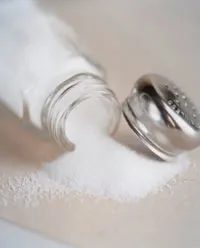
Your body needs very little sodium. About half a gram a day is all it takes to function. The American Heart Association sets the upper limit for healthy adults at 2.3 grams daily. That’s roughly one teaspoon of table salt.
If you have heart failure, the recommendation drops to 2 grams per day.
The average American consumes at least 9 grams daily. That is nearly four times the recommended limit.
This disparity exists because our tastes are rewired. We eat processed foods for convenience and flavor. But taste is adaptable. If you reduce salt gradually, your palate adjusts. Within weeks, foods that tasted bland become flavorful again. You start noticing the sweetness in vegetables or the acidity in tomatoes—flavors masked by heavy salting.
Strategies for Reducing Sodium
Cutting back is not a complex puzzle. It requires small, consistent shifts in how you buy and prepare food.
1. Stop adding salt at the table
The shaker is the easiest source to eliminate. If you are used to salting your food before tasting it, you will likely find unsalted food acceptable once your taste buds reset.
2. Read labels, specifically for “hidden” sodium
Processed foods are the primary culprit. Bread, cheese, cold cuts, and canned soups often contain high levels of sodium as a preservative or flavor enhancer. Look for terms like “sodium,” “monosodium glutamate (MSG),” or “sodium bicarbonate” in the ingredients list.
3. Choose fresh over processed
Fresh fruits and vegetables have no added sodium. When you cook with whole ingredients, you control what goes in. Use herbs, spices, citrus juice, and vinegar to add flavor instead of salt.
4. Rinse canned goods
If you must use canned beans or vegetables, rinse them thoroughly under water. This can remove up to 40% of the added sodium.
5. Cook from scratch
Restaurant meals and pre-packaged dinners are sodium bombs. Preparing meals at home allows you to limit salt to
Why Processed Foods Are the Hidden Sodium Culprit
The biggest hurdle to lowering your sodium intake isn’t the salt shaker on your dinner table. It’s the factory line. About 75% of the sodium in the average American diet comes from processed and manufactured foods. Only roughly 12% occurs naturally. The rest is added during cooking, used as a preservative for meats and vegetables, or sprinkled in restaurants. It even hides in some over-the-counter medications.
You might not realize how quickly these numbers add up. Chips, cheese, soups, ice cream, and prepackaged meals are loaded with it. Even “healthy” dairy products contribute significant amounts.
Practical Strategies to Cut Sodium
You don’t need a medical degree to start making changes. Simple swaps can lower your daily load.
- Stop cooking with salt. Season with lemon juice, vinegar, peppers, onion, or fresh herbs instead.
- Leave the shaker behind. If it’s not on the table, you won’t use it.
- Avoid fast food. It is notoriously salty.
- Eat fresh produce. Fruits and vegetables naturally contain less sodium.
- Limit processed snacks. Chips and crackers are major contributors.
- Read labels. Learn which brands have the highest sodium content.
- Watch dairy. Milk and cheese products are higher in sodium than you might expect.
The Potassium Connection
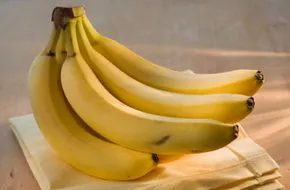
Potassium-rich foods like bananas can help counteract the effects of sodium on blood pressure. Studies show that increasing potassium intake can reduce the impact of excess sodium. This doesn’t mean you can eat unlimited salt and just eat bananas to fix it. But it does mean a balanced intake of minerals matters.
When Salt Substitutes Are Safe
Salt substitutes like Nu Salt® and Mrs. Dash® are generally safe for most people. They use potassium chloride to mimic the salty taste. However, because they are high in potassium, you should check with your doctor before adding them to your diet. Too much potassium can be dangerous for people with kidney issues or those on certain medications.
Understanding the Bigger Picture
Reducing sodium is part of a larger conversation about heart health, blood pressure, and cardiovascular disease. It’s not just about avoiding high blood pressure. It’s about how sodium interacts with your kidneys, your blood vessels, and your overall fluid balance.
“The role of dietary sodium in hypertension is complex and extends beyond simple pressure regulation.”
If you want to go deeper, the American Heart Association and the National Institutes of Health offer extensive resources on heart failure, fluid overload, and electrolyte balance. Understanding how your body handles salt is the first step toward better long-term health.
Sources:
– Bentley B, Moser DK. Dietary sodium in heart failure: what to tell your patients. Prog Cardiovasc Nurs. 2007;22:41-42.
– Cailar G, Mimran A. Non-pressure-related effects of dietary sodium. Curr Hypertens Rep. 2007;9:154-159.
– Cutler JA, Roccella EJ. Salt reduction for preventing hypertension and cardiovascular disease: a population approach should include children. Hypertension. 2006;48:818-819.
– Haddy FJ. Role of dietary salt in hypertension. Life Sci. 2006;79:1585-1592.
– McGinnity JG. Establishing sound goals for hypertension management. JAAPA. 2007;Suppl Hypertension:9-13.
– O’Shaughnessy KM. Role of diet in hypertension management. Curr Hypertens Rep. 2006;8:292-297.
– Penner SB, Campbell NR, Chockalingam A, et al. Dietary sodium and cardiovascular outcomes: a rational approach. Can J Cardiol. 2007;23:567-572.