







Soy has always been complicated. Loved by some, dodged by others. Now, though? The conversation is shifting.
A new prospective cohort study just added serious weight to the idea that soy might actually be good for your metabolic health. Specifically, the plant compounds called isoflavones.
Eating more soy isoflavones is tied to a meaningfully lower risk of type 2 diabetes.
Simple? Not exactly. But promising. Definitely.
The Data Behind The Beans
Isoflavones are phytoesters found mostly in legumes. They fight inflammation. They regulate hormones. For a long time, the research was messy—mostly focused on postmenopausal women, usually relying on shaky cross-sectional data.
This time around, the researchers wanted something bigger. Something clearer.
They used the China Health and Nutrition Survey. This isn’t a quick questionnaire people fill out on their phones. This was rigorous. 14,65 adults. Data pulled from 15 provinces. Participants tracked what they ate for three consecutive days while actually weighing the food. Then the researchers followed them for about 10 years.
Ten years is a long time. It gives you time to see what actually happens.
Over that decade, 1,051 people got diagnosed with type 2 diabetes.
Here is the punchline. The people who ate the most isoflavons? Lower risk. Consistently lower risk. This held true for men. For women. For both.
There are caveats, sure. The diagnosis relied partly on self-reporting. That is a known flaw in massive nutrition studies. People lie. Or forget. Or get it wrong. But even with that limitation, the association remained. Strong enough to notice.
Why It Works (And The Gut Problem)
So why do isoflavones help?
Inflammation. Oxidative stress. Both of these mess with how your body handles insulin. Isoflavones seem to take some of that sting out. They calm the fire.
But here is where it gets tricky.
Your gut bacteria might decide whether those beans even do anything for you. Some isoflavones only work if certain microbes convert them into a stronger compound called equol.
Some people have those bacteria. Others don’t.
Does that mean if you can’t produce equol, you shouldn’t bother with soy?
Not necessarily. A diverse gut microbiome helps. Fiber helps. Keep the bacteria fed. Keep them diverse. Maybe your body will do the conversion itself. Or maybe it just benefits from the raw compounds. We don’t know everything yet.
Not All Soy Is Created Equal
This matters. A soy protein bar from a convenience store? Probably useless for this purpose. Highly processed isolates lose most of the good stuff. Refined oils? Same thing.
You want the real thing. The whole bean. Or close to it.
- Edamame: Young soybeans. Intense. Concentrated. Hard to beat for raw isoflavone content
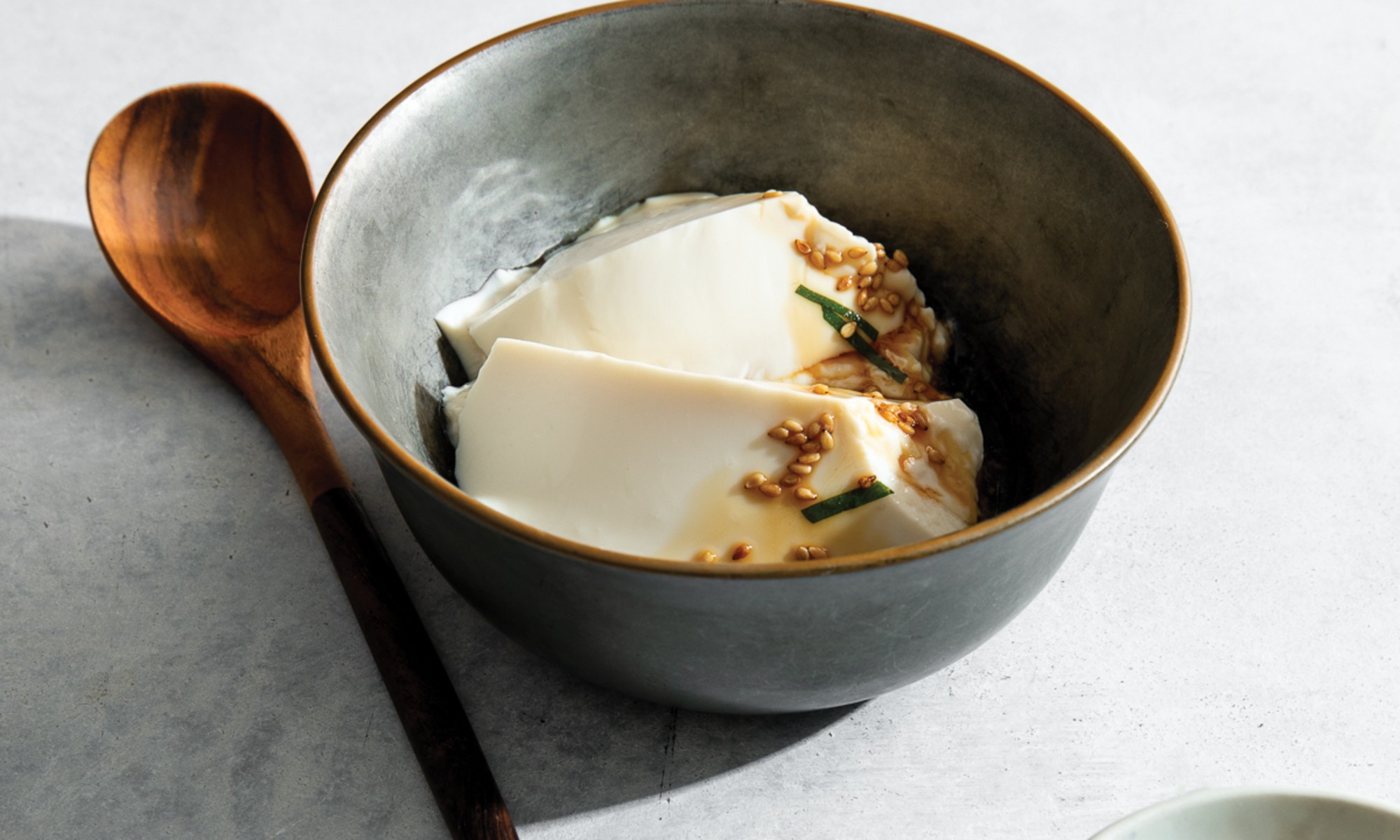
- Tofu: Coagulated milk. Good source, but the amount varies depending on how hard or soft it is
- Tempeh: Fermented. It brings protein and probiotics to the party. Win-win.
- Unsweeted Soy Milk: Liquid. Convenient. Solid backup if you hate chewing bean cakes
The key? Minimally processed. Leave the factory behind.
The Takeaway
We are seeing more data stack up in soy’s favor. It’s not a cure-all. It’s not magic. But over a ten-year span, people who added these foods to their diets were less likely to develop diabetes.
Add tofu. Eat edamame. Try tempeh.
It is simple. It is cheap. It is evidence-backed.
Your gut might need a little convincing first, but the risk seems worth the bean.


