


















Збереження здоров’я і бадьорості після 60 років вимагає активного підходу до харчування і фізичних вправ. У той час як гормональні зміни та природний повільний метаболізм можуть ускладнити підтримання форми, правильна зміна способу життя може значно покращити вашу фізичну форму та загальне самопочуття. Цей посібник містить засновані на фактичних даних стратегії, які допоможуть вам залишатися активними та харчуватися здорово з віком.
Фізіологічні зміни, пов’язані зі старінням
Коли жінки наближаються до 60 років, зниження рівня естрогену може змінити спосіб накопичення жиру в організмі, що часто призводить до збільшення ваги, особливо в області живота. Метаболізм також сповільнюється з віком: у середньому рівень основного метаболізму (BMR) починає знижуватися приблизно у віці 47 років, а загальні витрати енергії (TER) — приблизно у 63 роки. Це означає, що організм спалює менше калорій у спокої та під час активності.
Чому це важливо? Ці зміни не є неминучими. Їх розуміння дозволяє розробляти цілеспрямовані заходи. Ігнорування цих змін призводить до проблем зі здоров’ям, яким можна запобігти, включаючи підвищений ризик захворювань серця, діабету та болю в суглобах.
Дієта для здорового способу життя після 60
Потреба в калоріях змінюється з віком. Для неактивної жінки зростом 5 футів 4 126 фунтів USDA рекомендує приблизно 1600 калорій на день. Помірно активні люди (проходячи 2,5-5 км на день) повинні прагнути до 1800 калорій, а більш активним людям потрібно близько 2200 калорій.
Ключові пріоритети харчування:
- **Споживання білка: ** Прагніть до 0,8 грамів на кілограм ваги тіла (приблизно 60 грамів для жінки вагою 75 кг). Тренування з обтяженнями можуть принести користь від трохи більших порцій (75-98 грамів). Хороші джерела включають курку (32 грами на 100-грамову порцію), знежирене молоко (8 грамів на 240 мл) і сочевицю (18 грамів на чашку).
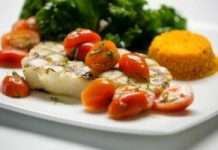
- **Цілісні продукти: ** Вибирайте цільнозернові продукти, фрукти, овочі, нежирні білки та нежирні молочні продукти. Середземноморська дієта пропонує збалансований підхід.
- Корисні жири: Отримуйте жири з риби, горіхів і оливкової олії, а не з солодких напоїв або обробленої їжі.
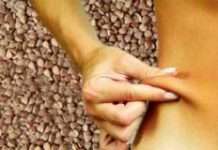
- Обхват талії: Зберігайте окружність талії нижче 90 см, щоб мінімізувати ризики для здоров’я, пов’язані із зайвим жиром на животі.
Тренування сили
Поєднання дієти з фізичними вправами дає найкращі результати. Дослідження показують, що жінки, які роблять обидва, втрачають більше ваги, ніж ті, хто зосереджується лише на одному.
Рекомендовані режими вправ:
- Силове тренування: Вирішальне значення для підтримки м’язової маси, яка зменшується з віком. Підняття тягарів або фізичні вправи можуть зменшити цю втрату та зменшити навантаження на суглоби, особливо корисно для людей з артритом.
- Інтервальне тренування високої інтенсивності (HIIT): Ефективне для підвищення м’язової витривалості та уповільнення вікових змін.
- **Кардіо вправи: ** Рекомендується принаймні 150 хвилин вправ середньої інтенсивності на тиждень (швидка ходьба, плавання).
Поступовий прогрес є ключем до успіху
Уникайте раптової втрати ваги, оскільки швидкі зміни часто призводять до втрати м’язів і води, а не жиру. Прагніть втрачати 0,5-1 кг на тиждень і проконсультуйтеся з лікарем, перш ніж починати будь-яку нову дієту чи програму вправ.
Важлива примітка: Слухайте своє тіло. Занадто докладені зусилля можуть призвести до травми. За потреби відрегулюйте інтенсивність і тривалість.
Висновок
Старіння не обов’язково означає погане здоров’я. Збалансоване харчування, регулярні фізичні вправи та активне мислення дозволяють людям старше 60 років зберігати силу, бадьорість і високу якість життя. Пріоритет цих змін – не просто естетика, це інвестиція в довгострокове здоров’я та незалежність.