

































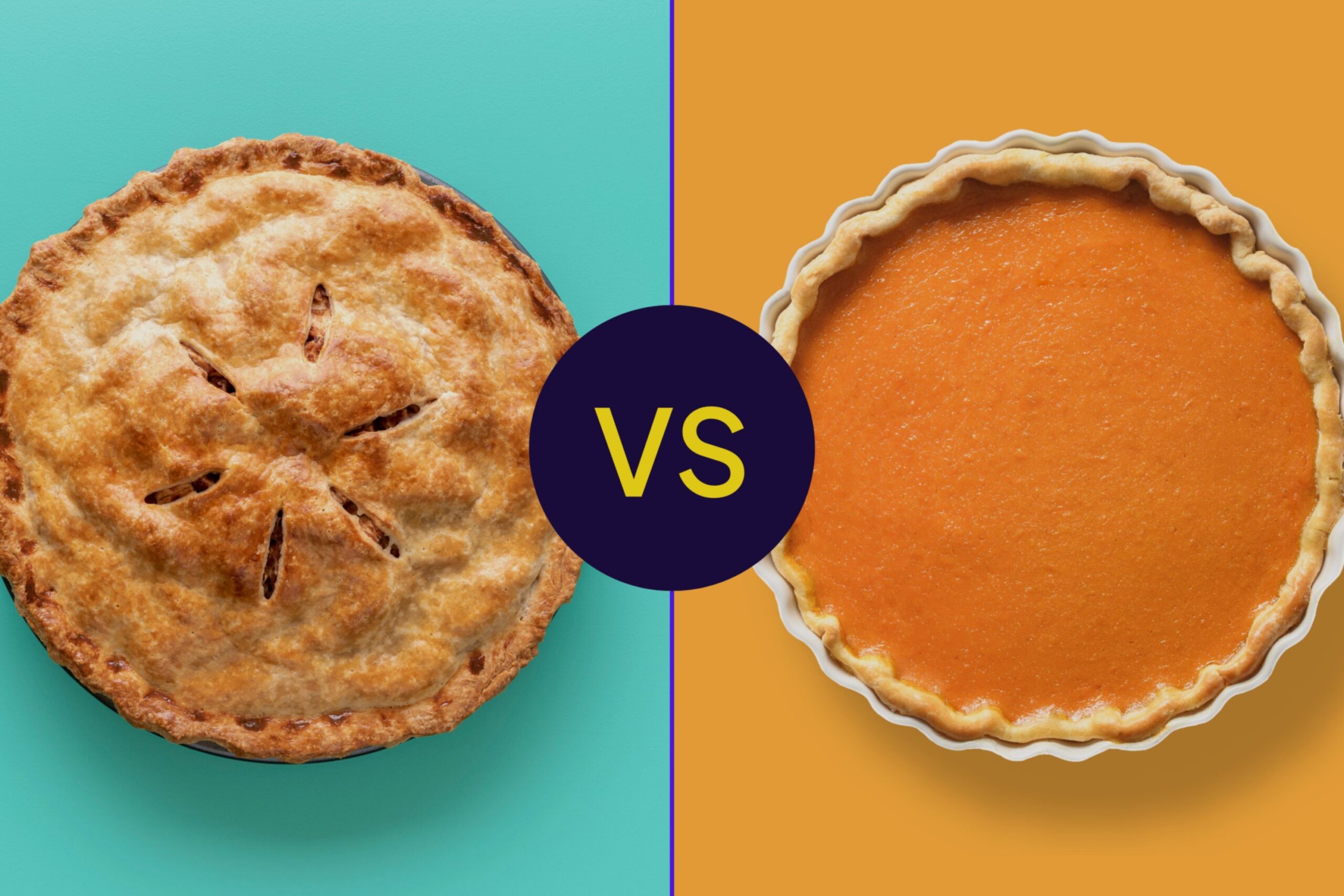
For those mindful of their blood sugar levels, pumpkin pie emerges as the healthier choice between the two Thanksgiving classics. While both desserts contain sugar, pumpkin pie’s slightly lower carbohydrate and higher fiber content give it an edge.
Why Pumpkin Pie is Better
Nutrition experts agree that when it comes to managing blood sugar, pumpkin pie is the preferred option. A standard slice contains approximately 25 grams of sugar, compared to 30 grams in apple pie. The difference isn’t drastic, but every gram counts for those watching their glucose levels.
Crucially, pumpkin pie also boasts more fiber (2.39 grams) and protein (5.19 grams) per slice than apple pie (2.19 grams fiber, 2.97 grams protein). These nutrients slow digestion, which helps prevent rapid blood sugar spikes.
Glycemic Load and Other Considerations
Both pies register a moderate glycemic load, meaning neither causes an extreme blood sugar surge. However, pumpkin pie provides additional nutritional benefits: it’s lower in calories (323 vs. 397 in apple pie) and richer in vitamins and minerals like vitamin A and potassium.
“Managing blood sugar isn’t just about avoiding spikes—it’s about preventing energy crashes and cravings,” explains Jackie Topol, a registered dietitian specializing in prediabetes.
Smart Swaps and Homemade Options
If you’re looking for healthier alternatives, consider baked apples, rustic fruit tarts, or pumpkin custard. Making your own pie lets you control the sugar content and boost fiber by using whole-grain crusts or oat toppings. Spices like cinnamon, ginger, and nutmeg can also enhance flavor without added sugar.
Ultimately, while enjoying a slice of either pie won’t ruin your health, pumpkin pie offers a slight advantage for blood sugar stability and additional nutritional value.