







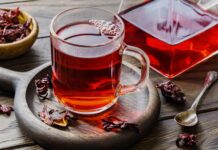





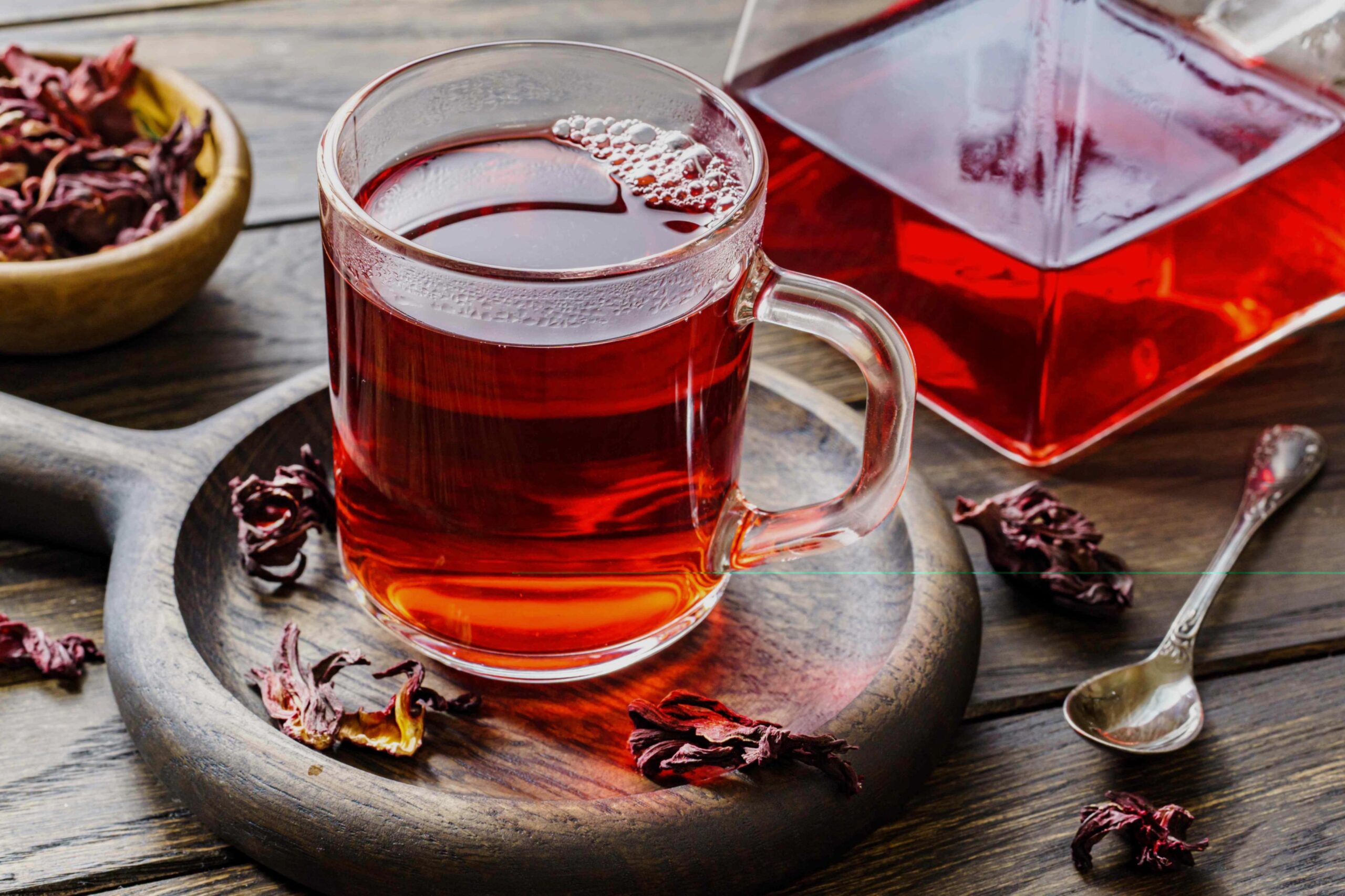
Чай з гібіскусу здобуває популярність не лише завдяки своєму освіжаючому смаку, але й потенційним перевагам у контролі артеріального тиску. Дослідження показують, що регулярне вживання може бути корисним, але важливо розуміти коли і скільки пити цей чай. У цій статті ми розглянемо науково обґрунтовані рекомендації щодо максимізації ефекту чаю з гібіскусу при мінімізації потенційних ризиків.
Оптимальний час для підтримки тиску
Найкращий час для вживання чаю з гібіскусу для регулювання артеріального тиску — це, мабуть, ранок, між 6 ранку та 10 ранку, коли артеріальний тиск має тенденцію до піку. Це може допомогти протистояти ранковій поспіху, яка пов’язана з підвищеним ризиком серцевих захворювань та інсульту. Однак послідовність важливіша, ніж точний час.
Дієтолог Ліза Ендрюс підкреслює, що хоча ранкове споживання може бути оптимальним, саме регулярне вживання чаю з гібіскусу має найбільше значення. Цей чай також має природний сечогінний ефект, тому, якщо ви приймаєте ліки від артеріального тиску (особливо діуретики), вживайте чай принаймні з двогодинним інтервалом, щоб уникнути надмірної втрати рідини та запаморочення.
Дозування та час для досягнення помітного ефекту
Дослідження показують, що дві-три чашки чаю з гібіскусу на день є найефективнішою дозою. Дані показують, що безперервне використання протягом принаймні чотирьох тижнів необхідне для помітного зниження артеріального тиску. Огляд 2022 року підтверджує це, демонструючи значні покращення лише за умови тривалого використання.
Ефект буде не відразу. Очікуйте поступового зниження артеріального тиску з часом, а не миттєвих результатів.
Хто має бути обережним?
Чай з гібіскусу також має ризики. Слід бути обережними людям, які приймають певні ліки:
- Ліки від артеріального тиску: Чай може підсилити дію діуретиків, потенційно призводячи до небезпечно низького артеріального тиску.
- Імуносупресори: Гібіскус може взаємодіяти з ліками, які приймаються після трансплантації органів (нирок або печінки), збільшуючи ризик пошкодження органів.
- Низький кров’яний тиск: Якщо у вас вже низький кров’яний тиск, чай з гібіскусу може посилити проблему.
- Вагітність/годування груддю: Чай містить фітоестрогени, які можуть порушити гормональний баланс, потенційно зашкодивши фертильності або розвитку плоду. У звіті за 2023 рік зазначено про перешкоди екстракорпоральному заплідненню у звичайних користувачів.
Кожен, хто приймає ліки за рецептом, повинен проконсультуватися з лікарем, перш ніж регулярно вживати чай з гібіскусу.
Хоча чай з гібіскусу показує багатообіцяючі результати в підтримці здорового артеріального тиску, він не є заміною медичної консультації чи лікування. Будьте обережні, послідовні та віддавайте пріоритет професійним порадам, коли це необхідно.