





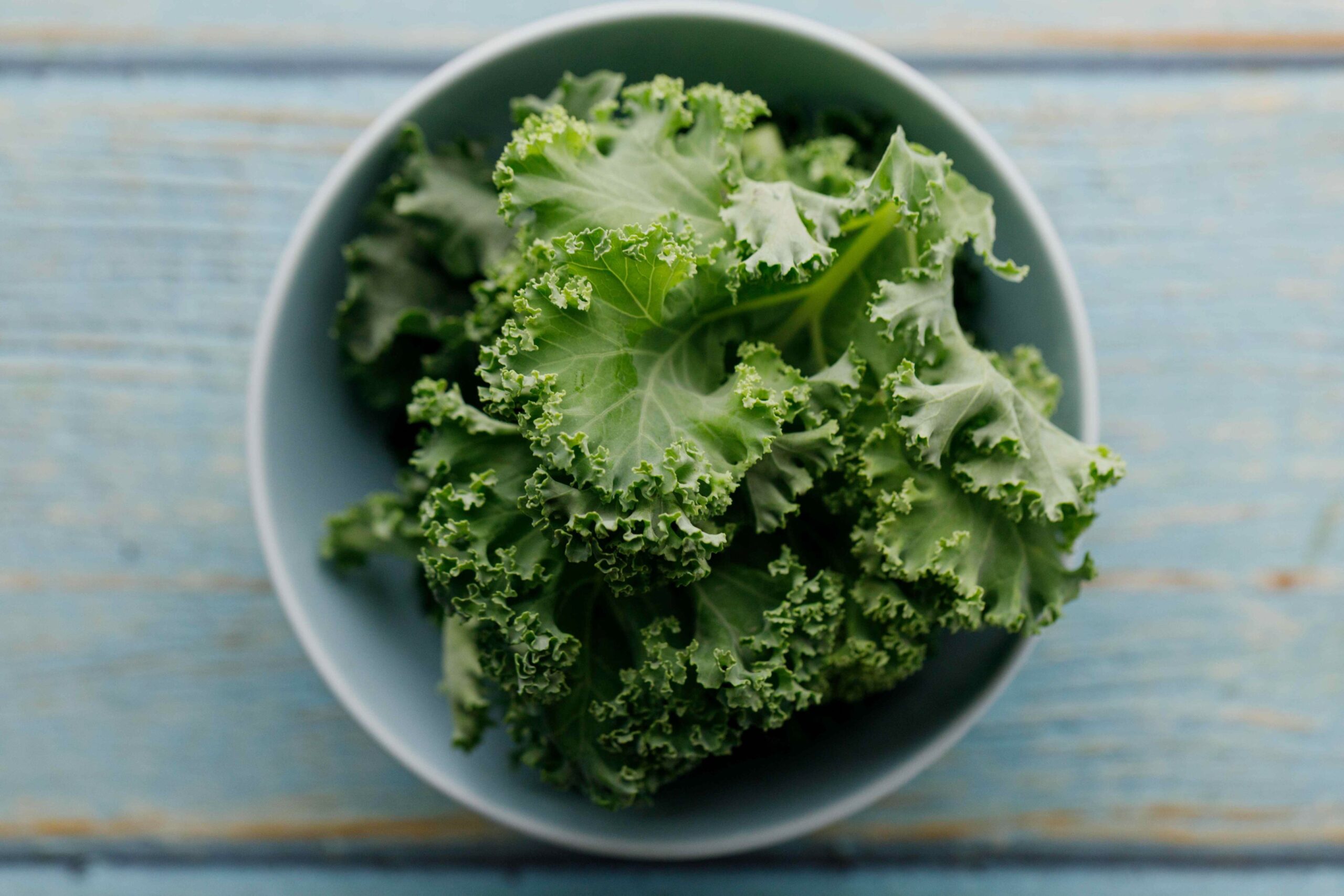
Kale is often praised for its folate content, an essential B vitamin. But many everyday foods deliver significantly more folate per serving, making it easier to meet your daily needs. This matters because adequate folate intake is critical for DNA synthesis, cell division, and red blood cell production—especially during pregnancy.
Folate: Why It Matters
Folate is a water-soluble vitamin, meaning the body doesn’t store it well, and regular intake is crucial. Adults need 400 micrograms (mcg) daily, increasing to 600 mcg for pregnant individuals. While supplements exist (as folic acid, a synthetic form), getting folate from food is ideal due to the added benefits of other nutrients.
Top 8 Folate-Rich Foods
Here’s a breakdown of foods surpassing kale in folate content, along with key benefits:
-
Lentils (181 mcg per 100g): These legumes are folate powerhouses, with one cup providing 89% of the daily requirement. They also deliver plant protein, fiber, iron, potassium, and magnesium—supporting heart health and blood sugar control.
-
Beef Liver (253 mcg per 100g): One of the most folate-dense animal sources, containing over 60% of the daily need in a typical serving. It’s also packed with vitamin A, B12, and iron. Cooking methods matter: gentler techniques preserve more folate. Moderation is key due to its high nutrient density.
-
Spinach (194 mcg per 100g raw, 146 mcg cooked): Spinach contains over twice the folate of kale. It’s also rich in iron, potassium, magnesium, flavonoids, and carotenoids, promoting overall health.
-
Asparagus (182 mcg per 100g raw, 149 mcg cooked): This vegetable is a great folate source, regardless of preparation. Beyond folate, it provides fiber, vitamins B, C, E, and K, with antioxidant, anticancer, and antidiabetic properties.
-
Broccoli (108 mcg per 100g cooked): Though similar to kale in raw form, cooked broccoli edges it out in folate content. It also delivers fiber, vitamins A, C, and K, plus beneficial compounds like sulforaphane, linked to anticancer benefits.
-
Beets (109 mcg per 100g raw, 80 mcg cooked): Beets offer 20-25% of your daily folate needs in one serving. Their deep red color comes from betalains, powerful antioxidants that may reduce cancer risk.
-
Kidney Beans (130 mcg per 100g): A half-cup of cooked kidney beans delivers nearly 58% of the daily folate value. They also provide high-quality protein, fiber, and phenolics for antioxidant benefits, supporting gut health and blood sugar regulation.
-
Black-eyed Peas (208 mcg per 100g): These legumes are exceptionally folate-rich, with one cup providing 89% of the daily requirement. They also offer fiber, protein, and plant compounds with antidiabetic, antimicrobial, and anticancer activity.
Maximizing Folate Intake
To get the most folate, consider eating these foods raw where possible—heat reduces folate levels. If cooking, opt for gentler methods. Some individuals process folic acid (synthetic folate) differently, so a balance of whole foods and supplements may be ideal. Consult your healthcare provider if concerned about your folate levels.
Adequate folate intake isn’t just about avoiding deficiencies; it’s about optimizing health and supporting critical biological processes. By diversifying beyond kale, you can ensure you’re getting enough of this vital nutrient.


