






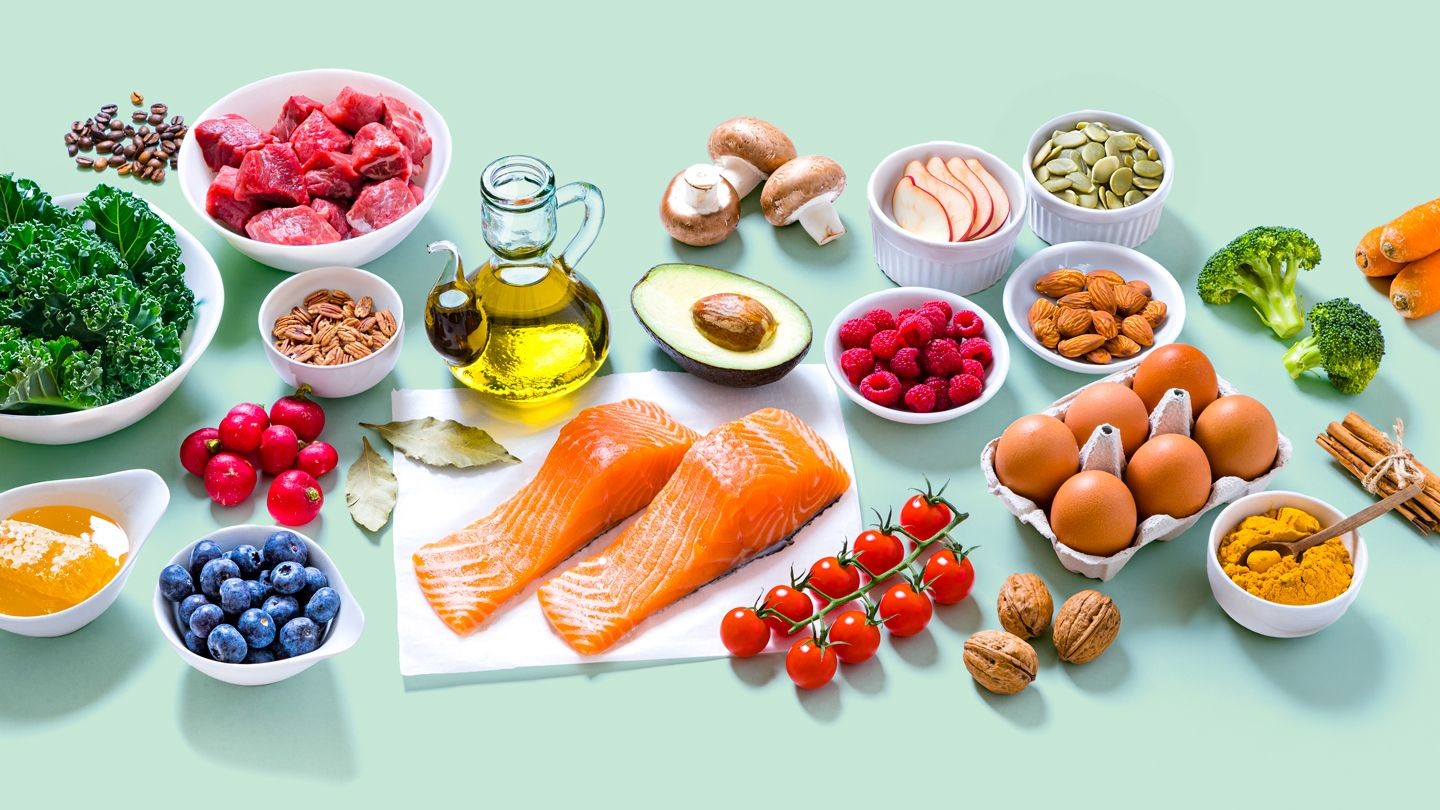
The paleo diet, often touted as a revolutionary approach to health, aims to mimic the eating habits of our Paleolithic ancestors. This means focusing on whole, unprocessed foods while cutting out modern staples like grains, legumes, and dairy. While the diet promises weight loss, improved blood sugar control, and reduced chronic disease risk, the scientific evidence supporting these claims remains limited.
What Does “Paleo” Really Mean?
The core idea behind the paleo diet is that humans evolved eating meat, fish, fruits, vegetables, nuts, and seeds—foods readily available before the advent of agriculture. The modern food environment, with its ultra-processed options and high sugar content, is seen as a mismatch for our biology.
However, it’s important to note that the exact diet of Paleolithic humans varied greatly depending on location and season. The modern paleo diet is an interpretation of this ancestral pattern, not a strict recreation. This matters because rigid dietary restrictions can lead to nutrient deficiencies and unsustainable eating habits.
Foods You Can and Can’t Eat
The paleo diet emphasizes:
- Lean Proteins: Beef, poultry, fish, game meats.
- Fruits & Vegetables: All non-starchy varieties are encouraged.
- Healthy Fats: Avocado, olive oil, nuts, seeds.
- Natural Sweeteners: Raw honey, maple syrup (in moderation).
The diet excludes:
- Grains: Wheat, rice, oats, corn.
- Legumes: Beans, lentils, peanuts.
- Dairy: Milk, cheese, yogurt.
- Processed Foods: Added sugars, refined oils, artificial ingredients.
While eliminating processed foods and added sugars is universally beneficial, the exclusion of grains and legumes remains controversial. There’s no strong evidence that healthy individuals need to avoid these foods for health reasons.
Potential Benefits and Risks
Advocates argue that the paleo diet’s focus on whole foods can lead to natural weight loss and improved metabolic health. Some studies suggest benefits for blood sugar regulation and inflammation, but these findings are often based on small sample sizes.
However, the restrictive nature of the diet carries risks:
- Nutrient Deficiencies: Eliminating dairy, grains, and legumes can lead to inadequate intake of calcium, vitamin D, and fiber.
- Unsustainable Long-Term: The diet’s strictness can make it difficult to maintain over time.
- Lack of Definitive Evidence: The long-term health effects of paleo eating are still unknown.
Is Paleo Right for You?
The paleo diet isn’t a magical solution. It can be a useful framework for focusing on whole, unprocessed foods, but its strictness may not be necessary for everyone.
Before making major dietary changes, consult with a healthcare provider. A balanced approach that incorporates nutrient-rich foods from all food groups—including whole grains, legumes, and dairy—may be more sustainable and beneficial in the long run.
Ultimately, the key takeaway is that no single diet is superior for everyone. Prioritizing variety, nutrient adequacy, and sustainability is essential for long-term health and well-being.


