




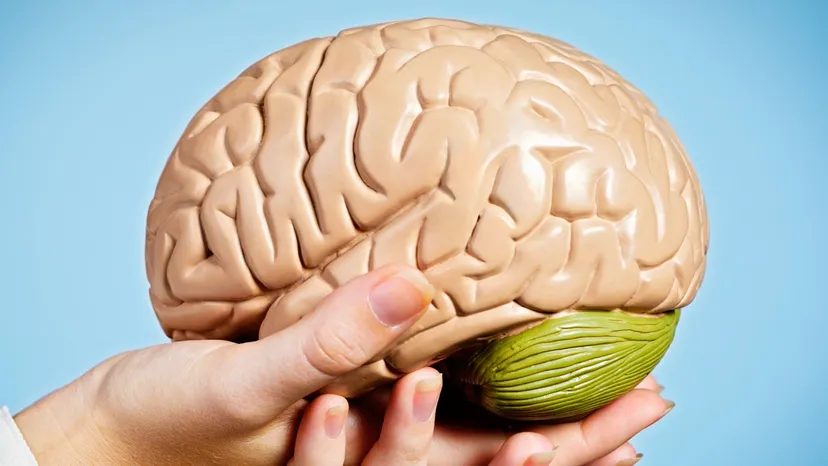
You don’t need a trust fund or a pile of cash to leave a legacy. Researchers are actively recruiting donors to give their brains to science. This gift helps them study conditions like Alzheimer’s and dementia. The goal is to change how we treat these ailments.
The idea of strangers handling your brain after you die can be creepy. It’s normal to feel uneasy. But if you want to help, here is what you need to know.
Timing Matters
You must make your wishes known before you die. But it doesn’t stop there. Time is critical after death.
Harvard University researchers say you have about six hours. The body must be refrigerated or the brain put on ice within that window. If you wait too long, the tissue may not be usable. This isn’t a decision for the family to make in the heat of the moment.
Funeral Plans Stay Intact
You can still have an open casket. The process of removing the brain doesn’t touch your face or hair. Your loved ones can say goodbye as usual.
There is no disfigurement. This detail often comes up for people who worry about their final appearance. You keep that dignity.
No Tax Deductions
Giving your brain is a huge charitable act. It is not a tax deduction.
The IRS does not treat organ or brain donation as a charitable contribution. You won’t get a write-off. Some people find comfort in the idea of doing one last good deed. That has to be enough.
Healthy Brains Are Needed Too
You don’t need a brain disease to donate. Scientists need “healthy” brains too.
They use healthy tissue as a baseline. They compare it to brains with various diseases. This comparison is key to understanding what goes wrong. If you are healthy, your gift is just as valuable as someone with a condition.
Driver’s License Isn’t Enough
Checking the box on your driver’s license doesn’t count.
That box is usually for organs like kidneys or heart. Brain donation requires specific consent. Next of kin can give consent after death, but it’s better to be clear.
Talk to your family. Register beforehand. The Brain Donor Project is a good place to start. They have resources and info. Make sure your people know what you want.
A Heavy Gift
The average adult human brain weighs about 3 pounds. That’s 1.36 kilograms.
It is only about 2 percent of your total body weight. Yet it carries everything. Your memories. Your personality. The sum of your experiences.
Donating it is a big step. It requires planning. It requires honesty with your family. But it helps science move forward.
There is no perfect way to say goodbye. But leaving something behind is possible. You just have to be clear. And you have to be fast.