






Your body has a security system. It’s supposed to hunt down bacteria and viruses, tag them, and throw them out. Mostly, it works.
Then there’s IgA nephropathy—also known as Berger’s disease.
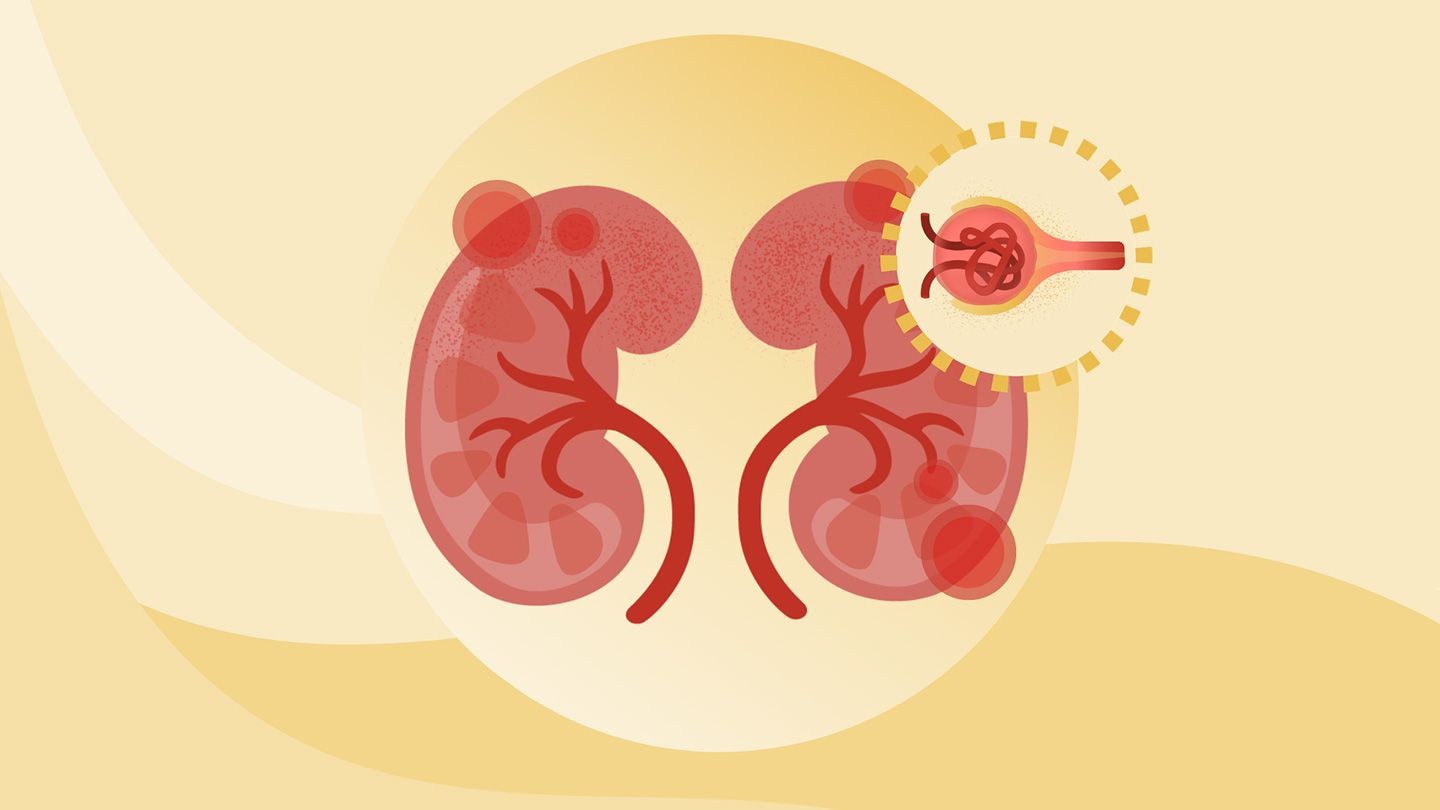
It’s an autoimmune mess-up. The immune system makes IgA antibodies. Normally, fine. Here? The body creates too many of them. Or the wrong kind. These antibodies pile up in the kidneys. Specifically in the glomeruli, the tiny filters that keep blood clean.
They clog up. The filters break.
Blood and protein leak into the urine.
That’s the damage. But here’s the tricky part. It doesn’t happen the same way for everyone. Some folks walk around for decades without noticing a thing. Others spiral toward kidney failure in a shockingly short window.
There is no cure.
Treatment isn’t about fixing the root cause. It’s about damage control. Slowing the bleed. Keeping you out of a dialysis chair for as long as possible.
Three Faces of the Same Problem
Doctors don’t just call it IgA. They split it into three buckets, mostly based on why the IgA is sticking around.
Primary IgAN
This is the big one. The most common. Nothing else causes it. The problem starts right in the kidneys.
Here’s the technical bit: The body produces galactose-deficient IgA-1. It’s a flawed protein. The immune system notices. It attaches its own antibodies to the bad IgA. Those complexes drift downstream, settle in the kidney filters, and trigger an inflammatory fire.
Secondary IgAN
This one is a passenger disease. Something else is already going on—liver failure, another autoimmune condition—that stops the body from cleaning out IgA. The buildup isn’t the main event. It’s collateral damage from a different fight.
You treat the underlying condition. You also treat the kidney symptoms. Double whammy.
IgA-Associated Nephropathy
Sometimes the IgA invasion goes wider. It hits other organs, not just the kidneys.
The poster child here is IgA vasculitis (used to be called Henoch-Schönlein purpurah). It sounds worse than it is. The antibodies clog small blood vessels elsewhere. Joints hurt. Gut lining inflames. The skin breaks out in a rash. The kidneys? Usually get caught up in it, too.
How It Shows Up
Silence is the usual soundtrack for IgA.
Symptoms can take years to surface. Or they might appear suddenly, often after a respiratory infection. You have a cold. Your immune system revs up to fight the virus. In doing so, it produces a surge of IgA.
The kidneys can’t handle the flood.
Then the signs start.
The classic sign? Urine that looks like cola. Or red. Or brown. That’s blood. It shouldn’t be there.
If the protein leak is bad enough, the urine gets foamy. Think Guinness head foam, persistent and thick. That’s albumin. It’s not supposed to leave your blood.
Swelling follows. Water retains itself because the filters aren’t working. Face puffs up. Ankles swell. Feet hurt.
Back pain? Yes. Dull, flank-area ache on either side.
High blood pressure often tags along, a silent companion that makes the kidney damage worse. And then there’s the fatigue. The weakness. It feels like the flu, but it doesn’t go away.
Who Gets Hit?
Primary IgA happens because of a glitch in immune recognition. Often triggered by that cold I mentioned.
Is it genetic? Sometimes. In fewer than 1% of cases, a specific gene change causes it. The other 90%? No clear family blueprint. Just bad luck, largely.
Risk factors do cluster, though.
You’re more at risk if you:
- Have a family history of IgA vasculitis.
- Are male. Men in North America and Europe get it twice as often as women.
- Are between 10 and 45. It hits hard in early adulthood, then tapers off.
- Are of Asian, Pacific Islander, or White descent.
- Have existing liver disease, celiac disease, HIV, hepatitis B, or other autoimmune conditions like lupus.
Figuring Out the Mess
Diagnosis is rarely accidental. Usually, it starts with the blood in the urine.
A nephrologist will listen to your lungs, check your blood pressure (which will likely be high), and ask about swelling.
Then come the tests.
The Basics:
- Urinalysis: They’re looking for blood and that telltale protein foam.
- Urine Protein/Creatinine Ratio: Tells you exactly how much protein is leaking.
- Blood eGFR: Measures how well the kidneys are actually filtering blood. Lower is worse.
The Definitive Proof:
A biopsy.
This is the only way to confirm it. The doctor numbs your back, guides a needle into the kidney, and takes a tiny sliver of tissue.
They look at it under a microscope. They use a dye technique called immunofluoresence. If they see IgA deposits glowing bright green in the basement membranes of the glomeruli? Game over. It’s IgAN.
What We Can Do
There’s no pill that resets the system. No “reset button.”
Treatment aims for two goals: lower blood pressure and stop protein leakage.
Medications:
- ACE Inhibitors & ARBs: These are the old guards. Blood pressure meds that also protect the kidneys by reducing strain. They slow the leak.
- SGLT2 Inhibitors: Originally diabetes drugs (Jardiance, Farxiga), they’re now kidney superheroes. They significantly cut protein loss.
- Endothelin Receptor Antagonists (ERAs): New kids on the block. Drugs like Atrasentan and Sparsentan widen kidney blood vessels and preserve function.
- Corticosteroids: Prednisone or similar steroids. They dampen the immune response. But they come with baggage: diabetes, infection risk, thin bones. Newer options like Tarpeyo release steroids only in the gut, reducing systemic side effects.
- Complement Inhibitors: Drugs like Iptacopan block the immune cascade at a specific checkpoint.
- Monoclonal Antibodies: Siparlimab is an injection. It targets the APRIL protein, cutting IgA production at the source.
Surgery:
Tonsillectomy. Wait. Hear me out. The tonsils produce a lot of IgA. Some Asian studies showed removing them slows kidney damage. Western medicine remains skeptical, mostly due to less rigorous study designs. Still, it’s an option for severe cases, often paired with steroids.
Kidney Transplant.
If you reach end-stage kidney failure, a transplant saves your life. But the disease is persistent. It recurs in about 15% of transplanted kidneys. And sometimes sooner than you’d hope.
Living With It
Lifestyle changes matter more than people admit.
Eat less salt. Aim for under 2,000 mg a day. Sodium raises blood pressure and drives more protein out into your urine.
Protein? Dial it back. You don’t need low-carb bodybuilder macros. Your damaged kidneys struggle to filter the waste from excessive protein.
Quit smoking. Tobacco constricts blood vessels. It accelerates the damage. It’s almost as bad for kidneys as it is for lungs.
Watch the meds.
This is crucial. Avoid NSAIDs. Ibuprofen? Naproxen? They constrict kidney blood flow. They can push a borderline kidney over the edge into acute failure.
Check with your doctor before taking:
- Certain antibiotics.
- Antifungals.
- Some acid-reducers (PPIs).
If you need pain relief? Acetaminophen (Tylenol) is usually the safer bet. Ask your specialist. They’ll know your eGFR better than anyone.
The Long View
The prognosis? It’s a coin flip, mostly.
Up to 40% of patients develop kidney failure within 20 years. About half reach failure within 10 years if they have heavy protein leakage.
But others? They stay stable for decades. The disease stalls. They manage their blood pressure, stick to the low-salt diet, and live full lives.
The difference between them? Usually early diagnosis and strict management.
Proteinuria (protein in urine) is the biggest warning flag. High levels predict faster decline. Low or stable levels suggest a slower, more manageable path.
Don’t wait for the cola-colored urine to call a doctor. If it’s in the family? If you have high blood pressure at a young age? Ask for the urine test.
It’s not perfect. It’s not cured.
But we can buy time. Sometimes, a lot of time.
Need Help Navigating?
You don’t have to read clinical trials alone.
IgA Nephropathy International Patient Platform offers community and research updates.
IgA Nephropathy Network (iGN Network): The largest support organization specifically for IgAN patients.
National Kidney Foundation: Broader scope, but their resources on transplant and dialysis are solid.
FAQ: The Stuff They Don’t Say First
Does this kill you?
Indirectly. If your kidneys shut down and you don’t get dialysis or a transplant, yes. The disease itself doesn’t kill you directly. Kidney failure does.
Can I live a normal lifespan?
Yes, if the disease doesn’t progress to failure. With management, many people die of natural causes long before their kidneys do.
What if I have to go on dialysis?
It’s hard. But transplants are available. The quality of life after transplant is generally better than staying on dialysis, provided the recurrence can be managed.
Is diet the only thing I can control?
Along with taking your meds, yes. Stop smoking. Limit salt. Keep blood pressure low. These are your three shields. Use them.
Sources: National Kidney Institute, Mayo Clinic, Kidney Disease: Improving Global Outcomes (KDIGO), peer-reviewed journals including Frontiers in Nephrology.


