







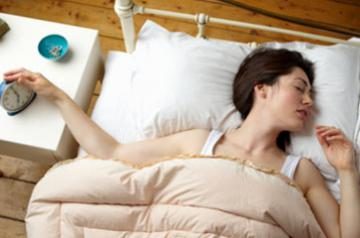
You think you know how to fall asleep. You do it every night. That’s the assumption, at least. But most people are doing it wrong.
Henry is the poster child for bad sleep hygiene. He races through his workday. He doesn’t stop when the clock punches out. He keeps going. He tries to squeeze in chores, hobbies, and obligations until the late hours. Then, finally, fatigue hits him. It’s the first time he’s thought about sleeping since his alarm went off in the morning.
Big mistake.
Henry thinks putting a toothbrush in his mouth, pulling back the covers, and closing his eyes is enough. He expects a magical spell. He expects to be catapulted into deep, restorative sleep.
It doesn’t happen.
His body and mind are still running at eighty miles per hour. He slams on the brakes. He crashes into bed. The intention is there. The preparation is not.
Sound sleep requires preparation. Most people skip it. More than half the U.S. population complains of sleep problems. This is why. To fix it, you need to shift your strategy.
How to Prepare for Sleep All Day
Your morning choices dictate your night’s rest. It sounds simple. It’s not always easy. But making wise decisions during daylight hours sets the stage for deep sleep later.
Start with movement. Regular exercise helps. The timing matters, though. We will get into the specific windows for working out to optimize rest. But the principle is clear: a sedentary day makes for a restless night.
You have to schedule your sleep deliberately. You can’t just hope for it. You have to treat your sleep environment like a controlled laboratory. You need habits that signal relaxation. You need to control the inputs.
Henry needs to learn that sleep isn’t something that happens to him. It’s something he prepares for. All day long.
The rest of this guide breaks down the four pillars. We will cover how to structure your day, how to handle the wind-down period, and how to tweak your bedroom for maximum efficiency.
But first, let’s look at the foundation.
The Four Pillars of Effective Sleep
To maximize sleep time, you need to address four specific areas. Ignore one, and the others suffer.
- Begin preparations during the day. This is not about stress management alone. It’s about physiological signaling. Your body needs cues that the day is ending.
- Schedule sleep patterns deliberately. Irregular bedtimes confuse your circadian rhythm. Consistency is key.
- Practice relaxation habits. Your nervous system needs to switch from sympathetic (fight or flight) to parasympathetic (rest and digest). This doesn’t happen instantly.
- Control your sleep environment. Light, temperature, and noise play massive roles.
Henry failed because he ignored #1 and #3. He waited until the last second to try to relax. He didn’t prepare his body. He just crashed.
You don’t have to be Henry.
The difference between a bad night and a good night is often decided before you even leave the office. It’s in the choices you make at 10 AM, not the ones you make at 10 PM.
We will go deeper into each of these points. We’ll look at when to exercise for best results. We’ll talk about lighting and temperature. But the core message is this: you cannot cheat the process.
Sleep is a biological function. It requires a sequence.
“Sound sleep is not what Henry typically experiences… He’s taken no time or effort to prepare himself for a good night’s sleep.”
The data is clear. Preparation is the variable.
If you want to fix your sleep, start with the morning. Make the choices. Set the trajectory. The night will take care of itself.
Or it won’t. That’s the risk of leaving it to chance.
This information is solely for informational purposes. IT IS NOT INTENDED TO PROVIDE MEDICAL ADVICE. Neither the Editors of Consumer Guide (R), Publications International, Ltd., the author nor publisher take responsibility for any possible consequences from any treatment, procedure, exercise, dietary modification, action or application of medication which results from reading or following the information contained in this information. The publication of this information does not constitute the practice of medicine, and this information does not replace the advice of your physician or other health care provider. Before undertaking any course of treatment, the reader must seek the advice of their physician or other health care provider.
When to Exercise to Fix Your Sleep
Most people say they skip workouts because they are too exhausted. This is a catch-22. You are tired because you do not exercise. Yet you do not exercise because you are tired. The root cause is likely your sleep habits.
Exercise is the lifestyle habit with the most broken intentions. Everyone knows it helps. It strengthens the heart. It lowers blood pressure. It builds bone density. It reduces muscle tension and stress. It lifts your mood.
There is one more benefit. Exercise helps you sleep deeper. It also helps you feel more alert during the day. The catch is timing. The type of workout matters. The time of day matters.
Timing Your Workouts for Better Rest
What time of day helps you sleep best? Morning? Afternoon? Evening? Right before bed?
Exercising vigorously right before bed makes it harder to fall asleep. This surprises many people. They think a late workout will tire them out. It does the opposite. Vigorous activity stimulates the heart. It activates the brain. It fires up muscles. It raises your core body temperature. This is the wrong state for bedtime.
Morning exercise reduces stress. It improves mood. These factors indirectly help sleep. You can get a direct benefit too. Combine morning exercise with outdoor light. Natural light reinforces your body’s internal clock. This strengthens your sleep-wake cycle.
For a direct effect on sleep quality, choose vigorous exercise in the late afternoon or early evening. This timing raises your body temperature a few hours before bed. Your temperature then drops as you prepare for sleep. This decline triggers drowsiness. It eases you into rest.
The Best Type of Exercise for Sleep
The workout that works best is cardiovascular exercise. You must keep your heart rate up. You must keep your muscles moving. Do this for at least 20 minutes.
Strength training helps. Stretching helps. Yoga helps. None match the sleep-enhancing power of cardio.
Aim for at least 20 minutes of vigorous exercise three or four times a week. Pick an activity you enjoy. Walk to work. Walk the dog. Jog. Swim. Bike. Ski. Jump rope. Dance. Play tennis. Just make it part of your routine.
Consult a doctor if you have serious medical conditions. Do this if you are very overweight. Do this if you have not exercised in years. Start slowly. Increase time and intensity gradually. Avoid injury. Regular exercise improves how you feel. It improves how you look. It improves how you sleep.
The connection between sunlight and your sleep-wake cycle is equally complex. The next section explains that link.
This content is for informational purposes only. It does not provide medical advice. The editors, authors, and publishers are not responsible for consequences from any treatment, procedure, or exercise. This is not medical practice. It does not replace a physician’s advice. Seek professional guidance before starting any new health regimen.
Why Morning Light Is Your Best Sleep Tool
It sounds backwards. Sunlight in the morning makes you sleep better at night. People usually expect light to keep them awake. That is why turning on a lamp at 3 AM ruins your ability to drift back off. But morning exposure does the opposite. It anchors your sleep-wake cycle.
Your brain has an internal clock. It tracks time like a wristwatch. But it has a flaw. The clock naturally drifts forward. Stay up late. Wake up late. You reinforce that drift. Then you struggle to fall asleep when you want to. You struggle to wake up when you need to.
Resetting Your Biological Clock
You need to reset that clock every single day. The goal is to stay in sync with the earth’s 24-hour rhythm. Morning light does exactly that. It pulls the clock back into place.
Research shows what happens when you skip this step. People cut off from light for long periods see their sleep, temperature, and hormone cycles go haywire. You probably won’t be completely dark for weeks. But getting less than you need still causes problems. You may find it harder to fall asleep. You may struggle to wake up at your preferred time.
Light is the most important factor for your biological clock. Timing is everything. Your body is most responsive to sunlight between 6 AM and 8:30 AM. Exposure later in the day does not offer the same benefit.
Outdoor Light vs. Indoor Bulbs
The type of light matters. So does the length of exposure. You need at least thirty minutes of direct sunlight outdoors. This produces the most benefit. Indoor lighting in your home or office has little effect. It is not bright enough to trigger the reset.
Specialized devices exist. Light boxes and visors simulate sunlight. Doctors often prescribe them for seasonal affective disorder (SAD). This form of depression hits hardest in the darker winter months.
But these devices have limits. Sitting in front of the brightest light box for half an hour does not provide as much phototherapy as going outside. Even on an overcast day, thirty minutes outdoors wins. You cannot control when the sun shines. You can control when you step outside.
This information is solely for informational purposes. IT IS NOT INTENDED TO PROVIDE MEDICAL ADVICE. Neither the Editors of Consumer Guide (R), Publications International, Ltd., the author nor publisher take responsibility for any possible consequences from any treatment, procedure, exercise, dietary modification, action or application of medication which results from reading or following the information contained in this information. The publication of this information does not constitute the practice of medicine, and this information does not replace the advice of your physician or other health care provider. Before undertaking any course of treatment, the reader must seek the advice of their physician or other health care provider.
Why You Can’t Get Used to Stress, Even When It Feels Normal
You know the feeling. You’re exhausted, yet your mind is racing. The link between high anxiety and insomnia is obvious, but it’s also misleading. Many people believe they can simply get used to living with their stress levels. They can’t. The solution isn’t acceptance. It’s reduction.
Consider moving into a house near a factory that pumps out pungent smoke. The first week, it’s unbearable. Your eyes water. You’re angry. But after a few weeks, you stop noticing it. You’ve become conditioned to the smell. It’s still there. It’s still potentially unhealthy. But your brain has tuned it out.
Ongoing stress works the same way. We get bombarded by deadlines, family drama, and gridlock. Eventually, we stop registering the weight of it. We don’t realize how stressed we are until we hit a breaking point. A medical emergency. A total burnout. That’s the “last straw.” Constant exposure degrades sleep quality. It tanks overall health. And you barely notice until it’s too late.
Here’s the hard truth. You can’t avoid stress. If you breathe, you encounter friction. The goal isn’t elimination. It’s management.
Control the Response, Not the Event
The first step in managing stress is drawing a hard line between what you can change and what you can’t. Take a looming deadline from a demanding boss. You likely have zero control over that timeline. Fighting it is useless.
But you have total control over your response.
That distinction is everything. Professional therapists specializing in stress reduction agree on this point. Your body is the most accurate gauge you have. Pay attention to physical cues. Tight shoulders. Clenched jaw. Restlessness. These are early warnings. If you catch them during the day, you can intervene before stress wrecks your nighttime rest.
The Nighttime Price of Daytime Suppression
Why does daytime stress dictate nighttime sleep? Think about it. Have you ever crawled into bed ready to collapse, only to spend hours staring at the ceiling? You’re replaying every awkward interaction. Every unresolved conflict.
That’s stress working overtime. Emotions and thoughts left unprocessed during the day surface when it’s quiet. The brain refuses to let them go.
This triggers the fight-or-flight response. When stress hits, the brain signals the body to release alertness hormones. It’s a survival mechanism. Useful if a dog is chasing you. Useful if a car is swerving into your lane.
But sitting at your desk? No physical threat. No escape needed.
That heightened state of alertness is the enemy of sleep. You’re essentially primed for action while trying to lie still. It’s impossible to relax. The more you dwell on these events, the stronger the physiological reaction becomes.
The fix is immediate. Deal with stressors when they happen. Don’t save them for bed. Process the anger. Set the boundary. Let it go. This reduces the likelihood of being kept awake by ghosts of the afternoon.
Managing the Nap Trap
Just as you can control your reactions to external stressors, you can control your sleep habits. Napping is a double-edged sword. It can recharge you, or it can cannibalize your nighttime sleep. Understanding how naps affect your circadian rhythm is the next critical step in protecting your rest.
This information is solely for informational purposes. IT IS NOT INTENDED TO PROVIDE MEDICAL ADVICE. Neither the Editors of Consumer Guide (R), Publications International, Ltd., the author nor publisher take responsibility for any possible consequences from any treatment, procedure, exercise, dietary modification, action or application of medication which results from reading or following the information contained in this information. The publication of this information does not constitute the practice of medicine, and this information does not replace the advice of your physician or other health care provider. Before undertaking any course of treatment, the reader must seek the advice of their physician or other health care provider.
When to Nap for Energy, Not Grogginess
Most people have a stance on daytime sleep. Some treat it as a superpower. Others view it as a threat to their nighttime rest. The reality is that napping is neither inherently good nor bad. It depends entirely on timing and duration.
The biological urge to sleep peaks roughly eight hours after you wake up. This aligns with the first of two daily dips in body temperature. The second, sharper drop happens at night. You are fighting your own biology if you try to stay sharp during that mid-afternoon trough.
A short nap during the early to middle afternoon can reset your alertness. It works like a system reboot. A nap taken in the late afternoon or early evening is a different story. It can interfere with your circadian rhythm. You may find it harder to fall asleep when you finally hit the pillow.
To get the most out of a nap, there are specific rules. Keep it under thirty minutes. Take it no later than mid-afternoon. If you sleep longer, your body enters deeper sleep stages. Waking up from deep sleep causes sleep inertia. You will feel groggy. This is the “heavy head” feeling that lingers for twenty minutes or more.
If you nap for a longer period, your body lapses into a deeper phase of sleep, which can leave you feeling groggy when you awaken.
There is an exception. If you are severely sleep-deprived, a short nap might not help. You might need a full cycle. An average sleep cycle lasts about ninety minutes. In that case, sleep for that long. It allows your brain to complete its natural process. You wake up refreshed instead of confused.
Consistency matters. If you need a nap every day, take it at the same time. Your body will eventually adapt. It will learn to expect the rest period. This helps stabilize your overall rhythm. If you try to nap but cannot sleep, do not stress. Just rest with your eyes closed. This passive rest can still restore some energy and alertness.
Strategic napping can also manage sleep deficits. If you know you will stay up late for an event, take a longer nap earlier in the day. Two to three hours can reduce fatigue at your normal bedtime. It improves alertness later. Be aware that this may temporarily throw off your normal sleep schedule. Use this tactic sparingly.
Your eating habits also play a role in your sleep quality. The way you fuel your body influences how easily you drift off. How a healthy eating pattern can help you sleep better is the next logical step in understanding your health.
This information is solely for informational purposes. IT IS NOT INTENDED TO PROVIDE MEDICAL ADVICE. Neither the Editors of Consumer Guide (R), Publications International, Ltd., the author nor publisher take responsibility for any possible consequences from any treatment, procedure, exercise, dietary modification, action or application of medication which results from reading or following the information contained in this information. The publication of this information does not constitute the practice of medicine, and this information does not replace the advice of your physician or other health care provider. Before undertaking any course of treatment, the reader must seek the advice of their physician or other health care provider.
How Diet Shapes Your Sleep Quality
The direct link between what you eat and how you sleep isn’t fully mapped out. But one thing is clear: eating for optimal body function helps. A diet rich in fresh produce, whole grains, and lean proteins wards off chronic conditions like heart disease. Managing portion sizes to maintain a healthy weight also keeps diabetes at bay. Since chronic illnesses and their medications can disrupt rest, eating well protects both your health and your sleep cycle.
Adjusting when you eat might matter just as much as what you eat. Most people in the US follow a pattern of light breakfasts, moderate lunches, and heavy dinners. But saving the biggest meal for nightfall often leads to discomfort. Distention and heartburn can keep you awake when you try to rest.
Reversing this pattern can create a more sleep-friendly routine.
A Better Schedule for Nightly Rest
Try shifting your calorie intake to the earlier parts of the day.
- Breakfast as the main event. Since you are breaking an overnight fast, this meal should fuel your morning. Make it substantial. Whole-grain cereals, yogurt, and fruit are solid choices.
- Lunch stays moderate. Stick to brown rice, whole-grain pasta, or bread paired with protein. Fish, eggs, chicken, or beans all work.
- Dinner stays light. Your evening meal should be the smallest of the three. Finish eating at least two hours before bed. Longer is better. If you need a late-night snack, check guides on promoting sleep rather than reaching for heavy foods.
Beyond meal timing, specific substances can sabotage your rest.
Cutting Out Sleep Saboteurs
Caffeine management is often the first step for those struggling with sleep. It’s a stimulant. While some people can drink coffee all day and sleep fine, others are highly sensitive. If you’re having trouble sleeping, limit intake. Remember, coffee isn’t the only source. Sodas, teas, chocolate, and even headache medications often contain caffeine. Check labels.
Monosodium glutamate (MSG) also warrants attention. Some people are sensitive to this flavor enhancer and preservative. In susceptible individuals, it causes digestive upset or headaches—both of which interfere with sleep. It’s common in processed foods and some Asian dishes. Try avoiding it to see if your sleep improves.
Fluid timing matters too. A full bladder cuts into sleep time. You need water for healthy bodily functions—aim for eight glasses, or two quarts, daily. But get most of that hydration in by the end of dinner. This minimizes nighttime bathroom trips.
Alcohol might seem like a sleep aid. It makes you drowsy initially. But it ultimately disturbs sleep architecture. Skipping it is usually the better move for restorative rest.
Your daily routine extends beyond food. Other habits play a role too.
Your circadian rhythm is not a suggestion. It is a biological imperative that craves structure. Treating sleep like a mandatory meeting isn’t just a productivity hack. It is how you align your internal clock with the world around you.
Most people have a morning routine. You likely shower, drink coffee, and check your phone before you even think about rest. But you rarely apply that same discipline to the end of the day. You should. A bedtime ritual sends a clear signal to your brain and body that the work day is over. It is time to wind down.
Create a Non-Negotiable Wind-Down Sequence
You probably already have habits. Brushing your teeth. Lowering the thermostat. Setting the alarm. These are small anchors. But they need to happen in the same order, every single night.
Consistency is the key to triggering sleep pressure. If your routine changes nightly, your body stays confused. It doesn’t know when to start producing melatonin. It doesn’t know when to lower its core temperature.
Here is what to avoid. Do not start complex tasks within thirty minutes of your target sleep time. Assembling new furniture? Paying bills? Debugging code? Do these earlier. Your brain needs a buffer zone. It needs to shift from high-alert problem-solving to passive relaxation.
When you stick to a sequence, you create closure. The day ends. The mind quiets. The body follows suit.
Why Regularity Beats Intensity
Some adults think sleep schedules are for kids. They think sleeping at 10 PM and waking at 6 AM is a childish constraint. This is a mistake.
Adults who want deep, restorative sleep need the same structure children get. The goal is simple. Go to bed at the same time. Wake up at the same time. Even on weekends.
Yes, even weekends.
I know. You want to sleep in on Saturday. You want to catch up. But sleeping in breaks your rhythm. It causes a phenomenon known as social jetlag. Your body thinks it is in a different time zone every Monday morning.
Within a few weeks of strict adherence, you will notice a shift. You will become more alert. Your energy levels will stabilize. You won’t experience the mid-afternoon crash as severely. This isn’t magic. It is biology. A stable sleep-wake cycle improves sleep quality. It improves life quality.
Try it for six weeks. Track your energy. Track your focus. The difference is often stark.
Your nightly ritual is step one. It prepares the ground. But there are other factors at play.
“Within weeks of keeping a regular sleep-wake schedule, you will begin to feel more alert than if you were keeping a variable sleep-wake routine.”
This information is provided for educational purposes only. It is not medical advice. The authors and publishers assume no liability for any health outcomes resulting from this content. Always consult a physician before making significant changes to your health or sleep habits.
The Hour Before Bed Is Everything
The day’s routines are done. You’ve timed your caffeine. You’ve limited the blue light. Now comes the final hurdle. The sixty minutes before you actually close your eyes matters more than you think.
Use this time to shed the day’s stress. Do this right and you drift off easily. Do it wrong and you’ll spend hours staring at the ceiling.
Try a few methods. See what sticks.
Create a Calm Atmosphere
Peace is the goal. You need quiet. You need pleasure. Not excitement.
Read something light. A software manual is a bad idea. It’s too stimulating. Pick a magazine. A short story. Devotional reading works too. The point is low stakes.
Music helps many people. Soft instrumentals are the safest bet. They calm the nervous system. Rock and pop beats? They pull you in. Familiar songs make you alert. Nature sounds are another option. Tapes of rain. Wind. Water.
Meditation. Prayer. Both work for relaxation. They help you sit with whatever thoughts are buzzing around your head.
Television is tricky. Only watch if it genuinely relaxes you. Falling asleep with the TV on is a bad habit. You have to wake up to turn it off. Then you have to fall asleep again. Sleep fragmentation ruins rest.
Watch TV earlier in the evening. Use relaxation techniques right before bed. If you must watch late, stay out of the bedroom.
The Timing of a Warm Bath
Hot baths are popular. They slow the mind. They relax the muscles.
But timing is everything.
Some people get drowsy immediately. If you’re one of them, take the bath right before bed. Enjoy the sleepiness.
Others get stimulated. The heat makes them uncomfortable when they get under the sheets. Too warm is not good.
If a late bath keeps you awake, move it up. Take it two hours before bedtime. This allows your body temperature to drop gradually. The natural drop in core temperature triggers drowsiness. It’s a biological signal.
Don’t Go to Bed Angry
Imagine the phone call. A relative who always frustrates you. They criticize your life. They charge you collect.
You storm into the bedroom. You’re glowing with anger. You slam your fist into the pillow.
You can’t sleep. You’re on fire.
Don’t do this.
Your bed is not a place for anger. It’s not a place for worry. It should signal peace.
If your emotions boil over, leave the bedroom. Wait until you cool down.
Journaling helps. Write down the frustrations. Get them out of your head and onto paper.
Use the relaxation techniques mentioned earlier. Unwind the tangled emotions.
Once you are calm, you can go back to bed.
Prepare the Room
The best way to ensure peace is to prepare the room itself.
How do you do that?
Find out next.
This content is for informational purposes only. It is not medical advice. Neither the editors nor the publisher are responsible for consequences from any treatment or procedure. This does not replace advice from your physician. Seek professional help before starting any new health routine.
Why Your Bedroom Should Be a Sleep-Only Zone
You treat your bed like a couch. You watch TV in it. You eat lunch in it. You answer work emails in it.
This is why you aren’t sleeping.
The goal is simple. Your bed must equal sleep. Nothing else.
If you use your bed for anything other than resting at night, you are breaking a critical link in your sleep hygiene routine. This isn’t just advice. It is behavioral conditioning.
The Association Problem
Your brain is a prediction machine. It learns by association.
When you read, watch dramas, or argue on the phone in bed, your brain starts linking your mattress to those activities. It does not link it to rest.
You want your mind and body to get drowsy the moment your head hits the pillow. Not alert. Not entertained. Drowsy.
If you are one of those people who sets the timer on the radio or television and drifts off to the sound, stop. It is a trap.
You might not realize it, but you are fighting off sleep. You stay awake just to hear the end of a monologue. Or the last bars of a song.
This creates a dependency.
If you only fall asleep when there is background noise, you create a fragile sleep structure. Wake up in the middle of the night? No noise. No sleep.
You will either struggle in the dark or get up to turn the device back on. Neither option helps your overall sleep quality. Break the habit. Silence is better.
Work in Bed Is a Stress Trigger
Some people believe they can catch up on paperwork in bed.
This practice disrupts sleep severely.
When you work in bed, you attach stress to your sheets. The bed becomes a workspace. The stress becomes linked to the location.
Just getting into bed at night causes your heart rate to increase. Your muscles tighten. Your thoughts race.
You may not consciously realize it. But the sight and smell of your pillows trigger thoughts of your job.
Your brain waits for the next meeting. It does not shut down.
The Sex Exception
There is one exception to the “no activity in bed” rule.
Sex.
It depends on the effect it has on you and your partner.
For many, sexual activity is relaxing and tiring. It induces sleepiness. If that is true for both of you, having sex before rolling over to sleep can be the perfect key to a restful night.
However, this is not universal.
Some people find sexual activity refreshing. Energizing. It makes them more alert.
Others deal with relationship problems, frustrations, or negative feelings about sex. For them, it is far from pleasant. It is stressful.
If either partner finds the act too stimulating or fraught with negative emotions, leave it for another time. Or another room.
Couples need to talk. Determine what helps or harms their efforts at getting a good night’s sleep. Do not assume one size fits all.
If You Are Still Awake
If you find yourself lying in bed, not sleeping, do not stay there.
The next step is to get up.
Stay in bed if you are awake. You will only train your brain that bed equals frustration.
Go to another room. Do something boring. Return only when sleepy.
This information is for general knowledge. It is not medical advice. Consult a physician before changing your routine.
The Paradox of Effort in Sleep
Sleeping is strange because it defies the logic we use for everything else. In business, sports, or learning a new skill, trying harder usually leads to success. When it comes to falling asleep, effort is the enemy.
If you lie in the dark, staring at the ceiling and mentally screaming that you need to sleep right now, you are only succeeding in keeping yourself awake. The more you force it, the more alert your brain becomes. You start monitoring your own lack of sleepiness. It creates a feedback loop of anxiety.
“Sleep is unlike most activities in life… it is the surest path to failure when you want to sleep.”
To sleep, you need to let go. Your mind should be empty or filled with soothing, boring thoughts. Your body needs to be heavy and relaxed. If you are tense, you aren’t sleeping. You are just lying there waiting for the body to catch up to a mind that refuses to shut off.
Breaking the Bed Association
If you are still awake after a while, the best move is to get out of bed.
This goes against every instinct that says “just stay put and try again.” If you stay in bed while frustrated, your brain begins to link that environment with stress. You walk into your bedroom and immediately feel a spike of worry. How long will it take this time?
That anxiety spikes your cortisol. It keeps you awake.
Instead, leave the room. Let your brain associate wakefulness with other parts of your house. Go to the kitchen for a sip of water. Sit in a chair and read a physical book. Draw. Sew. Do something low-stakes.
The key is that the activity must be calming. It should not require intense concentration or bright screens that suppress melatonin. You want to be bored. You want to be tired.
Usually, within 15 to 20 minutes, the urgency fades. The body gets tired of being awake. When that boredom sets in, you can go back to bed with less pressure.
Preventing the Cycle
This isn’t just a fix for tonight. It is a way to reset your relationship with your bedroom. If you do this often enough, the bed becomes a place for rest again, not a battleground for willpower.
There are other techniques to promote sleep naturally. We will look at those next.
This information is solely for informational purposes. IT IS NOT INTENDED TO PROVIDE MEDICAL ADVICE. Neither the Editors of Consumer Guide (R), Publications International, Ltd., the author nor publisher take responsibility for any possible consequences from any treatment, procedure, exercise, dietary modification, action or application of medication which results from reading or following the information contained in this information. The publication of this information does not constitute the practice of medicine, and this information does not replace the advice of your physician or other health care provider. Before undertaking any course of treatment, the reader must seek the advice of their physician or other health care provider.
Simple Food Tweaks for Better Rest
It isn’t just about going to bed at the right time. What you put in your stomach matters. A grumbling belly is a notorious sleep thief. But chowing down a big meal right before lights out is just as bad. An overly full stomach fights for oxygen during digestion. It raises your core temperature. Both keep you awake. The answer is a small, strategic snack.
Which Nighttime Snacks Support Sleep?
Science suggests a few specific directions. One old-school favorite is warm milk. It’s not magic. It’s chemistry. Milk contains tryptophan. Your body uses this amino acid to produce serotonin. Serotonin calms the nervous system. It sets the stage for sleep.
Tryptophan isn’t exclusive to dairy. You can find it in turkey, tuna, peanuts, and cheese. But tryptophan faces a hurdle. It competes with other amino acids to enter the brain. Carbohydrates can help clear the path. Eating a small carb-heavy snack—like crackers, toast, or a banana—can trigger insulin. Insulin clears competing amino acids from the bloodstream. This allows tryptophan to take the highway to the brain.
Minerals play a role too. Magnesium and calcium act as natural tranquilizers for your nervous system. A slight deficiency in either can disrupt sleep patterns. Dairy provides calcium. Magnesium is found in almonds, spinach, and bananas.
Experiment to see what works for your body. There is no universal formula. Just avoid triggers. If you are lactose intolerant, skip the milk. If spicy food causes heartburn, leave the chilies alone. Greasy and fatty foods delay stomach emptying. They linger. That lingers means poor sleep.
Active Relaxation Methods
Thinking about relaxing rarely works on its own. The brain is busy. It worries. It plans. You need to actively force the body into a state of calm. Passive rest is not enough. You have to engage the body to quiet the mind.
Progressive Muscle Relaxation
The logic is simple. Tense a muscle. Hold it. Then release it. The contrast between tension and relaxation signals safety to your nervous system.
Lie on your back. Use a yoga mat, the floor, or a recliner. Do not do this in bed if you can help it. You want to associate the bed with sleep, not exercise.
Start at the bottom. Scrunch your toes. Pull them tight for ten seconds. Feel the burn. Then let go completely. Move to your calves. Tense. Hold. Release. Work your way up. Thighs. Glutes. Abdomen. Chest. Arms. Shoulders. Neck. Finally, your face. Clench your jaw. Squeeze your eyes shut. Then drop everything.
Take your time. The whole process should take at least twenty minutes. If you are still tense, do it again. The goal is total physical surrender.
Abdominal Breathing
Rhythmic breathing changes your physiology. It slows the heart rate. It drops blood pressure. It is not just breathing. It is controlled, diaphragmatic breathing.
Lie on your back. Place a hand on your lower abdomen, just above the belt line. Breathe in slowly through your nose. Fill your lungs. Make your hand rise. Do not let your chest expand. Keep the movement in the belly.
Hold the air for a couple of seconds. Then exhale slowly. Push the air out.
Focus only on the sensation. The rise. The fall. The rhythm. Do not rush. Repeat this eight to ten times. It seems simple. It is harder than it looks. But it works to shut off the mental noise.
Visualization Techniques
If tension isn’t the issue, your mind might be. Visualization redirects that energy.
Pick a place. Any place. It could be a beach. A mountain trail. Your grandmother’s kitchen. The key is that the image must be soothing. You are lying in bed. Close your eyes. Construct the scene in high detail.
Feel the sand between your toes. Hear the waves. Or imagine walking your dog. Feel the leash in your hand. Smell the grass. Engage all five senses.
This is not daydreaming. It is a deliberate act of mental diversion. You are telling your brain to enjoy the memory instead of worrying about tomorrow’s meeting. When the mind is occupied with a pleasant, detailed scenario, it stops generating cortisol. You drift off.
Your mattress matters too. If your body is sinking into a void, none of this will work. Check the next section for guidance on choosing the right support.
We treat sleep like background noise. It just happens. But you spend roughly one-third of your existence horizontal on a piece of furniture. Ignore it until the springs threaten to puncture your back, and you’re paying the price. The quality of your rest determines how you function during daylight hours. A bad mattress doesn’t just hurt your neck; it drains your energy. You need to be intentional about what you lie on. It’s not just a bed. It’s a support system.
When you go shopping, you’re making three critical decisions. Firmness. Type. Size. Get these wrong, and you’re buying expensive discomfort.
Firmness is About Support, Not Softness
Soft feels good for a minute. It feels like a cloud. But clouds don’t support your spine. A mattress that is too soft fails to keep your alignment neutral. Your hips sink in. Your shoulders dip. The result? Muscle stiffness and neck pain by morning.
Too hard is just as bad. A rock-solid surface puts excessive pressure on your shoulders and hips. The blood flow restricts. You toss. You turn. You never get deep sleep.
The sweet spot is gentle support. Firm. Not rigid. It should mold to your curves without collapsing. Think of it as a hug, not a handshake.
Mattresses degrade. They lose their structural integrity. The average lifespan is about ten years. Most people keep them for fifteen or twenty. If you see lumps. If you see sags. Throw it out. Your back will thank you.
The Type You Choose Changes Your Temperature
Not all mattresses breathe the same way. Your body loses moisture while you sleep. A pint or more per night. If your mattress traps that heat, you wake up sweating.
Polyurethane foam is common. It comes in many firmness levels. But it tends to retain heat. If you run hot, this might not be your best friend. Air doesn’t circulate. You get hot. You get sweaty.
Innerspring mattresses are built differently. Rows of tempered steel coils. Insulation. Padding. The firmness depends on the wire thickness and coil count. More coils usually mean firmer support. But the real advantage is airflow. Air moves around the coils. The surface stays cooler. Drier.
Waterbeds are a niche choice. They don’t breathe. They sag under heavy points of pressure. Some people swear by them. Others hate them. If you’re curious, try one before you buy. Don’t guess.
Most people gravitate toward innerspring. Why? Options. Coolness. Availability.
Size Matters More Than You Think
Bigger is almost always better. You don’t want to fight for space. You don’t want to get elbowed by a partner every hour.
Healthy sleepers move 15 to 30 times a night. It’s involuntary. But cramped conditions make those movements awkward. Frustrating. Restrictive.
Older research hints that sharing a bed can be less restful than sleeping alone. As we age, sleep becomes more restless. You need room to stretch. Room to turn.
So what’s the move?
Sleep in separate beds. Or get the largest mattress that fits your bedroom and your budget. There are newer models designed to minimize motion transfer. If one partner gets up, the other doesn’t feel the earthquake.
How to Test Before You Buy
Never buy a mattress sight unseen. Lie on it in the store. Assume your normal sleeping position. Stay there for five minutes. See how your body reacts.
If you have a partner, bring them. Let them lie down too. You need to know if the surface works for two people, not just one.
Ask about trial periods. Can you return it if it fails? Can you exchange it?
Be picky. You’re going to spend years on this thing. Don’t settle for “good enough.”
Now that you’ve secured the foundation, look up. What about your pillow? That’s the next problem to solve.
This information is solely for informational purposes. IT IS NOT INTENDED TO PROVIDE MEDICAL ADVICE. Neither the Editors of Consumer Guide (R), Publications International, Ltd., the author nor publisher take responsibility for any possible consequences from any treatment, procedure, exercise, dietary modification, action or application of medication which results from reading or following the information contained in this information. The publication of this information does not constitute the practice of medicine, and this information does not replace the advice of your physician or other health care provider. Before undertaking any course of treatment, the reader must seek the advice of their physician or other health care provider.
How Pillow Materials Affect Sleep Quality and Allergies
Sleep is not one size fits all. Neither is bedding.
Your head weighs more than ten pounds. That is a lot of weight resting on your cervical spine all night. If the support is off, you wake up stiff. If it’s too high, you wake up with a headache. The goal is alignment. Your head, neck, and spine should form a straight line.
Matching Pillow Firmness to Sleeping Positions
Side sleepers need height. A firm pillow keeps your head from sinking too low, which strains the neck.
Back sleepers do better with medium to firm support. It cushions the head without pushing it forward.
Stomach sleepers are the hardest to help. You need a soft pillow. Anything higher puts immense strain on the neck.
Synthetic vs. Natural Fillers
Most modern pillows use synthetic fibers or foam. They are hypoallergenic. They wash easily. They do not harbor dust mites as readily as natural materials.
Down and feather pillows feel luxurious. But they can trigger allergic reactions. If you share a bed with someone who has allergies, test the pillow first. Don’t assume it is safe just because it smells nice.
Are Orthopedic Pillows Worth the Cost?
Orthopedic pillows are designed to relieve pain. They are expensive. Conventional pillows cost a fraction of the price.
Insurance might cover them. Only if a doctor prescribes them. You can find these at surgical supply stores. They are not magic wands. They are tools for specific physical issues.
The Snoring Pillow Myth
Some pillows claim to stop snoring. They rarely work.
Snoring is a medical issue. It is not a pillow problem. Do not waste money on a pillow that promises to muffle the noise. Talk to your doctor about the root cause.
When to Replace Your Pillow
Pillows lose their shape. They lose their support. If yours looks flat, toss it.
Don’t copy your Aunt Gladys. Her method of using camel hair from East Africa is not for you. Experiment. Try different types. Stick with what gives you a good night’s sleep.
Noise is another issue. Folding a pillow around your head to block out the world is not a solution. It is a temporary fix that ruins your alignment. There are better ways to control your sleep environment.
How White Noise Masks Disruptive Sounds
Your bedroom is rarely a vacuum of silence. Outside, trains rattle. Planes roar. Neighbors blast music or clamber around. Even crows decide to practice their vocal cords at 4 a.m. You can’t always stop these sounds. Removing them entirely is usually impossible. So, you mask them instead.
A white-noise machine fills that gap. Press a button. A steady, whooshing sound rises up. It doesn’t fight the noise. It covers it. Sudden, unpredictable noises—like a door slamming or a dog barking—don’t cut through the constant hum. Your brain stops registering them as threats. The sound is easy to ignore. It’s soothing, not stimulating.
Some machines offer rain, wind, or waves. Be careful. Those nature sounds can be too engaging for some people. They might keep you thinking about a beach or a storm. Stick to pure white noise if you want to drift off. Unlike a TV or radio, the volume stays flat. The pitch doesn’t change. It doesn’t spike. That consistency prevents your brain from waking up on a sudden note.
Costs vary. Expect to pay between $50 and $150. You can find them in specialty shops, online catalogs, or big-box stores. The investment is small compared to the cost of chronic fatigue.
Why Pets Disrupt Sleep
Pets are family. They sleep in your bed. It feels warm. It feels safe. It also ruins your sleep architecture.
When you move, your pet moves. You shift to get comfortable. They nuzzle in. Now you’re on the edge of the mattress. They’ve taken up 80% of the space. Then they change position. You wake up. They wake up. Add a second person to the bed. Now you have an earthquake. Eight hours of aftershocks. Your sleep cycles fracture.
Some pets wake you for attention. You find a toy on your pillow. You’re awake. The pet is happy. You are not.
It feels like betrayal. You might cry. You might feel guilty. Your pet won’t understand. They will sleep better too. They aren’t used to being crowded. You will live in greater peace. You will get more deep sleep. Close the bedroom door. Let them sleep elsewhere.
Leaving home makes sleep harder. The next section covers how to handle that.
“Your pet will not love you less, but you will live together in greater peace and comfort.”
This content is for information only. It is not medical advice. Consult a physician before making changes to your health routine.
The First-Night Effect and How to Fix It
You check into the four-star suite. The linens are Egyptian cotton. The view is stunning. And you still toss and turn.
This is not a fluke. It is biology.
Most people do not sleep as well away from home. The phenomenon is called the first-night effect. Your brain stays partially alert in a strange environment. It is an evolutionary safeguard. You are scanning for threats that aren’t there.
The good news? It usually passes. Sleep often improves significantly after just one night away.
But you do not have to suffer through it. You can hack your brain into feeling safe.
Replicate Your Home Routine
The goal is familiarity. You need to signal to your nervous system that you are back in your safe zone.
Bring objects from your bed. A pillow from home works wonders. Photos of family. A specific blanket. These items provide tactile and visual cues that scream home.
Stick to your pre-sleep ritual. If you read before bed, bring a physical book. If you shower to unwind, do the same. Do not deviate. Give your body every usual clue that bedtime is approaching.
Reverse Engineering Good Sleep
Some people actually sleep better away from home.
If this is you, figure out why.
Was the hotel mattress firmer? Was it quieter? Did you have distance from your own life’s problems? Maybe the bedroom in your actual house backs up against a neighbor’s party space.
Identify what the new environment offered. Then bring those elements home. Improve your sleep environment with these insights.
Screening for Noise Pollution
Moving? Do not sign the lease yet.
Check the prospective neighborhood for noise pollution. You are looking for sleep-stealing housing situations.
Here is how to screen them.
-
Listen closely. Take samples of the neighborhood noise. Look at the space between houses. Does your potential bedroom back up against a porch? A barbecue area? A basketball court? Does the neighbor’s dog bark at every pedestrian? Ask current tenants or homeowners about noise etiquette.
-
Check timing. Do not just visit during the day. That quaint tavern might be quiet at noon. What about 11 PM on a Saturday? Check noise levels in the evening and at night.
-
Test the walls. When renting an apartment or buying a condo, check wall thickness. Can you hear the television of the tenants next door?
-
Map the traffic. Check traffic patterns. A bus stop near the front door seems convenient until the whole apartment shakes with every 24-hour route. Truck routes do the same. A house may be miles from the airport, but flight paths might channel take-offs and landings right overhead.
High prices and fancy addresses are no guarantee of peace.
You cannot eliminate all noise. You will not find a place that meets every noise-related criterion. But you can assess whether your new home allows for rest.
Sleep is non-negotiable. Use these facts to protect your night.
About the Source
Virgil D. Wooten, M.D. serves as medical director of the TriHealth Sleep Centers at Good Samaritan and Bethesda North hospitals in Cincinnati. He is a diplomat of the American Board of Sleep Medicine. He is also a fellow of the American Academy of Sleep Medicine.
Dr. Wooten has over 25 years of experience. He works in research, clinical settings, and teaching. He writes and speaks on sleep-related subjects.
This content is informational. It is not medical advice. Neither the publisher nor the author takes responsibility for consequences from treatments or modifications. This does not replace the advice of your physician. Seek a health care provider before undertaking any treatment.


