







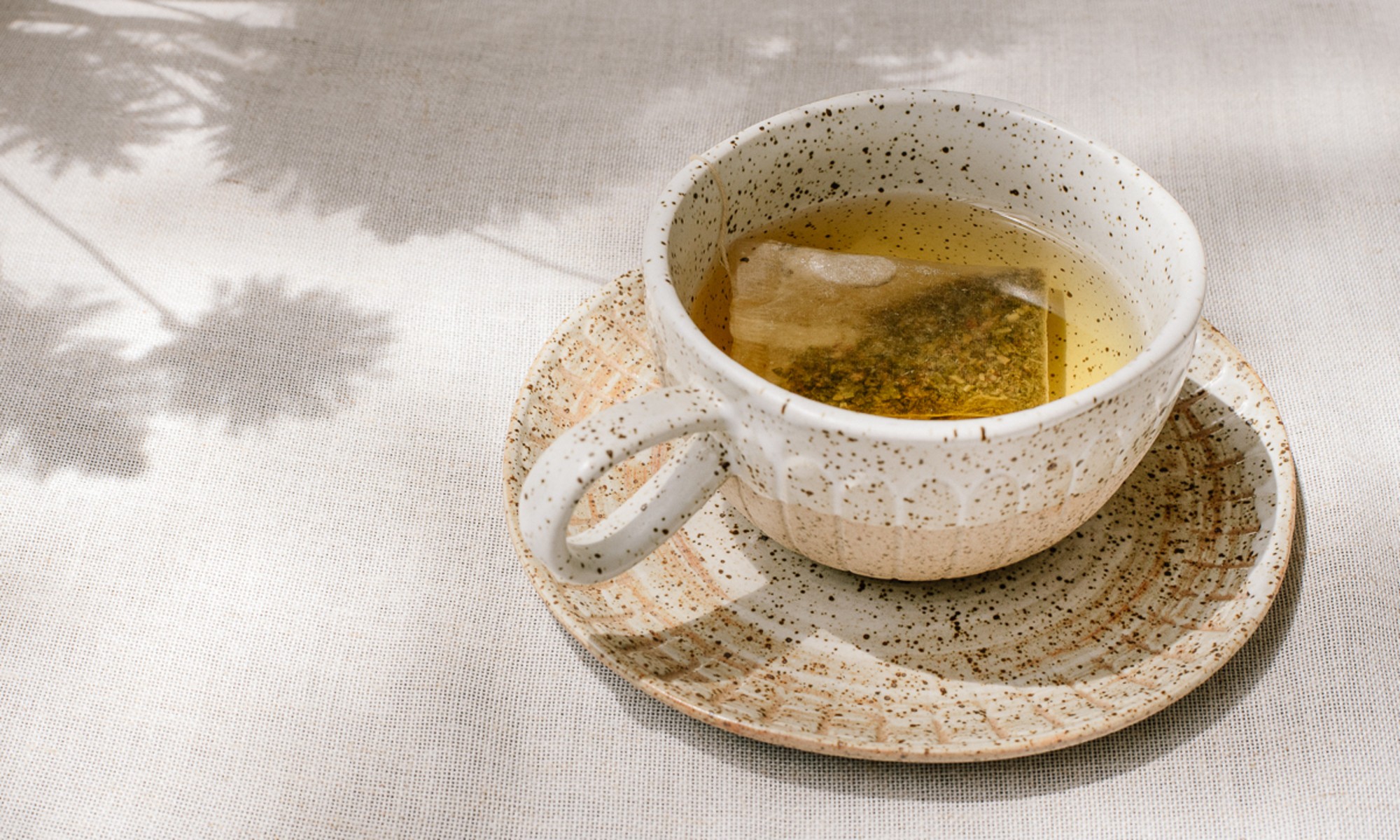
Oolong tea, a staple beverage in many Asian cultures, especially China, has a long history and is linked to various health benefits. This article breaks down what oolong tea is, its nutritional profile, how it stacks up against black tea, and ways to incorporate it into your routine.
What is Oolong Tea?
Oolong tea is made from the leaves of the Camellia sinensis plant, the same plant used for green and black teas. What sets it apart is the partial oxidation process: tea leaves are exposed to air, causing them to brown and develop unique flavors. The degree of oxidation determines the tea’s taste, ranging from light and floral to rich and robust.
Oolong falls between green tea (minimal oxidation) and black tea (full oxidation). This makes oolong a middle-ground beverage with a caffeine content of roughly 38.4 milligrams per cup, slightly less than black tea’s 47.4 milligrams. While widely consumed in Asia, oolong can be harder to find in the U.S. compared to other teas.
Nutritional Profile
Oolong tea is very low in calories and offers only trace amounts of vitamins and minerals. However, it’s packed with plant compounds that offer health benefits. A standard cup contains:
- Calories: 2.4
- Carbohydrates: 0.36 grams
- Caffeine: 38.4 milligrams
- Trace amounts of calcium, magnesium, phosphorus, and potassium.
The most important components are polyphenols (theaflavins, theasinensins, thearubigins, EGC, and EGCG) and polysaccharides, which have antioxidant and anti-inflammatory properties.
Five Science-Backed Health Benefits
- Lower Blood Pressure: Research suggests oolong tea may reduce blood vessel inflammation, promoting healthy blood flow. A 2004 study found that those drinking at least half a cup daily had a 46% lower risk of high blood pressure. Newer research in Chinese populations confirms a 10% reduction in risk with regular consumption.
- Potential Anticancer Properties: Compounds like EGCG and ECG in oolong tea scavenge free radicals and protect cells from DNA damage. Some studies indicate it may inhibit tumor cell growth, particularly in oral cancers (a 31% lower risk reported in a 2022 study).
- Heart Health Support: Oolong tea may help reduce dyslipidemia (high blood lipids). A 2014 study showed that drinking over 2.5 cups daily was linked to lower total cholesterol, LDL cholesterol, and triglyceride levels.
- Weight Management Aid: Some compounds may improve fat oxidation and regulate lipid metabolism, potentially aiding weight loss. Though human research is limited, studies suggest oolong tea may prevent fat accumulation.
- Brain Health Boost: Regular tea consumption, including oolong, is associated with a lower risk of depression (13% lower in a 2021 study). The compounds may also protect against cognitive decline by reducing inflammation and cellular damage.
How to Enjoy Oolong Tea
Oolong tea can be enjoyed hot or iced. Given its caffeine content, it’s best consumed in the morning or afternoon. Consistent daily intake (between half a cup and 2.5 cups) may offer the most health benefits.
Here are a few ways to incorporate oolong tea into your routine:
- Drink it as a morning energy booster.
- Brew iced oolong for a refreshing beverage.
- Use it as a coffee substitute in lattes.
Brewing and Storage Tips
Brewing oolong tea can be as simple as steeping loose-leaf tea in hot water for one to five minutes. Some enthusiasts prefer the gong fu style, which involves small pots, concentrated brews, and multiple steepings.
For optimal flavor, store oolong tea in an airtight container in a cool, dry place. Organic oolong is recommended to avoid pesticide residues. Loose-leaf tea can last up to two years when stored properly, while tea bags may last up to three years.
Conclusion
Oolong tea offers a range of potential health benefits thanks to its unique composition of antioxidants and other plant compounds. While more research is needed, current evidence suggests that regular consumption can support cardiovascular health, cognitive function, and weight management. Whether enjoyed traditionally or in modern variations, oolong tea remains a valuable beverage for those seeking a flavorful and health-conscious choice.


