
























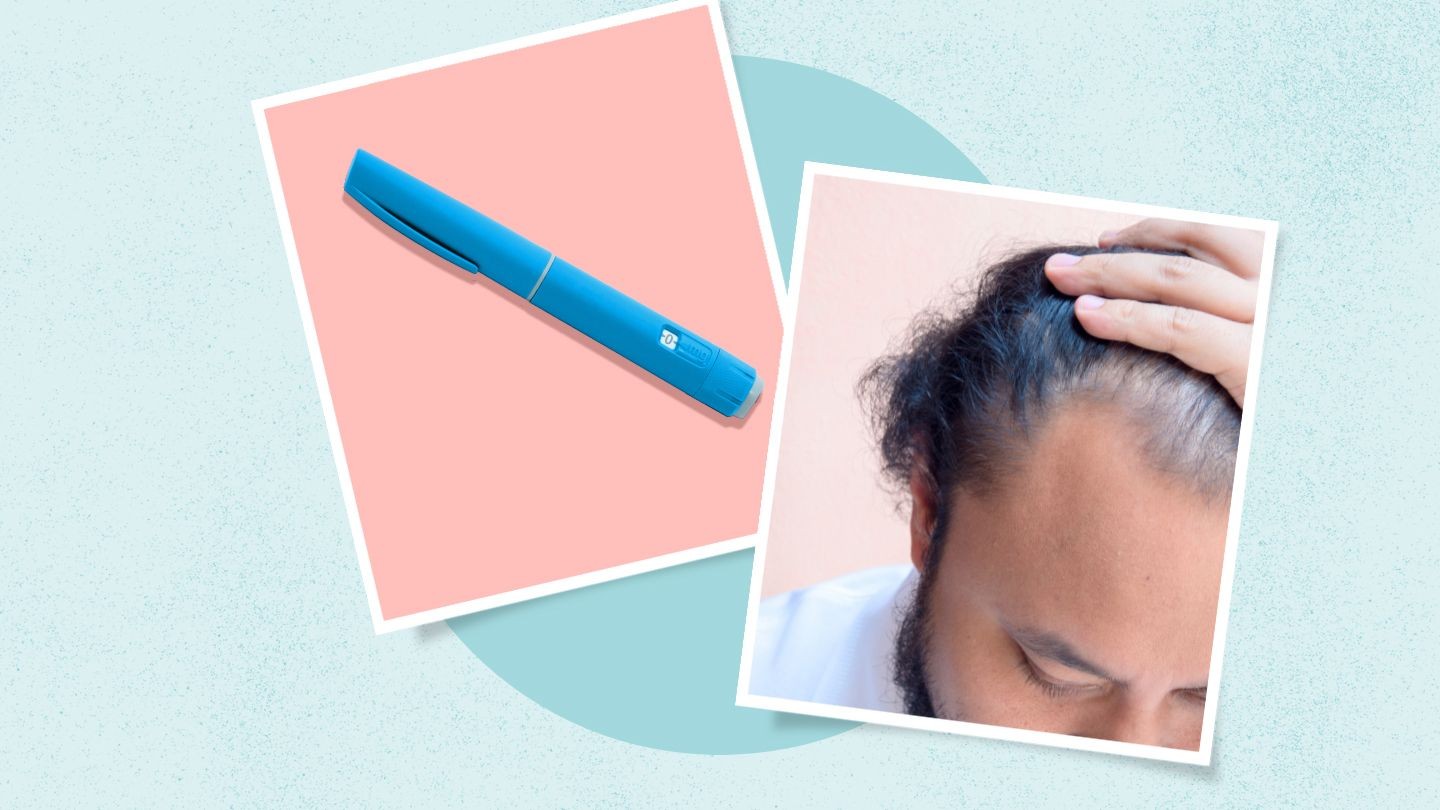
Нові дослідження показують, що люди, які приймають препарати GLP-1 — клас ліків, що широко використовуються для зниження ваги та лікування діабету, можуть відчувати посилене стоншування волосся, особливо протягом першого року прийому. Хоча цей ефект здається поширеним, він зазвичай тимчасовий і часто минає, коли організм адаптується.
Підвищений Ризик Випадання Волосся Підтверджено Масштабним Дослідженням
Дослідження, що проаналізувало медичні записи понад півмільйона дорослих віком від 18 до 89 років, виявило явний зв’язок між використанням GLP-1 та змінами волосся. Через шість місяців пацієнти, які приймають ці препарати, на 26% частіше стикалися з нерубцевим випадінням волосся і на 62% частіше відчували дифузне стоншування волосся. До 12-місячного рубежу ці цифри зросли до 40% і 64% відповідно. Примітно, що дослідження також показало, що ризик стресового випадання волосся, тимчасового, але помітного збільшення випадіння волосся, часто пов’язаного зі швидкою втратою ваги, був на 76% вище.
Ці дані підтверджують попередні повідомлення, але масштаб цього дослідження робить його більш надійним. Дослідники зіставили користувачів GLP-1 з тими, хто їх не використовує, контролюючи вік, стать, расу, ІМТ та статус діабету, щоб забезпечити справедливе порівняння. Дослідження не виявило підвищеного ризику аутоімунного випадання волосся, що говорить про те, що проблема не пов’язана з дисфункцією імунної системи.
Чому це відбувається? Роль Швидкої Втрати Ваги
Найбільш ймовірне пояснення пов’язане з телогеновим еффлювіумом, поширеним типом тимчасового випадання волосся, викликаного фізичним стресом, включаючи швидку втрату ваги. Препарати GLP-1 часто призводять до значного зниження ваги, і ця раптова зміна може змусити більше волосяних фолікулів перейти у фазу спокою, що призведе до їхнього випадання через кілька місяців.
Проте експерти вважають, що справа не лише у втраті ваги. Доктор Адам Фрідман, співавтор дослідження, вказує на інші потенційні фактори: гормональні зрушення, зміну передачі сигналів інсуліном, метаболічний стрес та прямий вплив на функцію волосяних фолікулів. У деяких випадках препарати GLP-1 можуть просто виявляти приховане витончення волосся, яке відбулося б у будь-якому випадку.
Випадання Волос Постійне? І що можна зробити?
Хороша новина полягає в тому, що в більшості випадків випадання волосся, пов’язане з GLP-1, не залишає рубців, що означає, що волосяні фолікули залишаються неушкодженими, і відновлення можливе. Якщо випадання волосся відбувається, воно зазвичай покращується, коли організм стабілізується та харчування оптимізується. Дифузне стоншування волосся, хоч і може прогресувати, піддається лікуванню стандартними методами, такими як міноксидил або антигормональні препарати.
Важливо відзначити : зростання волосся вимагає достатньої кількості калорій, білка та мікроелементів. Лікар Ентоні Россі підкреслює, що занадто сильне обмеження споживання їжі може позбавити волосяні фолікули необхідної енергії.
Якщо ви помітили надмірне випадання волосся під час прийому GLP-1, не припиняйте прийом препарату самостійно. Спочатку обговоріть цю проблему зі своїм лікарем. Він може порекомендувати коригування харчування, оцінку функції щитовидної залози/гормонів або направлення до дерматолога для подальшої оцінки. Варіанти лікування варіюються від місцевих засобів до пероральних препаратів залежно від типу випадання волосся.
Зрештою, випадання волосся, викликане GLP-1, часто можна контролювати. Для багатьох пацієнтів метаболічні та серцево-судинні переваги цих препаратів переважують цей побічний ефект, особливо якщо до нього підходити активно за медичної підтримки.