







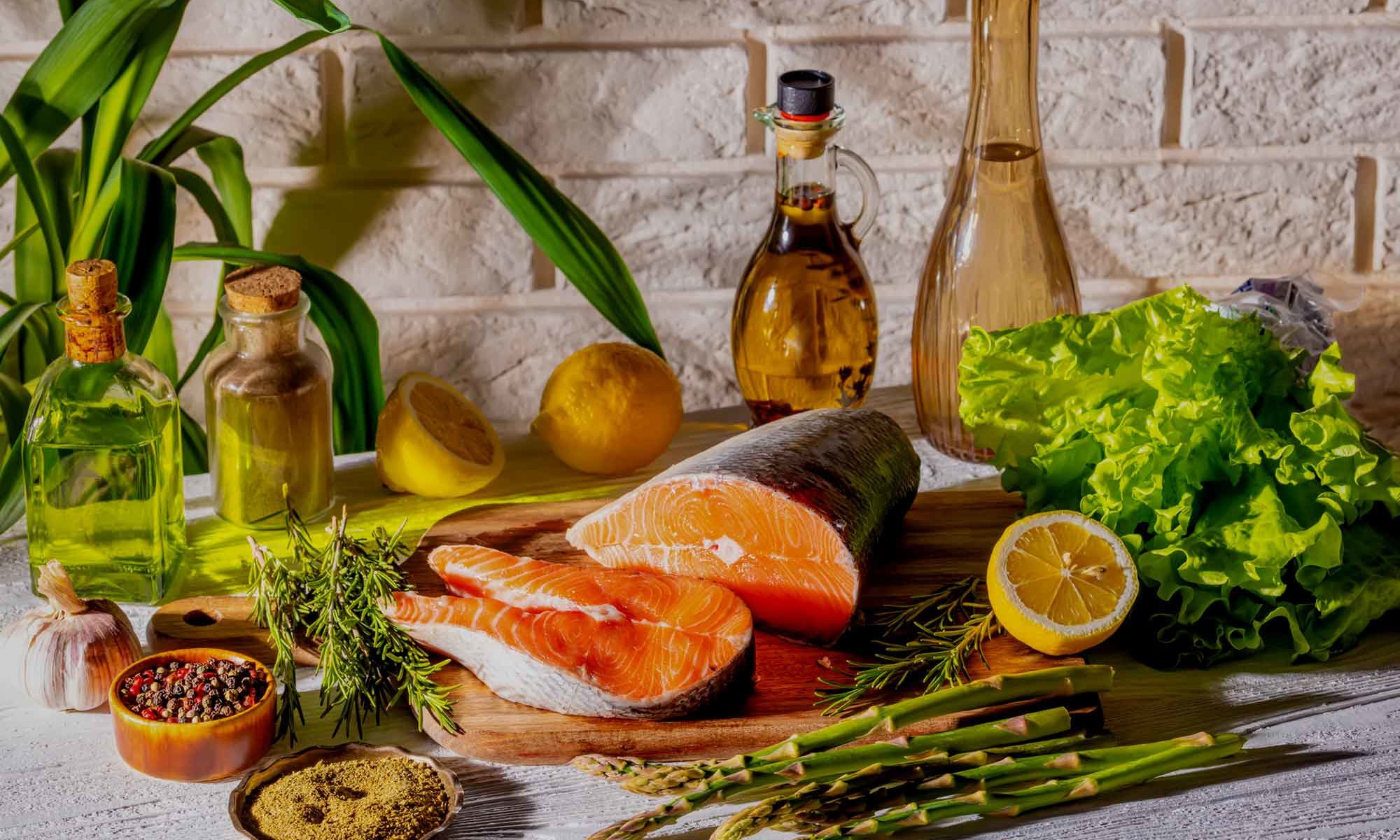
A comprehensive 21-year study involving over 105,000 women has revealed a significant correlation between adherence to a Mediterranean-style diet and a reduced risk of stroke. Published in Neurology Open Access, the research underscores the potential benefits of this well-established eating pattern for women’s brain health, particularly as they age.
The Study Details: A Long-Term Look at Dietary Impact
Researchers followed the health trajectories of 105,614 women with an average age of 53 for over two decades. During the study period, a total of 4,083 strokes occurred – 3,358 ischemic (caused by blocked blood vessels) and 725 hemorrhagic (caused by bleeding in the brain). Participants were assessed on their adherence to a Mediterranean diet using a scale from 0 to 9.
The results indicated that women with the highest adherence scores experienced:
- 18% lower risk of any stroke overall.
- 16% lower risk of ischemic stroke.
- 25% lower risk of hemorrhagic stroke.
This last finding is particularly notable, as hemorrhagic strokes, while less common, tend to be more severe and have received less attention in dietary research.
Why This Research Matters: Filling a Gender Gap in Medical Science
For years, women have been systematically underrepresented in medical research. This study is a critical step toward addressing this imbalance by focusing exclusively on female participants. The scale of the research – both in sample size and duration – makes the findings particularly meaningful for understanding long-term dietary impacts on brain health.
This is important because women experience unique biological changes, such as menopause, that can increase their vulnerability to inflammation and oxidative damage in the brain. The Mediterranean diet, rich in anti-inflammatory compounds, may help mitigate these risks.
What Is the Mediterranean Diet? A Simple Overview
The Mediterranean diet isn’t a strict regimen but rather a pattern of eating inspired by the traditional cuisines of countries bordering the Mediterranean Sea. It prioritizes:
- Abundant vegetables and fruits: Especially leafy greens, which provide folate and antioxidants.
- Whole grains: Replacing refined carbohydrates with fiber-rich options.
- Legumes: Beans, lentils, and chickpeas for plant-based protein and fiber.
- Nuts and seeds: Healthy fats and vitamin E for brain protection.
- Olive oil: As the primary fat source, supporting healthy blood flow.
- Fish and seafood: A few times per week, providing omega-3 fatty acids.
- Moderate amounts of poultry, eggs, and dairy.
The diet minimizes red meat, processed foods, refined sugars, and saturated fats.
Beyond Stroke Prevention: The Broader Health Benefits
The new study builds upon a growing body of evidence linking the Mediterranean diet to numerous health advantages. Landmark research, such as the PREDIMED trial, has shown that this eating pattern can reduce cardiovascular events by up to 30%.
Further research indicates it may also lower the risk of breast, colorectal, and gastric cancers, delay the onset of Alzheimer’s disease, and even aid in weight loss and managing conditions like type 2 diabetes.
Simple Ways to Adopt a Mediterranean Approach
Incorporating the Mediterranean diet doesn’t require drastic changes. Small shifts can make a significant difference:
- Swap butter for olive oil.
- Load half your plate with colorful vegetables.
- Aim for fish twice a week.
- Snack on nuts instead of processed foods.
- Add berries to breakfast.
These adjustments, based on the latest research, may provide meaningful protection over time.
In conclusion, this study reinforces the value of the Mediterranean diet as a powerful tool for supporting women’s brain health and reducing stroke risk. By prioritizing whole, nutrient-rich foods, women can proactively protect themselves against age-related cognitive decline and improve their overall well-being.


