






















Відчуття голоду після їжі є напрочуд поширеним явищем і рідко потребує простої сили волі. Це складна взаємодія між біологією, способом життя та навіть тим, як ви харчуєтесь. Ось п’ять основних причин і те, що ви можете з цим зробити.
1. Дефіцит поживних речовин: сигнал вашого тіла
Просто не вистачає їжі. Ваше тіло потребує поживних речовин, а не лише калорій. Якщо у вашій їжі бракує білка, здорових жирів і клітковини, ви, ймовірно, незабаром знову відчуєте голод.
- Проблема: вживання їжі з високим вмістом простих вуглеводів (солодкі закуски, білий хліб) призводить до швидкого підвищення та зниження рівня цукру в крові, викликаючи відчуття голоду.
- Чому це важливо: Хронічна залежність від порожніх калорій може призвести до переїдання та проблем з обміном речовин.
2. Висока активність: підтримка функціонування організму
Якщо ви фізично активні – займаєтесь спортом, займаєтеся спортом, виконуєте фізичну роботу – ваші енергетичні потреби вищі. Стандартної їжі може не вистачити.
- **Науковий факт: ** м’язи спалюють більше калорій у спокої, ніж жир. Активні люди мають вищий метаболізм, а значить, їм потрібно більше палива.
- Ключ: Вибирайте білок і складні вуглеводи, щоб поповнити запаси глікогену та підтримувати рівень енергії.
3. Розмір порції та сигнали шлунка: фактор об’єму
Через рецептори розтягування шлунок сигналізує вашому мозку про те, що ви ситі. Якщо ви їсте занадто мало, ці сигнали не працюватимуть.
- Рішення: Включіть у свій раціон багатокалорійні продукти, такі як фрукти, овочі та бульйони. Вони наситять вас без зайвих калорій.
- Чому це працює: Відчуття ситості залежить не лише від калорій, а й від фізичного простору в шлунку.
4. Гормональний дисбаланс: зміна почуття голоду та ситості
Гормони лептин (насичення) і грелін (голод) регулюють апетит. Порушення в цих гормонах можуть спричинити відчуття голоду навіть після їжі.
- Винуватці: Поганий сон і хронічний стрес є головними порушниками гормонального балансу. Нестача сну підвищує рівень греліну, а стрес може викликати тягу до шкідливої їжі.
- Виправлення: віддайте перевагу 7-9 годинам якісного сну та керуйте стресом за допомогою медитацій або вправ.
5. Шкідливі харчові звички: свідоме проти несвідомого споживання
Те, як ви їсте, має таке ж значення, як що ви їсте.
- Підводні камені: Надто швидке вживання їжі, відволікання (телевізор, телефон) або не звертання уваги на сигнали насичення можуть призвести до переїдання або постійного відчуття голоду.
- Зміна звичок: Практикуйте уважний прийом їжі – відкладіть телефон, уповільніть темп і смакуйте кожен шматочок.
Практичні стратегії для довгострокового задоволення
Управління голодом після їжі – це не позбавлення, а оптимізація:
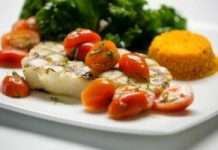
- Збалансуйте свою тарілку: Додайте білок, клітковину та корисні жири до кожного прийому їжі.
- Пріоритет білку: завдяки йому ви довше відчуваєте ситість.
- **Зволоження: ** Пийте воду під час і після їжі, щоб підтримати травлення.
- Усуньте відволікання: Зосередьтеся на їжі, а не на телефоні чи телевізорі.
Коли звертатися до лікаря
Постійне почуття голоду незважаючи на нормальне харчування в поєднанні з незрозумілою втратою ваги, запамороченням, надмірною спрагою або затуманенням зору може вказувати на основне захворювання. При появі цих симптомів зверніться до лікаря.
Голод – це комплексний сигнал. Першим кроком до тривалого задоволення є розуміння її першопричин, а не просто звинувачення себе.