
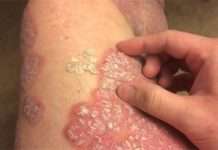

































Psoriasis doesn’t just affect elbows and knees; for many people, it manifests painfully on the hands and feet, significantly disrupting daily life. This condition, often linked to genetics, can cause thick, scaly patches, deep cracks, and intense itching, making simple tasks like walking or typing unbearable.
Understanding Hand and Foot Psoriasis
The most common form, plaque psoriasis, appears as raised, scaly patches that can vary in color depending on skin tone: reddish-pink on lighter skin, and brownish-purple on darker skin. When localized to palms and soles, this is known as palmoplantar psoriasis, characterized by thick, cracked skin that can bleed and become severely painful. Another frequent issue is nail psoriasis, where nails thicken, pit, or even detach, sometimes signaling the onset of psoriatic arthritis. Rarer forms include pustular psoriasis, with small, pus-filled bumps on the palms and soles.
The development of psoriasis in these areas may be linked to Koebnerization : flare-ups triggered by repeated trauma, like rubbing or pressure. The impact extends beyond physical discomfort.
Why the Hands and Feet Matter
Psoriasis on the hands and feet isn’t just about skin; it’s about function and social interaction. Thick skin can make everyday activities difficult, with some patients reporting twice the likelihood of mobility problems. The psychological toll is significant. People with psoriasis on visible areas like hands often face social stigma: reluctance from others to shake their hand, feelings of shame, and increased risk of depression and anxiety. Research shows that those with psoriasis in these locations experience a notably lower quality of life.
The connection between psoriasis and mental health is complex. Inflammation linked to the condition can even trigger neuroinflammation, worsening depressive symptoms.
Modern Treatment Approaches
Treatments have evolved. Traditional topical steroids remain a first-line option, though long-term use can thin skin. Topical vitamin D analogs and retinoids offer alternatives with fewer side effects. Light therapy provides a drug-free option for localized cases. For severe cases, systemic treatments like methotrexate and biologics (injections or infusions) suppress the immune system, though potential side effects require careful monitoring.
The approach is often trial-and-error. Many patients cycle through multiple medications before finding what works. However, newer biologic options have dramatically improved outcomes for some, with reports of near-complete remission in some cases. The key is ongoing communication with a dermatologist to tailor treatment effectively.
Conclusion: Psoriasis on the hands and feet is a debilitating condition that demands effective management. With evolving treatment options and increased awareness, patients can achieve significant relief and reclaim their quality of life. Early diagnosis and personalized treatment plans are essential for long-term success.