







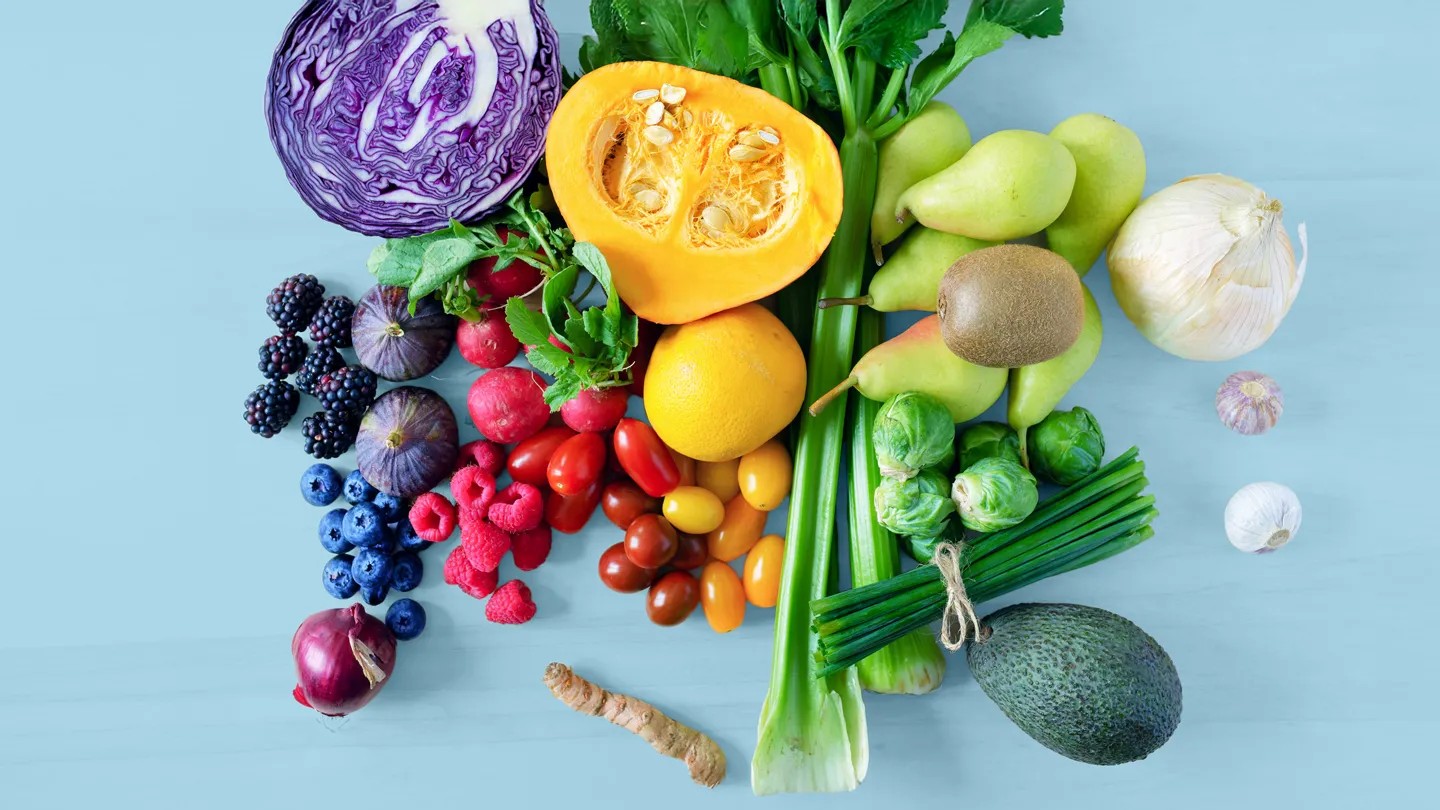
You’ve likely heard about antioxidants, but understanding their role in health doesn’t have to be complicated. These compounds, found naturally in plants, help protect your body’s cells from damage caused by free radicals. While supplements exist, the most effective way to boost your intake is through a balanced diet rich in colorful fruits, vegetables, and whole grains.
What Are Antioxidants and Why Do They Matter?
Antioxidants act as cellular “bodyguards,” neutralizing harmful molecules called free radicals. Your body produces these radicals as a byproduct of normal processes like digestion and exercise, but exposure to pollution, smoke, and UV rays also increases their levels. Too many free radicals lead to oxidative stress, a condition linked to chronic diseases like heart disease and cancer.
There are several types of antioxidants, each with its own unique benefits:
- Phytonutrients: Found in plant-based foods, including flavonoids like flavanols, which support heart health.
- Vitamins: A, C, and E play antioxidant roles in the body.
- Minerals: Copper, manganese, selenium, and zinc contribute to antioxidant defenses.
- Enzymes: Your body creates enzymes like catalase and glutathione peroxidase to combat oxidative stress.
Benefits of Antioxidant-Rich Foods
While research on the direct health effects of antioxidant supplements is inconclusive, a diet rich in these compounds is linked to:
- Reduced risk of cancer
- Improved heart health
- Slower cognitive decline
- Protection against age-related vision loss
It’s worth noting that the benefits may stem from the foods themselves rather than solely the antioxidants. For example, antioxidants in whole foods come packaged with fiber and other nutrients that further support health.
How to Get More Antioxidants in Your Diet
The best approach is simple: eat a variety of colorful plant-based foods.
- Eat the rainbow: Include at least two different colors of produce at each meal. Vibrant colors often indicate high antioxidant content.
- Prioritize fresh or frozen: Frozen fruits and vegetables retain their nutrients effectively.
- Store produce properly: Keep berries refrigerated, tomatoes and stone fruits at room temperature until ripe, and leafy greens crisp by wrapping them in a paper towel.
Here’s a quick guide to antioxidant-rich foods:
- Berries: Blueberries, strawberries, raspberries, and cranberries are packed with anthocyanins.
- Vegetables: Carrots, sweet potatoes, spinach, and kale provide carotenoids.
- Whole Grains: Oats and whole wheat contain polyphenols.
- Nuts and Seeds: Almonds, sunflower seeds, and flaxseeds offer vitamins E and selenium.
Risks and Alternatives to Supplements
While food-based antioxidants are generally safe, high-dose supplements can pose risks. Studies suggest that excessive beta-carotene may increase lung cancer risk in smokers, while high vitamin E doses can interfere with blood clotting.
The FDA doesn’t regulate supplements like drugs, meaning quality control can be inconsistent. If you still choose to use supplements, look for third-party certifications (USP, NSF, or ConsumerLab Approved) and consult your doctor first.
The bottom line: Prioritizing a varied, plant-rich diet is the safest and most effective way to harness the power of antioxidants for long-term health.


