







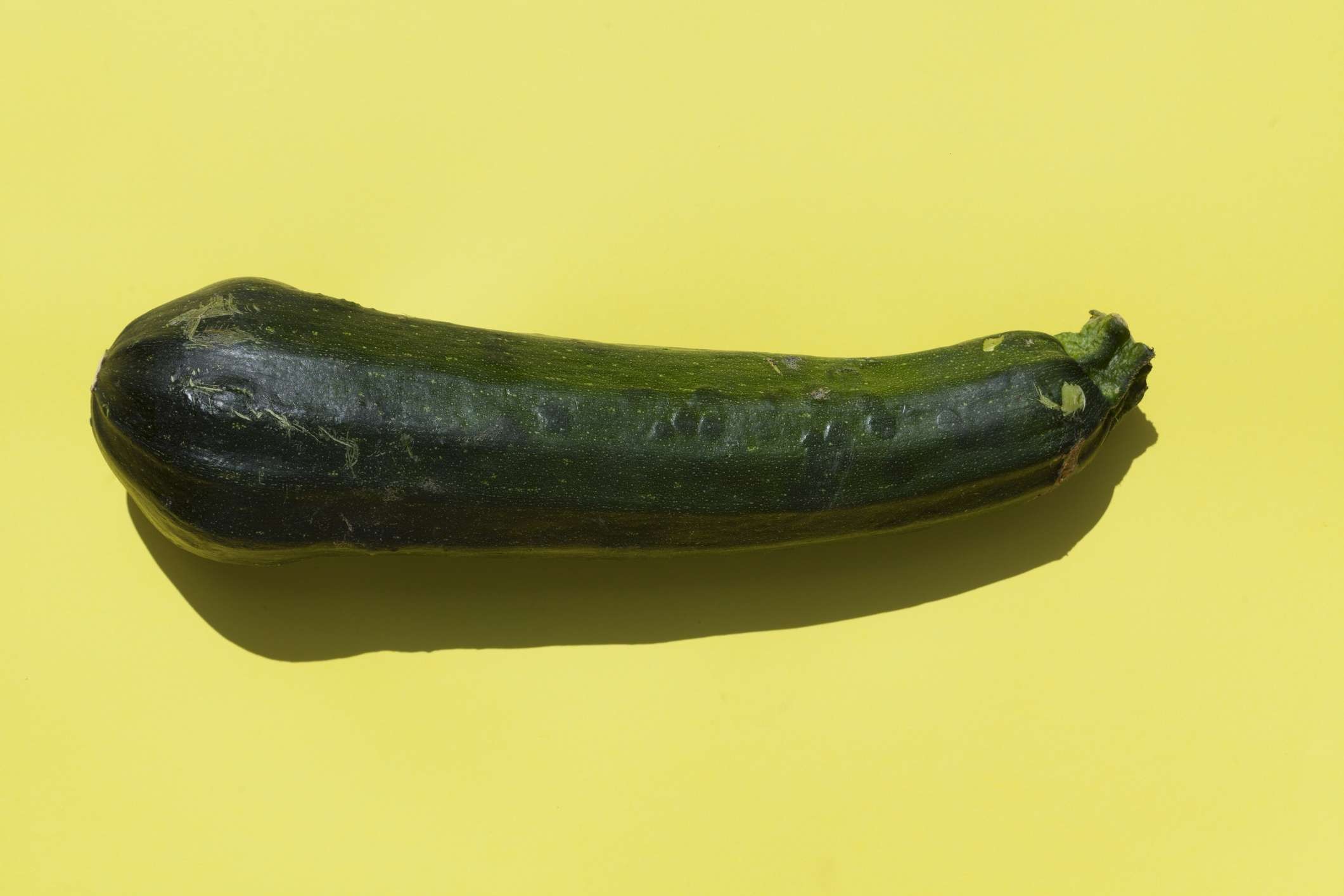
It is a summer staple for a reason. Zucchini might look unassuming, sitting quietly in a bowl of salad or hiding inside a casserole. But this humble squash, Cucurbita pepo, packs a punch.
We often overlook vegetables because they are easy to grow or cheap to buy. That is a mistake. The health benefits of eating zucchini go far beyond filling out a plate. It supports digestion. It aids heart health. It helps manage blood sugar. And it does all this with almost no effort on your part.
Digestive Relief for Regularity
Constipation affects nearly 19% of older adults globally. It is a silent burden that many people just accept as part of aging. Or worse, they ignore the dietary causes.
Dehydration is a major culprit. Zucchini is roughly 95% water. Eating it hydrates the digestive tract from the inside out. But water is only half the story. The fiber adds bulk. This combination encourages regular bowel movements. It keeps things moving.
One cup of chopped zucchini isn’t a fiber miracle on its own. It provides about 1.2 grams. That is 3–5% of the recommended daily allowance (RDA) for women, or less for men. Still, every bit counts. For those struggling with irregularity, adding this watery, fibrous veggie to a balanced diet is a low-stress upgrade.
Antioxidants Beyond the Green
Not all zucchini is green. Yellow zucchini exists, and it is often richer in certain nutrients. But both varieties share a strong antioxidant profile. They are loaded with carotenoids like lutein, zeaxanthin, beta-carotene, and vitamin C.
What does that mean for you?
These compounds fight free radicals. Free radicals cause oxidative stress, which damages cells over time. The result? Inflammation. Premature aging. Potential tumor growth. By neutralizing these threats, zucchini’s bioactive compounds work against multiple health risks simultaneously.
Consider the vitamin C content. One cup delivers 22.2 milligrams. That is roughly 25% of your daily value. Your body cannot produce this vitamin. You must get it from food. Zucchini is an efficient delivery system.
Supporting Cardiovascular Health
Heart disease remains a leading cause of death. Fiber intake is directly linked to improved cholesterol levels. And lower cholesterol reduces cardiovascular mortality risk.
Zucchini fits the bill. It is low in fat and calories but decent in fiber. More importantly, it is a source of potassium. A single cup provides 324 mg of potassium. This mineral helps regulate blood pressure. High blood pressure, or hypertension, puts immense strain on the heart.
Most people do not meet the 38g (men) or 25g (women) daily fiber target. Nor do they get enough potassium. Adding zucchini is an easy way to bridge that gap. It is not a cure-all, but it is a consistent, supportive player in the cardiovascular game.
Weight Loss Without the Suffering
Calorie counting is exhausting. Most diets fail because they require constant restriction. Zucchini offers a loophole.
One cup has just 21 calories.
The high water and fiber content create satiety. You feel full. But you haven’t loaded up on energy. This is key for weight loss. It prevents the binge-and-restrict cycle.
Plus, it is versatile. Spiralized into “zoodles” for spaghetti substitutes, grilled, roasted, or raw in salads. It takes on the flavor of whatever it cooks with. You can eat stir-fries or creamy soups without sacrificing the texture you crave. It is a convenience food for healthy people who want to lose weight without feeling deprived.
Blood Sugar Control for Low-Carb Diets
Glycemic index matters. Foods with a low GI release sugar slowly. Zucchini has a low GI. It contains minimal carbohydrates and sufficient fiber to slow digestion.
One cup offers only 3.9 grams of carbs and 1.2 grams of fiber. This combo prevents spikes. Stable blood sugar means steady energy. No crashes. No cravings an hour later.
This makes zucchini a hero for low-carb diabetics or those simply trying to avoid insulin spikes. Think about pasta. One cup of cooked spaghetti has 38.3 grams of carbs. One cup of zucchini noodles has under 4. The difference is staggering. You can enjoy the experience of pasta without the metabolic consequence.
Nutritional Breakdown: What Is Actually in It?
Nutritionists emphasize that variety is key. But let’s look at what you get from one cup (124g) of chopped zucchini:
- Calories: 21
- Fat: 0.4g
- Carbohydrates: 3.9g
- Fiber: 1.2g
- Protein: 1.5g
- Potassium: 324mg (9.5% DV)
- Vitamin C: 22.2mg (24.7% DV)
- Manganese: 0.22mg (9.6% DV)
- Magnesium: 22.3mg (5.3% DV)
- Phosphorus: 47.1mg (6.7% DV)
- Sodium: 9.9mg
- Added Sugars: 0g
It is a clean profile. High in micronutrients. Low in everything else that usually causes inflammation.
Potential Risks to Consider
Is it perfect? No food is. Zucchini is generally safe for healthy adults. But there are nuances.
Eating large amounts can cause digestive distress. Bloating. Gas. If your system isn’t used to that much fiber, ease into it.
Then there is the bitter taste. Zucchini can contain cucurbitacins. These are bitter compounds that can be toxic in high doses. Normally, commercial zucchini has low levels. But if your squash tastes intensely bitter, do not eat it. That bitterness signals higher cucurbitacin levels. Symptoms can include nausea, vomiting, and irregular bowel movements if consumed in quantity.
Also, hygiene matters. The surface can harbor bacteria. Wash it thoroughly before eating.
And finally, allergies. Those sensitive to the Cucurbitaceae family should avoid it. If you have a history of kidney issues, monitor your electrolyte intake. Zucchini is high in potassium. If your kidneys cannot process electrolytes efficiently, consult a registered dietitian before making it a staple.
The Verdict
Zucchini is not a magic bullet. It will not erase a lifetime of poor eating habits. But it is a powerful tool.
It hydrates. It fills. It protects cells. It supports the heart. In a world of processed convenience foods, it offers a refreshing simplicity.
So, the next time you see a pale green squash at the market, grab a few. Spiralize them. Sauté them. Eat them raw. Your body might not thank you immediately. But it will appreciate the quiet support.


