



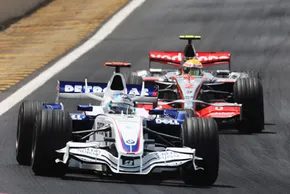
Open-wheel racing is a beast in itself. These cars were light, one-person machines. The wheels protrude from the body of the car. There are no fenders to hide it like regular cars or commuter cars. This design is not just for aesthetic purposes. It defines the class.
F1 is at the top of this pyramid. This is the peak. You have the best drivers in the world. They drive the most powerful and technically complex cars ever built. Winning the championship means you are the number one driver in the world. No one wins by just jumping into the cockpit. This will take years. Thousands of kilometers are driven in several different classes before the drivers take the ultimate test.
Feeder System Explained
Most of today’s F1 stars did not start in the main series. They have established themselves in the lower formula categories. Think of these series as your proving grounds. Drivers are honing their skills. If they are good enough, they can earn a place in one of ten F1 teams. It is a pipeline. A strict hierarchy of skills and experiences.
Rules That Raise the Stakes
You might think that strict regulations would kill the excitement. This is not true. It does just the opposite. These rules prioritize the raw skill of the driver and the efficiency of the car.
Formula driving is defined by specific formulas. These rules apply to the car’s configuration and race conduct. In F1, the rules are divided into two different groups.
Sporting regulations govern the race itself. How it starts. How it ends. The same goes for the middle part.
Technical regulations get into the nuts and bolts. Engine specifications. Transmission details. Suspension settings.
These limitations emphasize engineering excellence. Names like McLaren, Ferrari and Lotus are more than just racing teams. They are synonymous with the automotive brilliance. The season championships are awarded to drivers and manufacturers. Rules force innovation. They force mastery.
Beyond Formula One
Americans often confuse open-wheel racing. They think of the Indianapolis 500. This event is part of the Indy Racing League (IRL). This includes the IndyCar Series and the Indy Pro Series. This is primarily an American sport. This is not F1.
Then there is the Champ Car World Series. Formerly known as CART. It features international drivers. It mainly runs on tracks largely in North America. It exists independently of the F1 ecosystem.
So, how do you get from a go-kart to an F1 grid? You follow the feeder series. You learn to handle the downforce. You manage tire wear. Respect technical limitations. The road is long. The competition is tough. And there is no margin for error.