




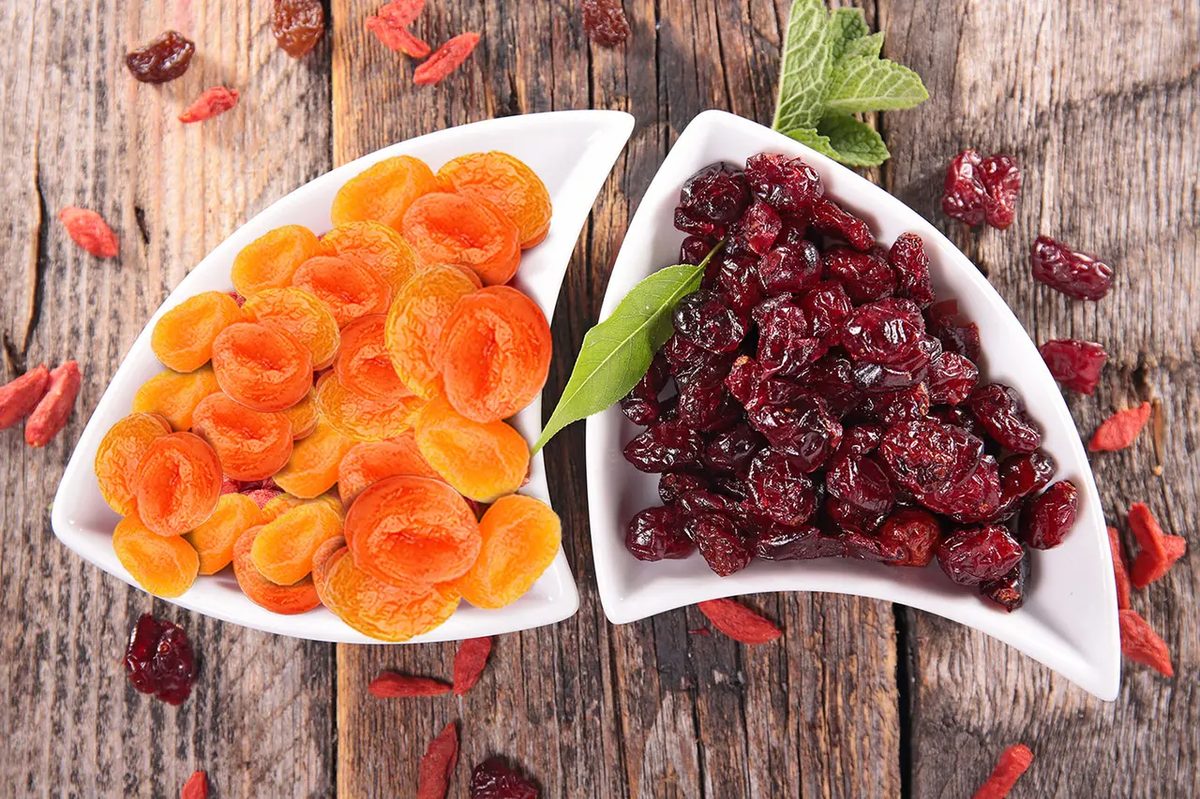
Cranberries are tiny, tart, and surprisingly potent. They pack a punch of organic acids, including citric acid and ascorbic acid—better known as vitamin C. But the real story lies in their flavonoids. These are polyphenols, molecules celebrated for their antioxidant properties. That alone suggests why this fruit has been a staple in health discussions for decades.
The question everyone wants answered is simple: does it work?
The Evidence on Urinary Tract Infections
Let’s look at the clinical data. Researchers aren’t guessing. In 2002, a study conducted in Canada tracked 150 women over the course of a full year. The setup was straightforward. One group drank cranberry juice. Another took cranberry tablets. The third group received a placebo.
The results were clear. Both the juice and the tablets outperformed the placebo. They didn’t just offer marginal gains. They significantly reduced the risk of urinary tract infections (UTIs) and lowered the likelihood of recurrence.
This wasn’t an isolated incident. The study provided concrete evidence that cranberry products can be more than just a folk remedy. They offer a measurable defense against common bacterial infections.
Beyond Infections: Heart and Cancer
Recent research has expanded the scope beyond bladder health. Scientists are now looking at the broader impact of those high antioxidant levels. Early findings suggest a cardioprotective effect. The compounds in cranberries may help protect the heart.
There is also emerging data pointing toward anticancer properties. While these results are promising, they are still being studied. The antioxidant capacity is significant, but it’s not a magic bullet. It’s one part of a larger health picture.
What This Means for You
You don’t need to consume gallons of juice. The 2002 study showed effectiveness with consistent use over a year. Whether through juice or supplements, the active compounds remain present.
The science supports cranberry as a viable option for preventing UTIs. It also hints at broader benefits for heart and cellular health. But don’t expect miracles. Think of it as a strategic addition to your routine, backed by solid clinical trials rather than just tradition.