




The global pharmaceutical industry recently faced a reckoning over N-nitrosodimethylamine (NDMA), a probable carcinogen found in several blockbuster medications. In a move that drew significant public scrutiny, regulatory bodies pulled billions of dollars’ worth of drugs from shelves because they exceeded safety limits for this contaminant. Yet, a closer look at the data reveals a startling inconsistency: the same contaminant exists in far higher concentrations in common food items, particularly grilled poultry and processed meats, which remain widely available.
The Pharmaceutical Crisis
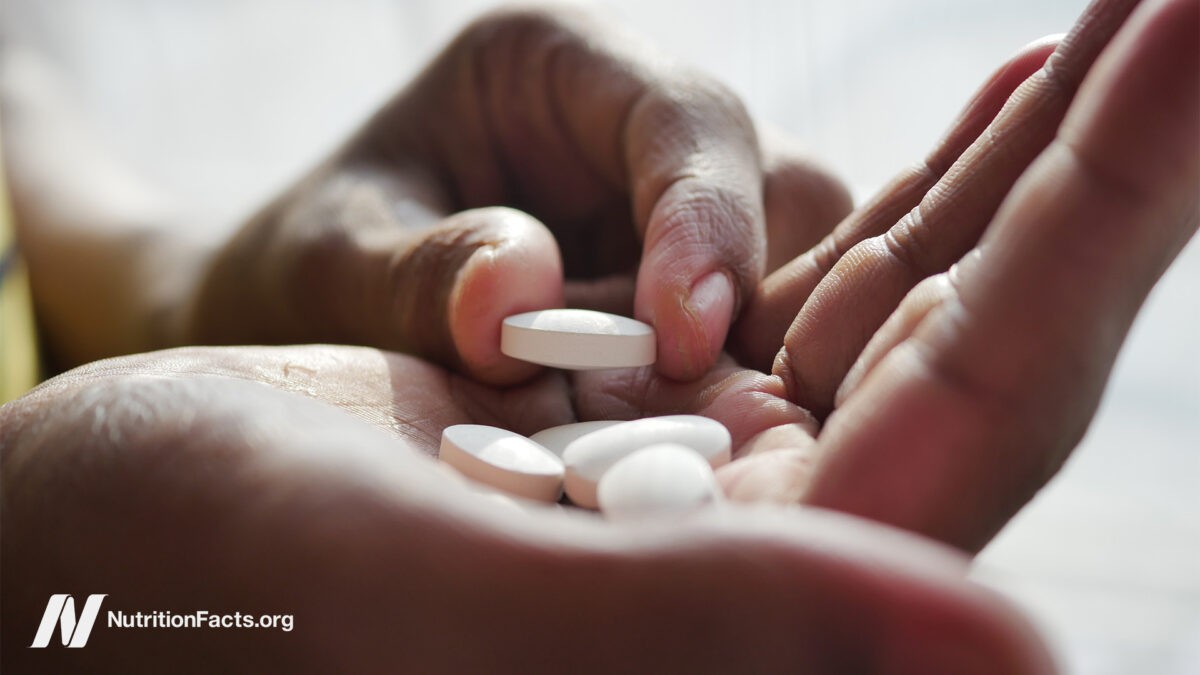
The controversy began in 2018 when valsartan, a widely prescribed blood pressure medication sold under the brand name Diovan, was found to contain NDMA. This contaminant is known to be more potent than established carcinogens like asbestos and PCBs. Estimates suggested that approximately 20 million people worldwide had been exposed to tainted versions of the drug.
Regulatory agencies calculated the risk seriously. The U.S. Food and Drug Administration (FDA) estimated that long-term use could cause cancer in 1 in 8,000 patients, while European regulators placed the risk as high as 1 in 5,000. Researchers quickly noted that valsartan was not an isolated incident. Shortly after, NDMA was detected in ranitidine (Zantac), one of the most prescribed acid-reflux medications globally, and later in certain formulations of metformin (Glucophage), a leading diabetes drug.
The situation escalated when tests showed that NDMA levels in Zantac could exceed the FDA’s acceptable daily intake limit of 96 nanograms. Consequently, the FDA mandated an immediate withdrawal of all Zantac products from store shelves. The agency explicitly compared the exposure levels in these drugs to those experienced by eating grilled or smoked meats, highlighting the severity of the contamination.
The Food Connection
If the presence of NDMA in medication was alarming, its prevalence in the food supply is even more pervasive. NDMA is not merely a pharmaceutical byproduct; it is generated during the manufacturing of tires, pesticides, and leather, and it forms naturally during the cooking of certain foods.
Research indicates that NDMA can transfer through the placenta, potentially linking maternal consumption of cured meats during pregnancy to an increased risk of childhood brain tumors. Studies suggest that eating hot dogs may increase this risk by 33%, sausages by 44%, and bacon by as much as 60–70%.
However, the most direct comparison lies in poultry. While raw poultry contains no detectable NDMA, the compound forms during dry-heat cooking methods like grilling or broiling. A single serving of grilled chicken can contain more than 100 nanograms of NDMA. To put this in perspective:
- FDA Safety Limit: 96 nanograms per day.
- Half a Chicken Breast: ~110 nanograms.
This means that consuming just half a grilled chicken breast exceeds the daily safety threshold that triggered the removal of multi-billion-dollar pharmaceuticals from the market. Furthermore, the cooking process releases airborne NDMA, meaning even non-meat eaters in grilled meat environments may face significant exposure.
The Regulatory Discrepancy
The parallel between the tobacco industry and the pharmaceutical recalls offers a clear ethical framework. Regulators previously pressured tobacco companies to remove nitrosamines from cigarettes, arguing that there is “no logical reason why a removable carcinogen should be allowed to remain in a consumer product.” This same logic justified the ban on Zantac.
Yet, this consistency breaks down when applied to food. If a drug is pulled for exceeding the 96-nanogram limit, why are food items that routinely exceed this limit still sold without restriction? The disparity raises critical questions about how risk is assessed across different industries. While pharmaceutical contaminants are often viewed as manufacturing errors that can be controlled, food-based NDMA is treated as an inherent risk of cooking—a distinction that may not hold up under strict scientific scrutiny.
Key Takeaway: The removal of drugs like Zantac was based on strict adherence to safety limits regarding NDMA. However, common dietary habits, particularly the consumption of grilled meats, often result in higher exposure to this carcinogen than the contaminated drugs that were banned.
Conclusion
The NDMA controversy highlights a significant gap in public health policy. While regulatory bodies acted swiftly to protect consumers from pharmaceutical contaminants, they have yet to apply the same rigorous standards to dietary sources of the same carcinogen. Until food safety guidelines align with pharmaceutical standards, consumers remain exposed to higher levels of NDMA through their daily meals than they would have been through the recalled medications.


