





Wet wrap therapy is a short-term treatment option for severe atopic dermatitis (eczema) in both children and adults. This method aims to rehydrate skin, reduce intense itching, and enhance the effectiveness of topical medications. While it can be highly effective, proper application and monitoring are crucial to avoid complications.
How Wet Wrap Therapy Works
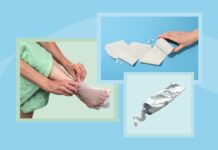
The process involves applying moisturizer and any prescribed medications to the affected skin, then covering the area with warm, damp fabric or gauze, followed by a layer of dry cloth. This creates a barrier that locks in moisture and medication while protecting the skin from scratching. Scratching exacerbates eczema, creating a vicious “itch-scratch cycle,” and wet wraps help break it.
The wraps are typically left on for several hours or overnight. Dermatologists can administer wet wraps in clinical settings, but most patients can perform the therapy at home under medical guidance.
When to Consider Wet Wrap Therapy
Wet wrap therapy is most effective for moderate to severe eczema flares that cause extreme itchiness or pain, especially when covering a large area of skin. It’s often used in conjunction with topical corticosteroids and should not exceed two weeks of continuous use to prevent infection.
Warning: Do not start wet wrap therapy if you observe signs of infection, such as yellowish crusting, pus-filled blisters, fever, or flu-like symptoms. These indicate a worsening condition requiring immediate medical attention. If symptoms appear during wet wrap therapy, stop and consult your doctor promptly. Severe infections can escalate to sepsis, a life-threatening immune reaction.
Wet Wrap Therapy for Children
Studies show wet wrap therapy can reduce eczema symptoms in children by up to 71%, with sustained improvements lasting a month after treatment. For young children, a common approach involves soaking them in a fragrance-free bath, gently drying them, applying medication and moisturizer (such as Vaseline or CeraVe), then wrapping them in wet cotton pajamas followed by dry pajamas.
Doctors recommend this method as a second-line option when traditional topical treatments fail to provide relief, or as a temporary solution while waiting for systemic medications to take effect.
Wet Wrap Therapy for Adults
While effective, wet wrap therapy can be cumbersome for adults due to the larger surface area requiring coverage. It’s more practical in hospital settings where assistance is readily available. For outpatients, it serves as a stopgap measure until longer-term systemic therapies become effective.
Risks and Precautions
Though generally safe, wet wrap therapy has potential drawbacks:
- Increased Steroid Absorption: Wet wraps can enhance the absorption of topical steroids, potentially increasing their potency. Discuss this with your doctor.
- Infection Risk: Trapped moisture can lead to inflamed hair follicles and skin infections.
- Compliance Issues: The messy and time-consuming nature of wet wraps may discourage consistent use.
Alternative Approaches
Some dermatologists favor simpler methods, such as the “soak and smear” technique, where medication and moisturizer are applied to damp skin before dry pajamas are put on. The availability of FDA-approved systemic medications may reduce the need for wet wraps in severe cases.
Expert Perspectives
Dr. Jon E. Stahlman, a practicing allergist, emphasizes the importance of consulting a board-certified dermatologist for severe eczema cases. Dr. Yasmine Kirkorian believes simpler techniques can achieve similar results with better compliance.
Conclusion
Wet wrap therapy is a valuable tool for managing severe eczema flares, but it requires careful application, monitoring for infections, and discussion with a medical professional. While effective for many, it may not be the optimal choice for everyone, and alternative treatments should be considered.


