






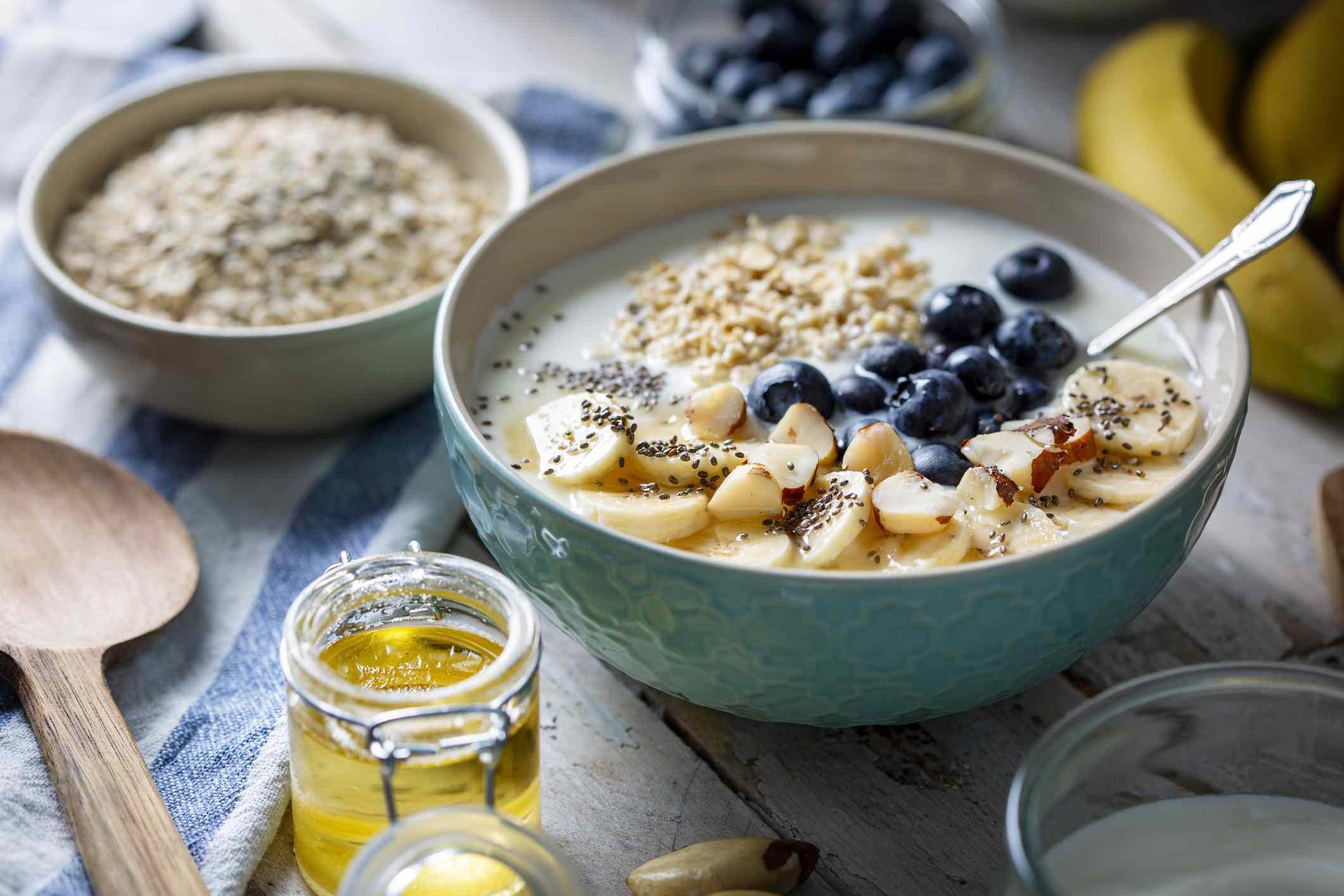
Oatmeal is a popular breakfast, but its impact on blood sugar varies significantly based on how it’s prepared. Understanding these differences can help anyone, especially those managing diabetes, make informed choices for a healthier morning meal.
The Nutritional Breakdown
Here’s a quick comparison of common oatmeal types (values are approximate per serving):
- Steel-Cut Oats: 150 calories, 5g protein, 27g carbs, 4g fiber, 2.5g fat.
- Rolled Oats: 150 calories, 5g protein, 27g carbs, 4g fiber, 2.5g fat.
- Instant Oats: 166 calories, 3.98g protein, 33g carbs, 3.1g fiber, 3g fat.
While the calorie differences are small, the key lies in how these oats are processed. Steel-cut and rolled oats are minimally processed, while instant oats often contain added sugars and lack the same fiber content.
Why Processing Matters
The slower your body digests carbohydrates, the more stable your blood sugar will be. Steel-cut oats take longer to break down due to their coarser structure, leading to a gentler rise in glucose levels. Instant oats, on the other hand, are pre-cooked and often refined, causing a faster spike in blood sugar. This is particularly important for people with diabetes.
According to Dr. Stacy Heimburger of SugarFreeMD, “The less processed oatmeals, such as steel-cut, can reduce your post-meal blood glucose and your insulin response.” This is because the longer digestion time prevents sudden surges in blood sugar.
The Role of Beta-Glucan
Oats are naturally rich in beta-glucan, a soluble fiber with proven benefits for blood sugar control. Beta-glucan slows glucose absorption, preventing sharp spikes after eating. This makes oats a superior choice over many other breakfast cereals, which lack this fiber.
Portion Control and Toppings
Even the healthiest oatmeal can become problematic with excessive portions or unhealthy toppings. Added sugars (maple syrup, brown sugar) will counteract the benefits of slow-digesting oats.
To make oatmeal blood-sugar friendly:
– Measure serving sizes carefully.
– Use natural sweeteners in moderation (berries, cinnamon).
– Avoid processed toppings like flavored syrups.
Conclusion
Choosing steel-cut or rolled oats over instant varieties, paying attention to portion sizes, and limiting added sugars can transform oatmeal from a potential blood sugar spike into a stable, nutritious breakfast option. For individuals with diabetes, these small adjustments can make a significant difference in managing their health.


