






July 15, 2
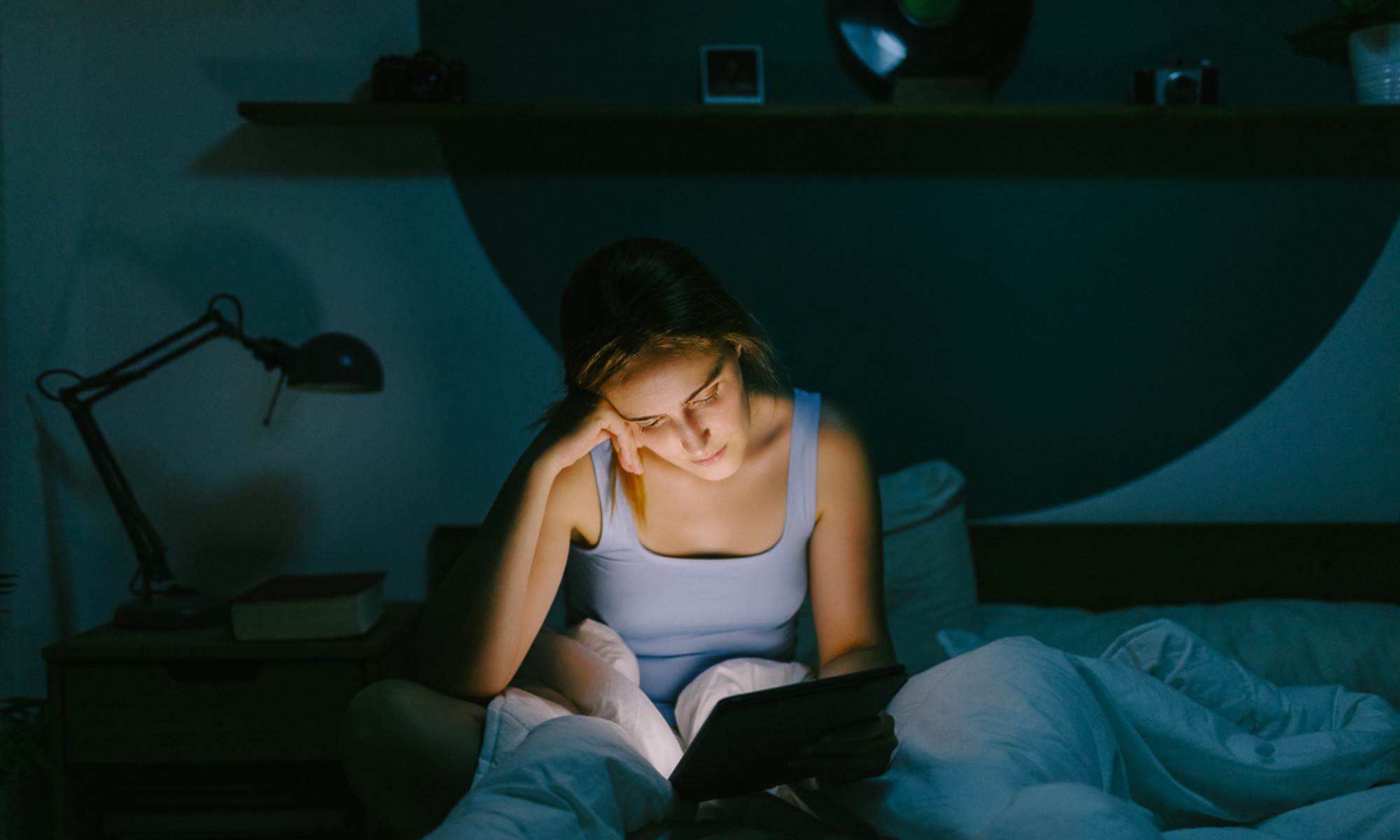
We assume screens ruin our sleep. Fair assumption. But we ignore the other damage.
Ava Durgin
New data suggests the light hitting your retinas after dark isn’t just waking up your brain. It might be accelerating disease in your eyes. Specifically.
The Eight-Year Stare
Forget asking people “how many hours did you watch TV?” That method is broken. People lie or just forget.
This study used data from over 82,00 adults in the UK Biobank. They wore wrist devices. Real sensors. Not guesswork. The trackers measured actual light exposure for a week. Specifically looking at that vulnerable window between 8:00 p.m. and late night.
Then they waited. Almost eight years.
They watched to see who developed cataracts. Or glaucoma. Or macular degeneration. Those big three of eye doom.
They adjusted for everything they could think of. Age. Wealth. Gender. The season it was. Lifestyle. Just about anything except one variable: the sheer brightness of the artificial world around us at night.
The Danger Zone: 1,000 Lux
Here is the hard part.
Participants exposed to very bright evening light—over 1,000 lux—had significantly worse odds. Compared to those in dimmer environments?
The risk for macular degeneration jumped 31%.
Cataracts? Up 18%.
Glaucoma? A staggering 47% increase.
Do you know how bright 1,0000 lux is? Most living rooms are lucky to hit 100-500 lux. You don’t need an office strip light. A really bright TV or a modern LED fixture easily hits those numbers. We live in high-exposure homes now.
Why does this matter? Light stress. Disrupted repair cycles. The eye tries to do nightly maintenance work. Bright light interrupts the shift change.
“It can’t prove direct causation,” researchers will tell you. Correct. It’s observational. But 82,00 people? With objective data? That noise gets loud enough to hear from miles away.
Lower the Lights
We need a better transition into the night.
Stop flipping a switch that keeps every bulb on. It feels lazy to dim lights manually? Maybe. But your retinal health might appreciate it.
Try these adjustments:
- Dim the overheads. Hardly anyone lives like the 1940s now where everything was blindingly bright at night.
- Turn down the brightness slider on your phone. And the laptop. And the TV.
- Enable Night Shift or warm-color modes. The blue light spectrum isn’t the only villain but the sheer volume of lumens is a problem.
- Step into the morning sun. Getting hit by real daylight early sets your clock right. You become less fragile to the evening artificial glare.
Is it a perfect solution? No. You will still see screens. You still work. You still need to navigate your apartment at midnight.
But why do we blast our eyes with office-grade intensity in a space designed for resting?
We accept artificial light. We built our world around it. Maybe the ritual isn’t just about sleeping. It’s about not burning out the hardware.
The sun goes down. Does it have to feel like dawn inside?


