






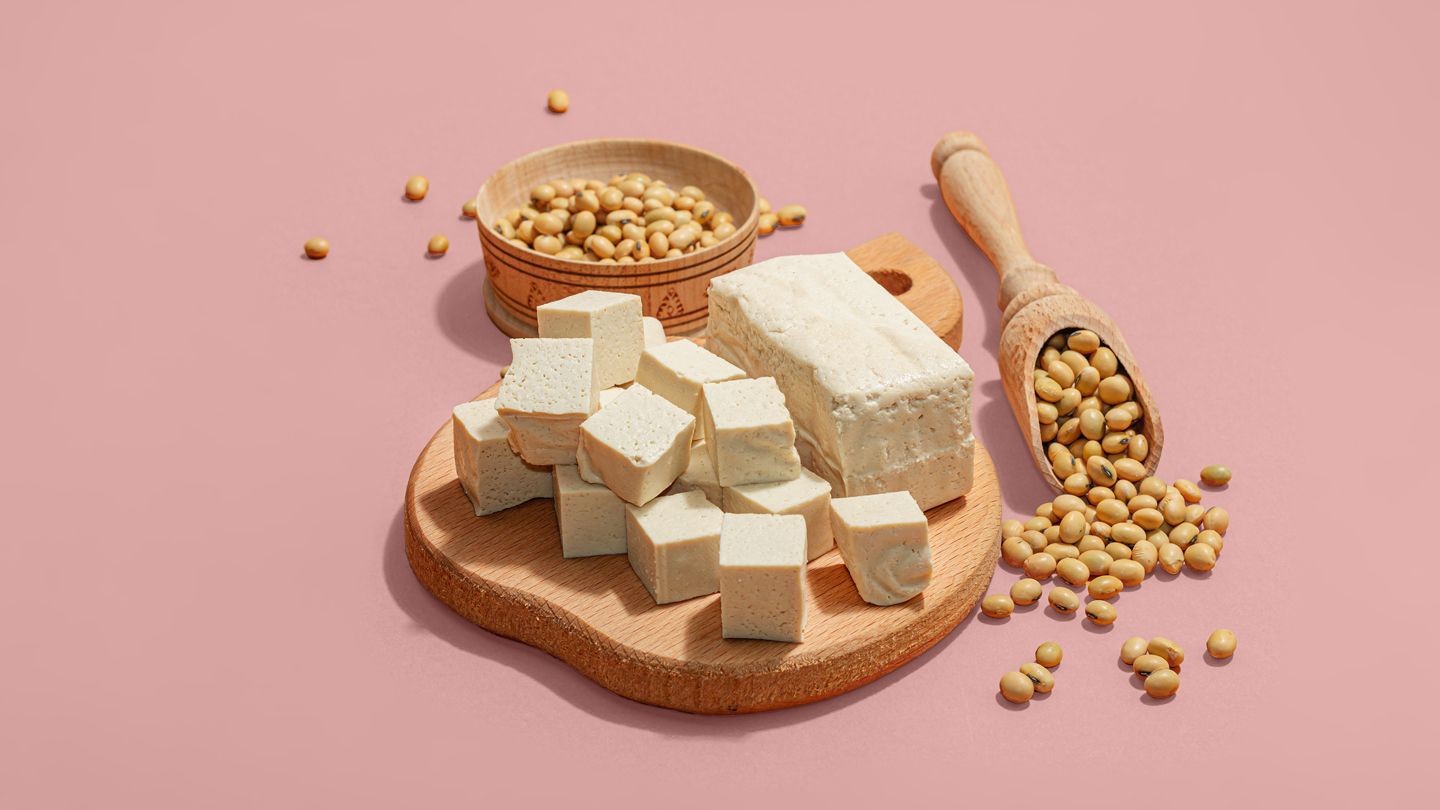
For women experiencing menopause, the search for effective symptom relief is often a complex journey. Hormone replacement therapy (HRT) remains the most reliable option for moderate to severe hot flashes, night sweats, and brain fog, but many seek alternatives due to potential long-term risks like increased cancer or cardiovascular concerns. One frequent question is whether soy, in the form of foods like tofu or supplements, can provide relief. The answer? The research is mixed, and the hype often exceeds the evidence.
The Limitations of Soy as a Treatment
Scientists have studied soy’s impact on menopausal symptoms for decades. While soy contains isoflavones that can weakly mimic estrogen, the effect is inconsistent and varies significantly from person to person. The North American Menopause Society (now The Menopause Society) does not recommend soy foods or extracts, citing “limited or inconsistent scientific evidence” supporting their effectiveness.
Researchers continue exploring soy because of the desire for an estrogen-like substance without the same risks as HRT, such as increased risk of uterine or breast cancer. However, the benefits of soy are weak compared to hormone therapy, and many studies have methodological flaws, including a lack of placebo controls.
What the Latest Research Shows
Recent studies offer conflicting results. Some small trials have suggested that soy-rich diets or supplements may slightly reduce hot flash frequency, but these findings are often confounded by other dietary changes. A 2023 study in Menopause found that a vegan diet with half a cup of cooked soybeans daily reduced hot flashes by 88% in some women, but it’s unclear if soy alone drove this result or if the broader dietary shift was responsible. Other research indicates that combined soy and hop extracts might improve vaginal dryness and fatigue, but again, the specific contribution of soy remains uncertain.
Why Soy Might Not Work as Expected
The key issue is that humans don’t efficiently convert soy isoflavones into active estrogen forms. Unlike some primates, most people don’t process soy into a potent estrogen substitute. Early studies on animals suggested promise, but these results haven’t translated consistently to human trials.
Furthermore, many studies lack rigorous controls. Placebo effects are strong in menopause symptom research, so trials without placebo groups can yield misleading results.
The Bigger Picture: Menopause and Health
Menopause is a natural decline in estrogen and progesterone production. Hormone levels never return to pre-menopausal levels, making symptom management ongoing for many women. While HRT has risks, it can also offer benefits, such as protecting against heart attacks in younger women who start therapy within 10 years of menopause. Newer delivery methods, like estrogen patches, may even reduce cardiovascular risks compared to pills.
Beyond Soy: Lifestyle and Long-Term Health
Although soy may not be a miracle cure, it can still be part of a healthy diet for menopausal women. A balanced, plant-rich diet with regular exercise has proven health benefits, including reducing cardiovascular disease risk. Weight gain, a common issue during menopause, is a more significant cancer risk factor than soy consumption.
There is no evidence that soy increases cancer risk, and it can be a useful protein substitute in a well-rounded diet.
The Bottom Line
Soy might offer mild relief for some menopausal symptoms, but it’s not a replacement for HRT or a guaranteed solution. The science is weak, and results vary. For women seeking effective symptom management, hormone therapy remains the gold standard, while soy can be a safe addition to a healthy lifestyle.


