







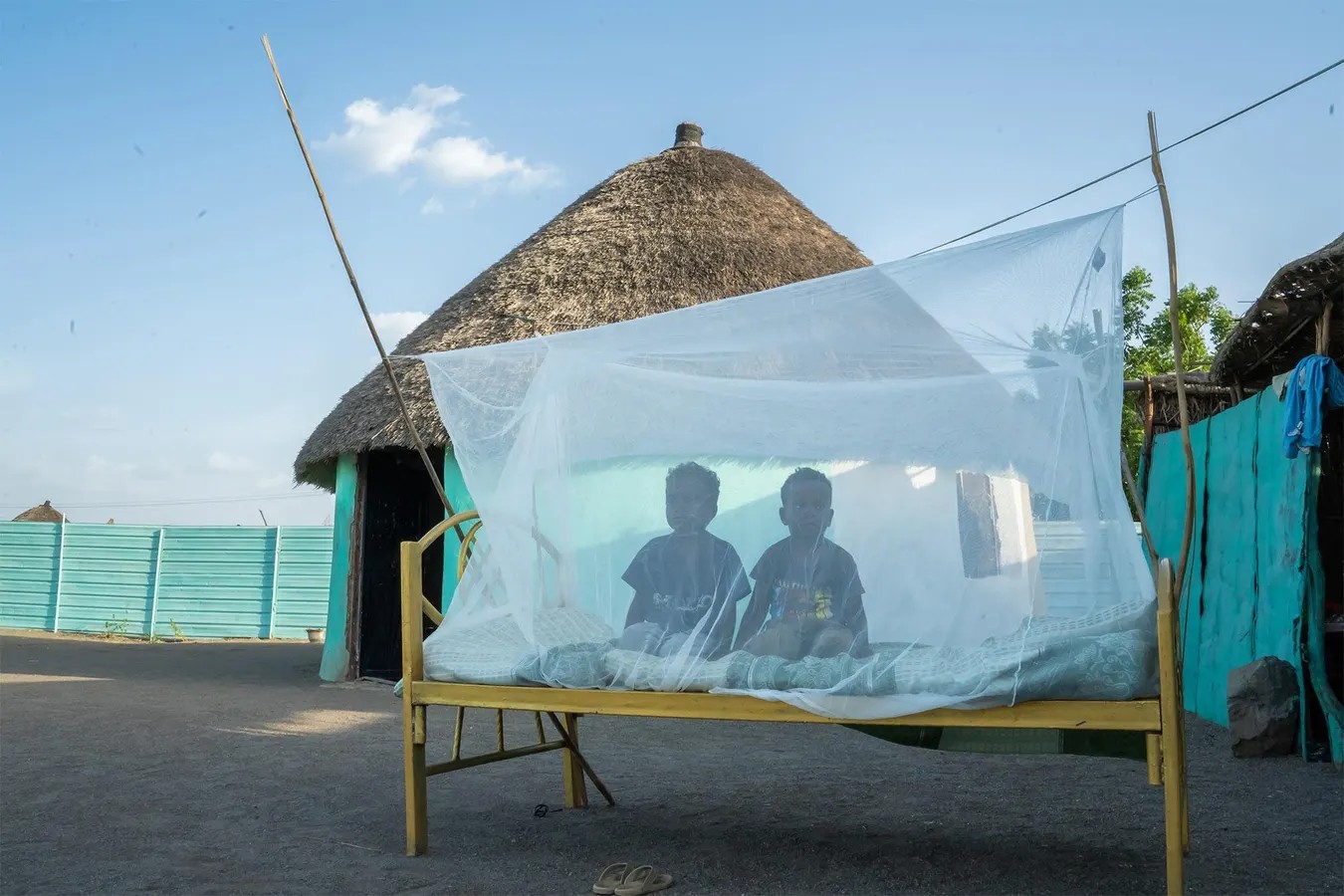
In many of the world’s most volatile regions, the primary threat to life isn’t just the sound of gunfire, but the silent spread of a preventable disease. In conflict zones like Sudan, Yemen, Myanmar, and the Sahel, malaria is emerging as a silent killer that often claims more lives than the fighting itself.
The Conflict-Malaria Cycle
Warfare creates a “perfect storm” for malaria outbreaks through several interconnected factors:
- Displacement and Overcrowding: As millions flee violence, they are forced into overcrowded displacement camps. These settlements are often located in high-transmission areas, lacking the infrastructure to manage disease.
- Collapse of Healthcare Infrastructure: Conflict destroys hospitals, disrupts medical supply chains, and causes health workers to flee. When formal health systems fail, early warning mechanisms—essential for detecting outbreaks—disappear.
- The Malnutrition Link: Conflict-driven food insecurity leads to widespread malnutrition. A malnourished child has a significantly lower chance of surviving a malaria infection.
- Barriers to Treatment: Malaria is highly time-sensitive; survival rates plummet if the parasite is not treated within a few days. In war zones, reaching a clinic or receiving a timely diagnosis is often impossible.
Current Interventions and Challenges
Despite the escalating crisis, humanitarian organizations are working to bridge the gap through unconventional methods. In Sudan, a massive campaign launched in 2025 aims to distribute 15.6 million insecticide-treated mosquito nets to protect approximately 28 million people.
To reach those in the most dangerous areas, health workers are employing creative strategies:
– Mobile Health Units: Clinics mounted on pickup trucks provide testing and treatment in remote camps.
– Integrated Support: Net distribution is being combined with vaccinations and nutritional aid.
– Community Workers: Local volunteers are filling the void left by destroyed formal medical institutions.
The Economic and Moral Paradox
The most striking aspect of this crisis is the disconnect between the severity of the threat and the global response. While malaria is one of the most cost-effective diseases to combat, global funding is currently declining.
This lack of investment creates a dangerous cycle:
1. Economic Stagnation: Intense malaria transmission is incompatible with economic development. When a population is ravaged by disease, labor productivity drops and educational attainment suffers.
2. The Cost of Inaction: It is far more expensive to fight an uncontrolled outbreak than to invest in prevention. Countries that have successfully eliminated malaria, such as Timor-Leste and Suriname, see immediate jumps in health system capacity and economic stability.
3. Cross-Border Risks: Malaria does not respect national frontiers. An uncontained outbreak in a conflict zone can easily spread across borders, turning a localized crisis into a regional catastrophe.
A Call for Resolve
The solution to the malaria crisis is not a mystery; the tools—mosquito nets, rapid diagnostic tests, and effective treatments—already exist. However, the complexity of modern warfare makes the logistics of delivery increasingly difficult.
Addressing malaria in conflict zones is not just a medical necessity; it is a prerequisite for peace and recovery. Allowing the disease to run rampant undermines post-conflict stability and deepens the poverty that often fuels these very conflicts.
Conclusion: While conflict significantly intensifies the lethality of malaria, the disease remains preventable and treatable. The challenge is not a lack of science, but a lack of sustained political will and funding to ensure that life-saving tools reach those caught in the crossfire.


