



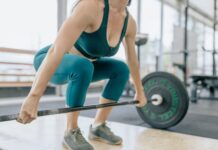


Recent research confirms what many already suspected: strength training is the dominant force in building muscle, especially as we age. While protein intake is crucial, it’s the act of lifting weights that truly drives significant gains in muscle mass, strength, and physical function. Here’s a breakdown of the science and how to apply it.
The Age-Related Muscle Decline
After 50, muscle loss accelerates. We lose roughly 1-2% of muscle mass annually, with strength declining at an even faster rate (1.5% per year, increasing to 3% after 60). This decline, known as sarcopenia, impacts daily function and overall health. The good news is this is preventable.
The Study: A Meta-Analysis of 2,600 Participants
Researchers pooled data from 38 randomized controlled trials, encompassing over 2,600 participants aged 50 and older. They compared three interventions: protein supplementation alone, strength training alone, and a combination of both. The findings were clear:
- Strength Training + Protein: Showed the most significant improvements in lean body mass, muscle mass, muscle strength, and physical function.
- Strength Training Alone: Produced results nearly as effective as the combined approach.
- Protein Supplementation Alone: Provided minimal benefit compared to the other two.
The results showed that combining both interventions did not result in significantly better outcomes than strength training alone.
Why Strength Training Matters Most
Muscle growth (hypertrophy) isn’t just about protein intake; it’s about stressing the muscles. Lifting weights to near failure triggers hormonal responses and neuromuscular adaptations that dietary protein alone cannot replicate. Protein intake, however, plays a vital role in maximizing muscle protein synthesis (MPS) and aiding recovery from training.
Optimizing Protein Intake for Muscle Growth
To maximize muscle protein synthesis, aim for 0.8 to 1 gram of protein per pound of body weight daily. For a 150-pound individual, that translates to 120-150 grams. Distribute this intake evenly throughout the day, consuming at least 25-30 grams per meal, especially within two hours of a strength workout. Prioritize leucine, an essential amino acid vital for activating MPS – aim for at least 2.5 grams per serving. Whey protein isolate is a highly effective supplemental source due to its rapid absorption and high leucine content.
The Bottom Line
Strength training is the primary driver of muscle growth and functional strength after age 50. Protein intake is essential for recovery and maximizing MPS, but it’s the lifting that forces adaptation. Incorporate strength training at least twice a week to combat sarcopenia, maintain mobility, and improve your quality of life. Combining this with adequate protein intake will ensure your body has the building blocks it needs to thrive.


