






Back pain is a pervasive issue, affecting roughly 25% of adults in the United States at any given time. While many attribute this discomfort to poor posture or physical overexertion, a frequently overlooked culprit may be sitting right beneath your feet: your shoes.
Because your feet serve as the foundation for your entire skeletal structure, the way they interact with the ground dictates the alignment of your ankles, knees, hips, and—ultimately—your spine. Choosing the wrong footwear can create a domino effect of misalignment that leads to chronic lower back pain.
The Gold Standard: What to Look For in Footwear
Finding the right shoe isn’t just about style; it is about biomechanics. According to podiatrists, the most effective footwear focuses on three pillars: moderate elevation, shock absorption, and structural support.
1. The “Sweet Spot” of Heel Height
Counterintuitively, perfectly flat shoes are not always the healthiest option. Experts suggest that a slight heel is ideal for maintaining proper pelvic alignment.
– The Ideal Range: A heel height between 1 and 2 inches is considered optimal. This elevation allows the ankle to rotate naturally and helps alleviate pressure on the feet.
– The Danger Zone: Avoid heels exceeding 2 inches. High heels (typically 2.4 to 3.9 inches) can drastically alter your gait, disrupt your balance, and increase the risk of knee injuries and falls.
2. Strategic Cushioning and Shock Absorption
Every step you take sends an impact force up your legs. If your shoes cannot absorb this shock, your spine must.
– Balance is Key: You want a shoe that is neither “totally hard” nor “too soft.”
– Material Matters: Rubber, cork, or wedge-style heels are excellent for absorbing impact.
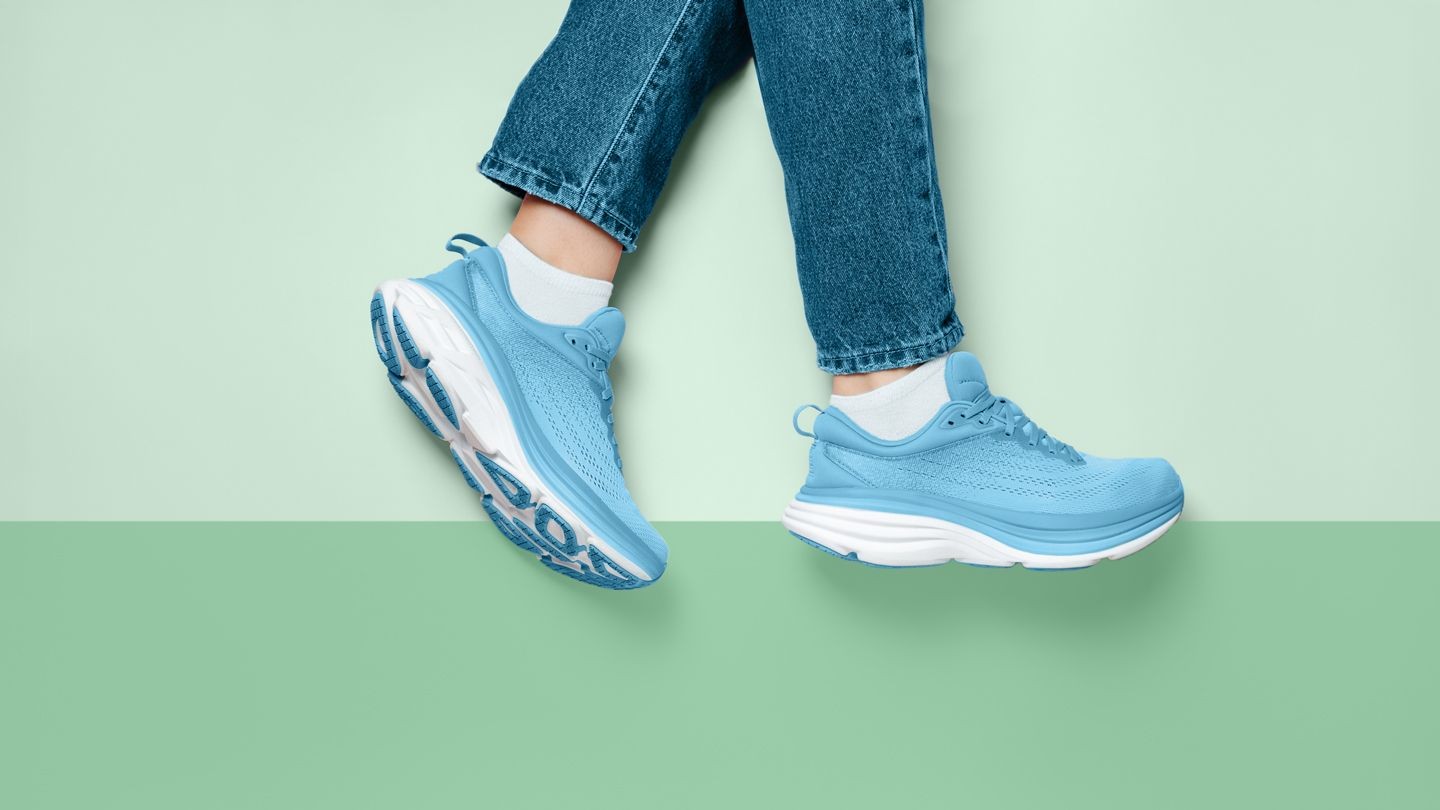
– The “Maximalist” Trend: For runners or those with high arches, highly cushioned “maximalist” shoes can help prevent stress fractures by providing extra protection during heavy impact.
3. Specialized Soles and Arch Support
For certain conditions, the shape of the sole is just as important as the padding.
– Rocker-Bottom Soles: These curved soles facilitate a smoother walking motion, reducing pressure on the joints. They are particularly beneficial for individuals dealing with plantar fasciitis, bunions, or diabetic neuropathy.
– Orthopedic Sandals: While standard flip-flops are generally poor for back health, specialized orthopedic sandals provide the arch support necessary to keep your ankles and knees in proper alignment.
Red Flags: Footwear to Avoid
If you are struggling with back pain, certain popular footwear choices may be actively working against your recovery.
- “Negative Heels” (Flip-Flops and Ballerinas): Most flip-flops and very flat loafers create a “negative heel,” where the heel sits lower than the toes. This can rotate the pelvis into an unnatural position, exacerbating back issues.
- Minimalist/Barefoot Shoes: While popular for certain fitness trends, shoes with extremely thin soles offer little to no protection against impact and can worsen existing spinal misalignment.
- Unsupportive Casual Sneakers: Classic, narrow, flat-soled sneakers (such as traditional Chuck Taylors) often lack the structural support and width required for modern foot shapes, leading to discomfort.
- Excessive Softness: Beware of shoes that rely solely on memory foam or air cushions without a supportive heel; without structure, these can fail to provide the stability your body needs.
Seeking Professional Guidance
Footwear needs are highly individual. Factors such as limb length differences or gait abnormalities mean that a shoe that works for one person may cause pain in another.
If you are looking for professional help, consider these two specialists:
1. Podiatrists: Best for diagnosing underlying medical issues, misalignment, or neurological symptoms.
2. Pedorthists: Specialists trained specifically in fitting therapeutic footwear, orthotic devices, and custom modifications to address foot-care problems.
Note: If your back pain is accompanied by numbness, weakness, or worsening neurological symptoms, consult a primary care physician immediately, as these may indicate more serious underlying medical conditions.
Summary
To protect your back, prioritize footwear with a moderate heel (1–2 inches), adequate cushioning, and proper arch support. Avoid overly flat, thin-soled, or unsupportive shoes like flip-flops and minimalist sneakers, which can disrupt your pelvic alignment and increase spinal strain.


