







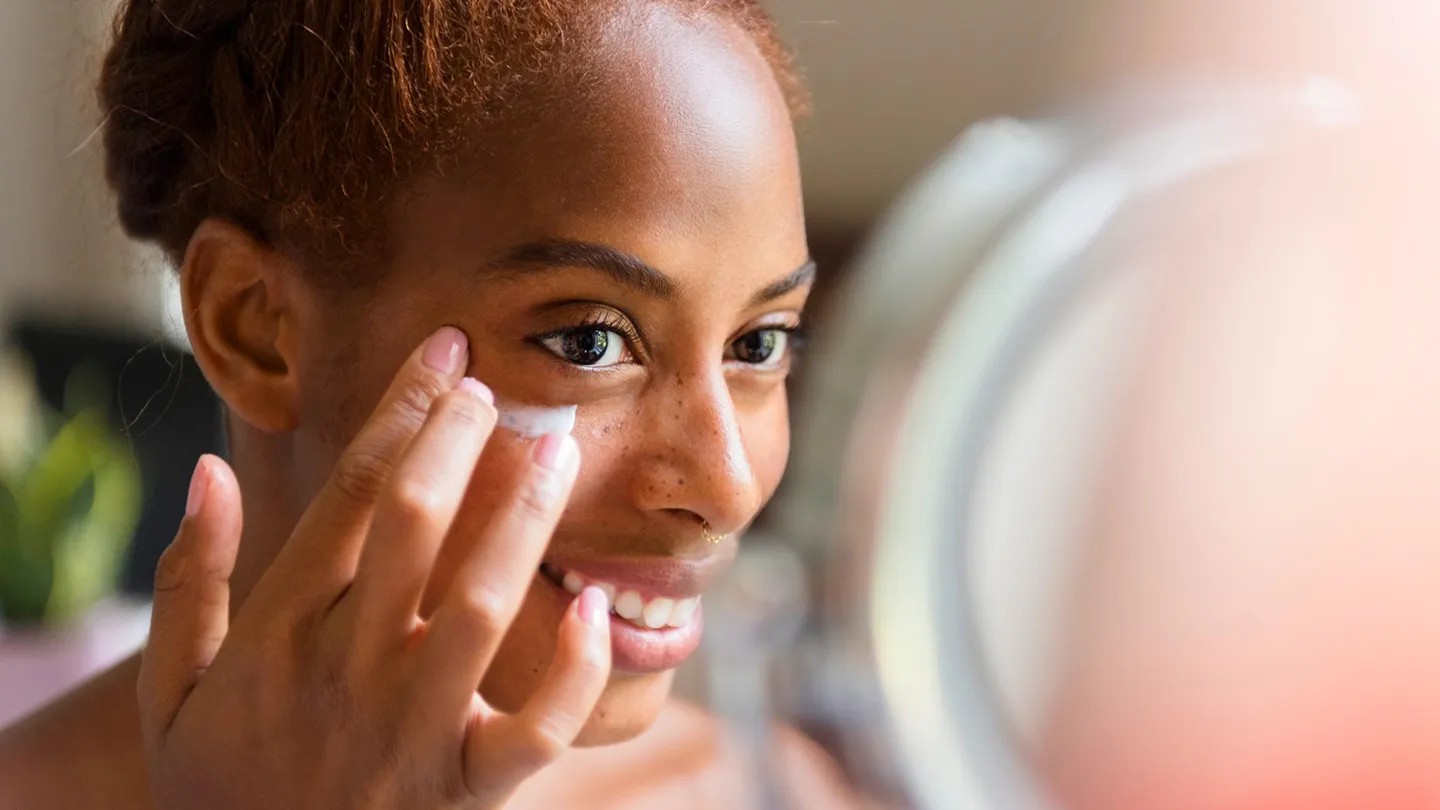
Retinaldehyde, also known as retinal, is gaining popularity as a potent anti-aging ingredient in skincare. While retinoids like retinol and retinyl palmitate require multiple conversions to become active in the skin, retinaldehyde is only one step away from retinoic acid – the form directly used by skin cells. This makes it a stronger option available without a prescription.
How Retinaldehyde Works
Skin cells have receptors for retinoic acid, which retinaldehyde converts into once applied. This triggers increased skin cell turnover, unclogs pores, reduces hyperpigmentation, and stimulates collagen production – leading to smoother texture and fewer fine lines. Some early research suggests potential anti-inflammatory effects against acne-causing bacteria, but more human studies are needed.
Benefits of Using Retinaldehyde
Acne Reduction: Retinaldehyde targets early-stage acne by normalizing skin cell turnover and clearing clogged pores. For severe cases, a dermatologist-prescribed retinoid like tazarotene may be more effective.
Improved Skin Texture & Tone: By accelerating skin cell renewal, retinaldehyde can create a smoother, more even complexion, making it ideal for improving skin texture.
Enhanced Hydration: Certain retinaldehyde formulations, particularly gel-based serums, may help maintain skin hydration while smoothing texture and reducing pigmentation.
Wrinkle Reduction: Clinical trials show that regular use of retinaldehyde serums can significantly reduce the appearance of fine lines and wrinkles within weeks, even for those with sensitive skin.
Potential Side Effects and Precautions
Like other retinoids, retinaldehyde can cause redness, dryness, flakiness, and irritation. These effects depend on concentration; higher doses are more likely to cause discomfort. While marketed as gentler than prescription retinoic acid, it may not be as effective for severe wrinkles or pigmentation.
Important Precautions:
- Pregnancy: Avoid using retinoids, including retinaldehyde, during pregnancy due to potential systemic absorption.
- Skin Conditions: Manage rosacea, eczema, or psoriasis before introducing retinaldehyde to prevent further irritation.
- Sun Sensitivity: Retinaldehyde increases sun sensitivity; always use SPF 30 or higher in the morning.
How to Incorporate Retinaldehyde into Your Routine
Start slowly: use retinaldehyde products two to three times per week, gradually increasing frequency as your skin adapts. Apply at night, as sunlight deactivates the ingredient. Begin with a 0.05% concentration and increase to 0.1% for more potent treatment of acne or severe texture issues.
Application Tips:
- Use a chocolate chip-sized amount.
- Avoid layering with other exfoliants like glycolic acid or vitamin C.
- Apply a water-based hydrator before retinaldehyde, followed by a moisturizer to reduce flakiness.
Retinaldehyde represents one of the strongest vitamin A derivatives available over the counter, offering significant benefits for acne, skin texture, and anti-aging. However, responsible use and caution are key to minimizing side effects and maximizing results.


