







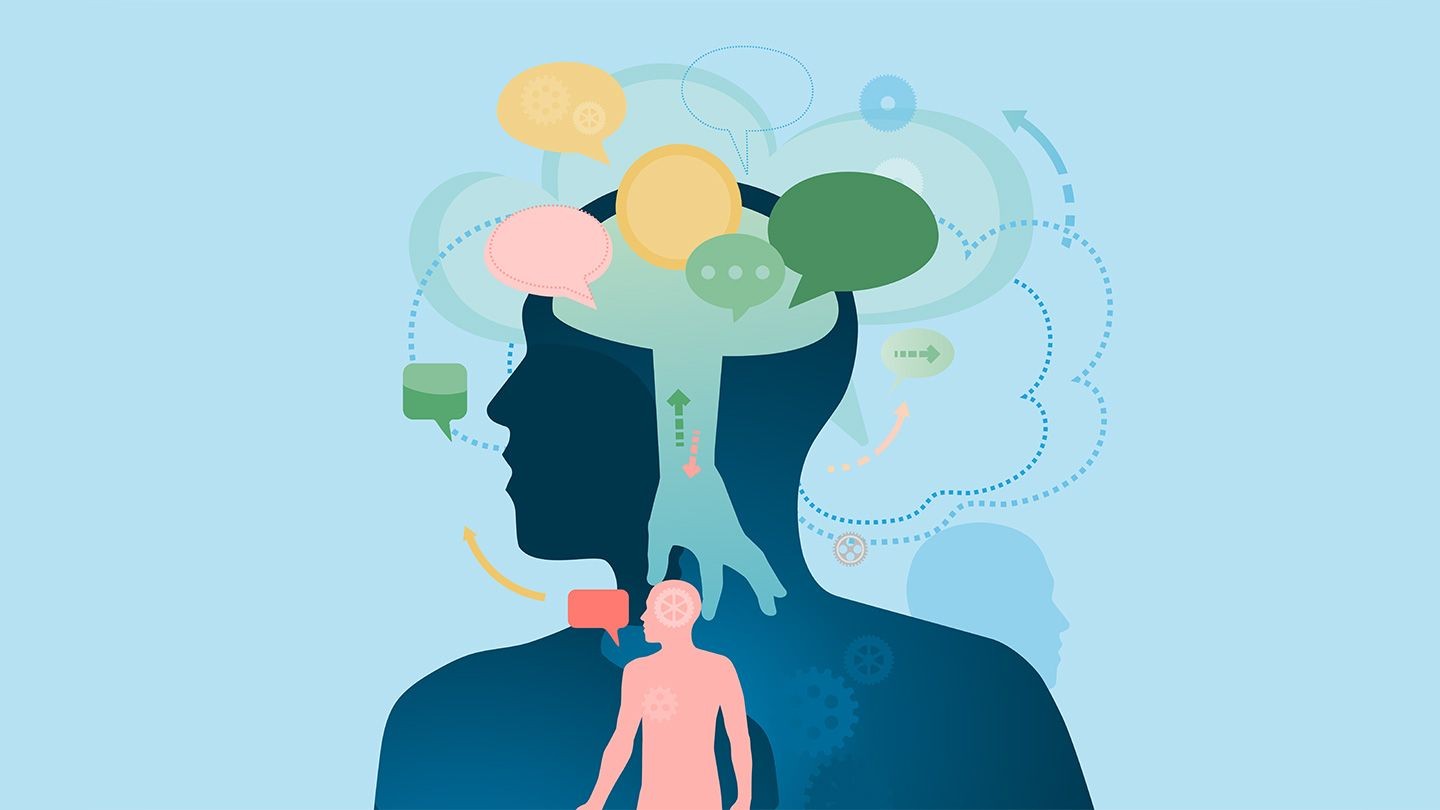
Rejection is a universal experience, yet the fear of it can be paralyzing. Social psychologists confirm that worrying about exclusion is normal, but for some, this fear becomes debilitating, interfering with daily life. This isn’t necessarily the same as clinically diagnosed rejection sensitivity dysphoria (often linked to ADHD), but it can still cause significant distress. The key is understanding how to manage this fear before it controls you.
Why Rejection Hurts So Deeply
The fear of rejection taps into a fundamental human need: belonging. Our brains are wired to seek social approval, and exclusion triggers emotional responses that feel deeply personal. Whether it’s a job rejection, a romantic snub, or even subtle dismissals in everyday interactions, the sting is real. The modern world exacerbates this with constant social comparison and rapid feedback loops (like instant messaging), making rejection feel more frequent and immediate.
Seven Strategies to Build Resilience
If fear of rejection holds you back, here are seven expert-backed tips to help you cope:
-
Treat Yourself with Kindness: The harshest critic is often yourself. Psychologist Ryan Warner suggests adopting the same compassion you’d offer a friend after a setback. Instead of self-blame, ask yourself, “What would I say to someone I care about right now?” and then apply that support internally. This breaks the cycle of negative self-talk.
-
Challenge Your Assumptions: Negative interpretations of social cues can be misleading. Reframing thoughts—a technique from cognitive behavioral therapy (CBT)—involves treating assumptions as hypotheses, not facts. For example, if a text takes long to reply, ask yourself objectively: is this proof of rejection, or could there be another reason?
-
Start Small with Exposure: Just as exposure therapy works for phobias, gradually confronting low-stakes rejection can build resilience. Ask a small favor, offer an opinion in a meeting, or initiate a casual conversation. The goal isn’t to eliminate fear but to prove you can handle discomfort.
-
Reframe Rejection as Feedback: Rejection isn’t necessarily a personal failing; it’s often information about timing, fit, or what needs adjustment. Your brain learns from these experiences, and viewing them as learning opportunities reduces their emotional impact.
-
Cultivate Intentional Connections: Isolation fuels fear. Actively build a support network by scheduling time with trusted individuals, sharing experiences, and seeking honest feedback. This reinforces your value and reminds you that setbacks don’t define you.
-
Celebrate Every Win: Acknowledge even small victories—applying for any job, initiating a conversation, or stepping outside your comfort zone. These wins activate the brain’s reward system, building confidence for bigger challenges. Keep a running list of your accomplishments.
-
Consider Professional Support: If fear of rejection significantly impacts your life, seeking therapy can be invaluable. A therapist may use CBT or exposure therapy to help you develop healthier coping mechanisms.
The Bottom Line
Fear of rejection is a normal human experience, but it shouldn’t dictate your life. By practicing self-compassion, challenging negative thoughts, and gradually facing discomfort, you can build resilience and reduce its power. If your fear is persistent and debilitating, professional support can provide the tools you need to thrive.
Editorial Sources:
Everyday Health follows strict sourcing guidelines to ensure the accuracy of its content, outlined in our editorial policy. We use only trustworthy sources, including peer-reviewed studies, board-certified medical experts, patients with lived experience, and information from top institutions.


