





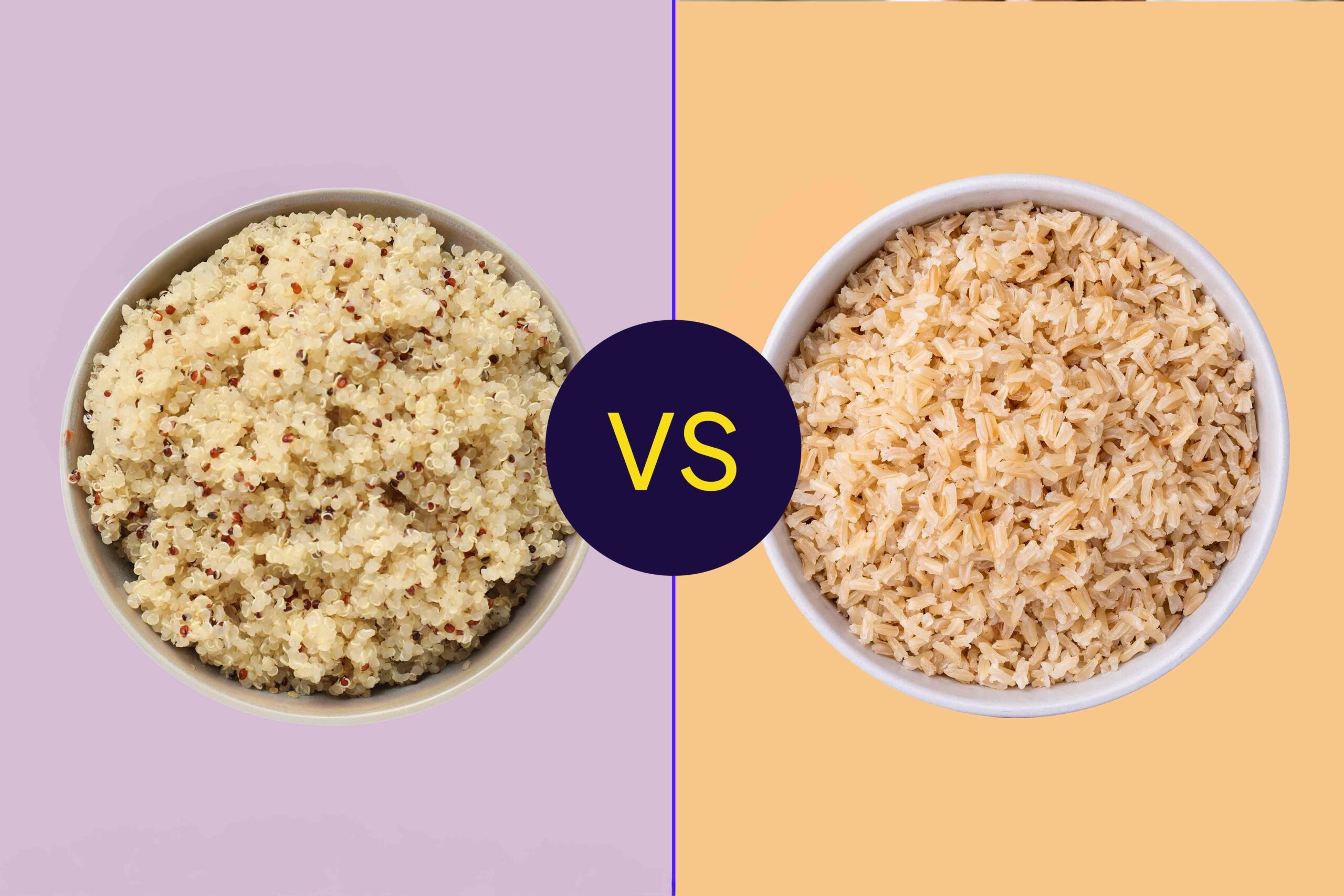
Choosing between brown rice and quinoa often comes down to individual health goals and preferences. Both are nutritious carbohydrates, but they differ in protein, fiber, and micronutrient content. This article breaks down the key differences, explaining why each grain might be better suited for specific needs.
Nutritional Profiles at a Glance
Here’s how brown rice and quinoa stack up per serving (amounts approximate):
| Nutrient | Brown Rice | Quinoa |
|---|---|---|
| Calories | 218 | 222 |
| Protein | 4.5 g | 8.1 g |
| Carbohydrates | 45.8 g | 39.4 g |
| Fiber | 3.5 g | 5.2 g |
| Fat | 1.6 g | 3.6 g |
Quinoa delivers nearly double the protein and more fiber than brown rice. This impacts satiety, digestion, and overall nutrient density. It also boasts higher levels of iron, zinc, copper, magnesium, and phosphorus—minerals vital for energy production and immune function.
Brown rice edges out quinoa in manganese, providing close to the daily recommended intake in a single serving. However, the fat in quinoa is primarily unsaturated, considered healthier for cardiovascular well-being.
Health Benefits: Brown Rice
Brown rice supports stable blood sugar levels, promoting consistent energy release. The fiber content aids fullness, assisting with weight management. Long-term consumption of whole grains like brown rice is linked to reduced chronic disease risk, including heart disease.
- Blood sugar control: The complex carbohydrates in brown rice digest slowly, minimizing spikes in glucose levels.
- Weight management: Fiber promotes satiety, which may help reduce overeating.
- Chronic disease prevention: Whole grains are associated with a lower risk of chronic conditions.
Health Benefits: Quinoa
Quinoa offers similar benefits, but with a protein advantage. Studies show that daily quinoa consumption can lower post-meal blood sugar, LDL cholesterol, and HbA1c (a measure of long-term blood sugar control) compared to white or brown rice.
- Blood sugar & cholesterol support: High fiber and protein slow digestion, stabilizing blood sugar.
- Complete protein: Quinoa contains all nine essential amino acids, supporting muscle health and fullness.
- Micronutrient density: Provides key minerals like iron, magnesium, zinc, and phosphorus, aiding energy production and immunity.
Key Differences & Considerations
Brown rice is a whole grain—white rice with the bran, germ, and endosperm intact—giving it a mild, nutty flavor and chewy texture. Quinoa, technically a seed, is a complete protein source with a light, fluffy texture. Both are naturally gluten-free, making them suitable for gluten-sensitive diets.
Price and availability are often deciding factors. Brown rice is typically more affordable and easier to find in grocery stores. The biggest distinctions remain protein content, fiber levels, micronutrient profiles, and cost.
Making the Right Choice
Both brown rice and quinoa can be part of a healthy diet.
- Choose brown rice if you prefer a familiar, budget-friendly whole grain that works well in traditional rice dishes.
- Opt for quinoa if maximizing protein intake, boosting micronutrient levels, or seeking a complete protein source is a priority.
Ultimately, the best choice depends on individual needs and dietary preferences.


