







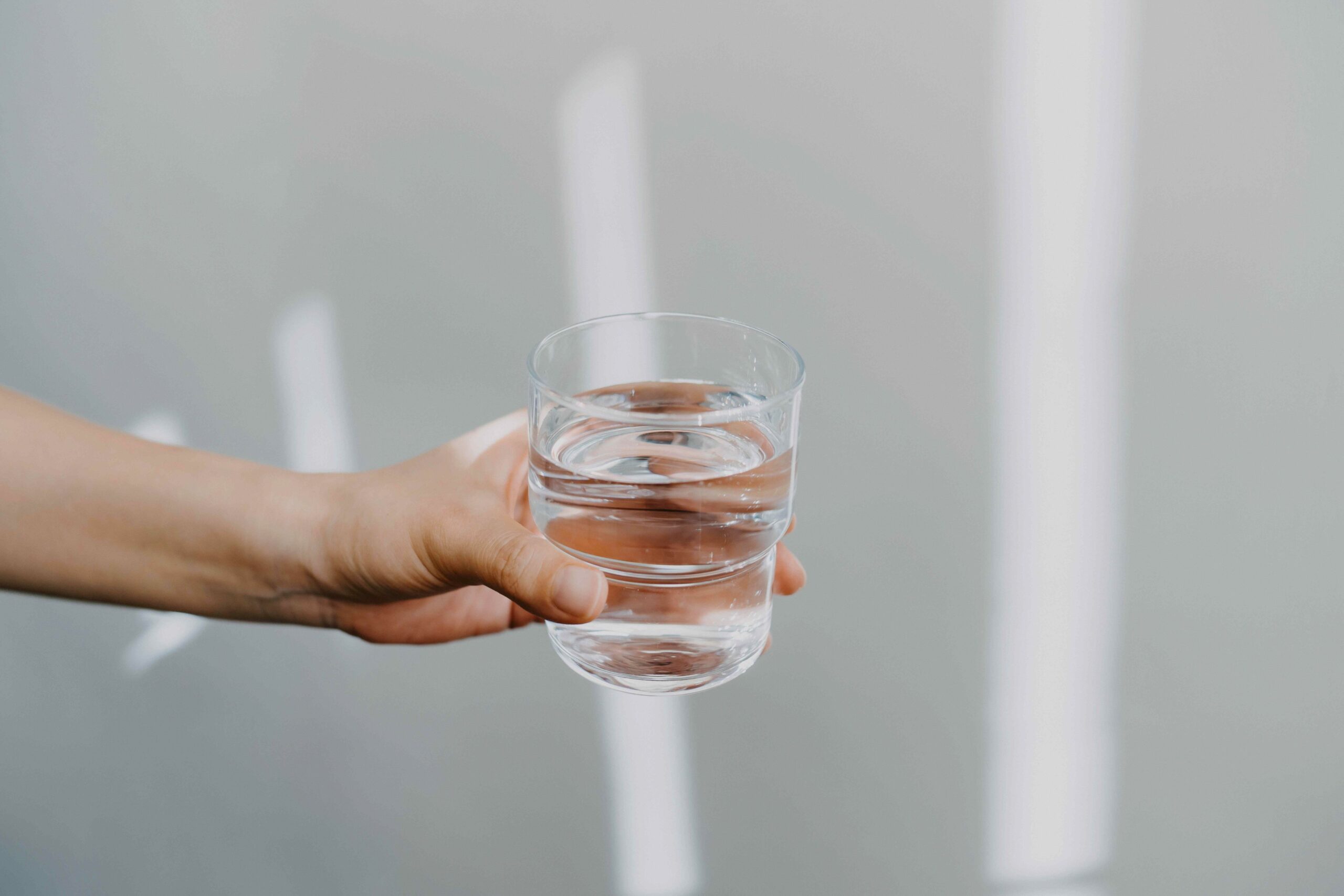
Maintaining healthy blood pressure is vital, yet often overlooked. While medication and lifestyle changes are key, simple hydration plays a surprisingly significant role. This article breaks down the science behind how drinking water impacts blood pressure, what amount is optimal, and which other beverages can help.
The Link Between Dehydration and Hypertension
High blood pressure (hypertension) arises when blood exerts excessive force against artery walls. Research published in 2022 indicates a correlation: people with high blood pressure tend to be chronically dehydrated. When the body lacks water, blood volume drops, leading to electrolyte imbalances – particularly sodium concentration. High sodium triggers vasopressin release, a hormone that constricts blood vessels and elevates pressure.
Drinking water counteracts this effect by restoring blood volume and preventing dangerous electrolyte shifts. This isn’t just about avoiding thirst; it’s about maintaining a physiological balance crucial for cardiovascular health.
How Much Water Do You Need?
The standard recommendation of six to eight glasses (64 ounces) daily is a good starting point, and has been validated by multiple studies. However, individual needs vary significantly based on:
- Age
- Sex
- Weight
- Climate
- Activity level
- Pregnancy or breastfeeding status
Sweating through exercise or living in hot climates requires increased intake. The goal isn’t just to drink enough water, but to avoid both dehydration and overhydration, which can lead to fluid overload.
The Risks of Overhydration
While dehydration raises blood pressure, excessive fluid intake can also cause problems. Hypervolemia (too much fluid) strains blood vessel walls, increasing hypertension. This is common in individuals with liver disease (cirrhosis), kidney issues, or heart failure, as well as those consuming high-sodium diets. Balance is key: supporting cardiovascular health means avoiding extremes.
Beyond Water: Other Blood Pressure-Friendly Drinks
Water isn’t the only option. Several beverages can contribute to lower blood pressure:
- Beet Juice: Daily consumption lowers systolic pressure by widening blood vessels (nitrates).
- Tomato Juice: A year-long study showed improvements in blood pressure and LDL cholesterol.
- Pomegranate Juice: Rich in antioxidants, it may reduce blood pressure according to research.
- Cranberry Juice: 16 ounces daily for eight weeks helped lower blood pressure in overweight adults.
- Green/Black Tea: Regular consumption may help, with green tea potentially being more effective.
- Electrolyte Water: Magnesium, calcium, and potassium-rich drinks can reduce hypertension risk. Avoid sodium-heavy options.
A Holistic Approach to Blood Pressure Management
Hydration is just one piece of the puzzle. Effective blood pressure management requires a broader plan: prioritizing heart-healthy habits, including regular exercise, a balanced diet, stress reduction, and consulting with a healthcare professional.
In conclusion, staying adequately hydrated is a simple yet powerful tool for managing blood pressure, but it works best when combined with other lifestyle interventions. Ignoring hydration can worsen hypertension, while overdoing it can have its own risks. Finding the right balance is crucial for long-term cardiovascular well-being.


