







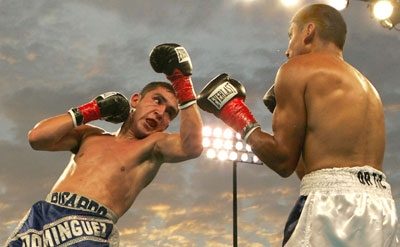
Boxing isn’t just two people swinging fists until someone hits the deck. It’s a centuries-old sport layered with corruption, glorious characters, and the constant threat of tragedy. You strip away the drama and you’re left with a brutal test of will. Add in the history and the controversy, and it becomes something far more compelling than a simple brawl.
We are diving into the mechanics of how you win or lose, the hierarchy of titles, the science of the fight, and why this sport remains so dangerous.
The Ring and the Rules
A boxing match is not a street fight. There are strict rules designed to keep the bout interesting and prevent serious injury. These rules shift slightly between amateur Olympic bouts and professional circuits, but the core intent remains: control. Before a major fight, a rules meeting ensures every participant knows the specific regulations for that card.
The ring itself is a raised square platform. It sits over about an inch of padding and is enclosed by flexible ropes attached to steel posts at each corner. Size matters here. Smaller venues might host a ring that is just 16 feet on a side. Olympic boxing allows rings up to 20 feet in diameter. Some professional organizations push the limits to 25 feet.
Inside that canvas, boxers must follow a strict code of conduct. Violations result in point deductions or disqualification. Here is what you absolutely cannot do:
- Strike below the belt.
- Hit an opponent who is down on the canvas.
- Kick or headbutt.
- Use elbows, forearms, or the inside of the hand (slapping).
- Bite ears. Mike Tyson proved this rule needed to be explicit.
- Grab the ropes for leverage.
- Poke the eye with the thumb. Muhammad Ali’s swollen right eye after defeating George Foreman in the 1974 “Rumble in the Jungle” was a direct result of this tactic.
- Wrestle or grapple excessively.
Rounds and Protection
Professional championship fights consist of 12 rounds. They used to go for 15, but the shift was largely due to safety concerns. Lower-ranked pro bouts might see 10 rounds or fewer. Amateur matches are shorter. They feature three, four, or five rounds, each lasting two minutes. Junior divisions cut those times even further.
Between rounds, boxers get one minute of rest. It’s a brief window to recover, rehydrate, and listen to corner advice.
Protection is built into the gear. Boxing gloves are padded leather, designed to protect the wearer’s hands while reducing the impact delivered to the opponent. Underneath, hands are wrapped in athletic bandages. This wrapping is strictly regulated to ensure no unfair advantage or hidden rigidity. Amateur boxers also wear headgear. It doesn’t prevent concussions, but it significantly reduces cuts and scrapes.
How You Win or Lose
So, how does a boxer actually win? It rarely ends with a knockout in every fight. There are several ways to take home the belt or the decision.
Knockout (KO)
The most definitive win. The referee stops the fight because a fighter cannot continue. This can happen if a boxer is knocked down and fails to rise within the ten-count, or if the referee judges them unfit to continue even if they are still standing.
Technical Knockout (TKO)
This is the referee’s intervention. If a boxer is taking too much punishment, unable to defend themselves intelligently, or bleeding excessively, the referee steps in. It’s a stoppage, but not a formal knockout in the traditional sense. The fight ends because continuing is deemed too dangerous.
Disqualification (DQ)
If a boxer commits a severe foul or repeatedly ignores warnings, the referee can disqualify them. The opponent wins automatically. This is rare in top-tier fights but happens when frustration boils over.
Decision
If the fight goes the distance, the judges’ scorecards decide the winner. They score each round based on clean punching, ring generalship, defense, and aggression. The boxer with the higher total score wins. Unanimous decisions mean all three judges agree. Split decisions happen when two judges favor one fighter and the third favors the other. Draw? Rare, but possible if the judges score it evenly.
Why It Matters
Boxing is simple on the surface. Hit or don’t get hit. But the complexity lies in the strategy, the psychology, and the physical toll. It’s a sport where glory and tragedy share the same ring. Understanding the rules, the structure, and the risks is the first step to appreciating why it endures.
The danger is real. The concussions, the brain trauma, the chronic pain—it’s all part of the package. But for the fans who follow the sport, that risk is what makes every punch matter. There is no script. No guaranteed outcome. Just two people, the ring, and the will to survive.
This is just the beginning. We’ve looked at the basics. Next, we’ll dive into the divisions, the titles, and the history that built this chaotic, beautiful sport.
How Boxing Decisions Actually Work
Most fights don’t end in a flash of violence. They end in a spreadsheet.
When neither fighter drops the other for ten seconds, the gloves come off. The crowd groans. The judges’ scorecards are collected. This is a decision.
Professional bouts rely on three judges. Sometimes two. Olympic boxing uses five. The goal is simple: who won more rounds? But getting there involves a lot of subjectivity disguised as math.
The Knockout Rules Are Strict
You can’t just stay in the pocket after you land a huge shot.
If you knock your opponent down, you must retreat to a neutral corner. Not your own. Not their corner. The one in the middle. If you linger, you’re lucky to survive the round, let alone the round after.
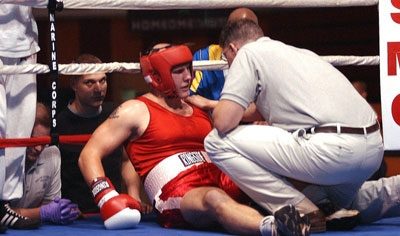
The referee steps in. He’s the only person allowed in the ring besides the fighters. He checks the downed boxer. Is he okay? Can he defend himself? If the rules require a mandatory eight count, the fighter has to wait. Even if he jumps up immediately. The count continues. If he’s out on his feet before the count reaches ten, he loses by knockout.
Some systems count three knockdowns in a single fight as a technical knockout (TKO). The record shows a KO. Other TKO reasons include a ringside doctor stopping the fight, a trainer throwing in the towel, or the referee deciding the fighter is too hurt to continue safely.
There’s also the “saved by the bell” rule. If a fighter is down when the round ends, he gets a reprieve. He goes to his corner. He gets the minute of rest. Some rulesets don’t allow this. They let the ten count finish after the bell rings. If he’s not up before the count hits ten, he loses. It’s a cruel distinction.
Why Decisions Feel Unfair
Judges don’t score punches landed. They score rounds.
They watch the action. Who looked better? Who controlled the pace? Who landed the cleaner shots? They assign a winner to each round. The points are tallied. The fighter with the most points wins.
It’s not precise. It’s interpretation. One judge sees dominance. Another sees resilience. The discrepancy creates controversy. Fans scream at the TV. Experts dissect the tape.
The scoring system varies slightly by region and organization. But the core logic remains: win more rounds. It doesn’t matter if you win by a split second or a split decision. The points add up.
The Scoring System
The next section dives deeper into how judges actually assign points. It’s less about damage and more about effective aggression. You might think landing the hardest punch wins the round. You’d be wrong.
Effective punching is about accuracy and impact. Not volume. Ring generalship matters. Defense matters. The ability to dictate where the fight happens matters.
Judges look for a clear advantage. If both fighters do the same thing, the round is often scored a draw. Or it’s awarded to the one who started stronger. It’s subjective. It’s messy.
But it’s how the sport is run. No video replay for judges. No instant review. Just three people in the front row, making split-second calls that determine careers.
That’s the reality of a decision. It’s not science. It’s art. And sometimes, it’s wrong.
But the bell has rung. The cards are in. The winner is declared.
Counting scoring punches is the baseline for who wins a round. The knuckle side of the fist needs to hit the front or sides of the body above the belt or the head. Olympic judges use a device to track these specific strikes. It’s quantifiable. It’s clean.
Fouls change the math. If a boxer commits a foul, his opponent gets two extra punches added to the round total. It’s a penalty that shifts the momentum instantly.
Pro boxing is messier. Subjective. Judges count punches, sure. But they also weigh aggression. Ring control. Tempo. Damage.
Imagine this. Red boxer lands a dozen decent jabs. Clean. Consistent. But blue boxer lands two hard hooks late in the round. Red is dazed. Staggered. The judges might give the round to blue. Why? Because the damage mattered more than the volume.
Different judges will score that round differently. One sees the jabs. One sees the hooks. Both have a point.
The Math Behind the Points
The points come from five-, 10- or 20-point systems. They all work the same way.
In a 10-point system, the winner gets 10. The loser gets nine. It’s a simple subtraction.
But if there’s a knockdown? Or one boxer utterly dominates? The score becomes 10-8. It’s not a draw. It’s a statement of superiority.
If a judge literally can’t decide who won? It’s 10-10. A tie.
The Four Possible Decisions
Not every fight ends with a clear winner on all three scorecards. Here is how the verdicts break down.
- Unanimous decision — All three judges score the same boxer as the winner. No debate.
- Split decision — Two judges favor one boxer. One favors the other. A split verdict.
- Majority decision — Two judges score for one boxer. One judge scores a draw. The winner still takes it, but barely.
- Draw — One judge for boxer A. One for boxer B. One scores a draw. Neither boxer wins.
There’s a rarer outcome too. A majority draw. Two judges call it a draw. One judge picks a winner. The result? Still a draw.
Ranks, Divisions, and Titles
Boxers have been divided by weight for about 100 years. It’s about safety. It’s about fairness.
Power comes from weight and muscle mass. A 200-lb man fighting a 140-lb man isn’t a contest. It’s a lopsided injury waiting to happen.
Weight divisions are mostly uniform worldwide. Some bodies recognize intermediate divisions. These sit between the main classes.
The World Boxing Association (WBA) and World Boxing Council (WBC) use standard names. The International Boxing Federation (IBF) and World Boxing Organization (WBO) use “junior” instead of “super.”
Example: Super Bantamweight is called Jr. Featherweight by the IBF. The weight noted is the upper limit. You can’t be over it.
Who Is the Real Champion?
Each division has one World Champion per sanctioning body. The title is represented by a belt. Decorative. Heavy. Valuable.
Different bodies have different titles. So who is the true champion? It depends on which organization you respect.
You might have a WBA Featherweight World Champion and a different IBF Featherweight World Champion. Two belts. Two champions. Confusion reigns.
Promoters love this. They set up unification matches. Fighters who hold belts in different organizations fight each other.
The winner takes both. They unify the championship.
The WBA, WBO, WBC, and IBF recognize each other’s titles. If a boxer unites two belts, he is a Unified Champion. Three belts? Super Champion. All four in a division? Undisputed Champion.
It’s a hierarchy of prestige. And it’s confusing.
Getting a Title Shot
No single body is the global authority. The influence of the big four varies by region. Local bodies like the British Boxing Board of Control (BBBC) or the Nevada State Athletic Commission (NSAC) have their own rules. They don’t publish rankings. They just enforce regulations.
So how do you get a shot? You climb the ranks.
Organizations publish monthly rankings. The current champion is at the top. The contenders follow.
You move up by fighting tougher opponents. The rankings depend on your win-loss record. The difficulty of your opponents. How convincing your wins were.
Top contenders get a chance to challenge. The champion must defend the belt regularly. Once every nine months. Once a year.
If one contender stands out, the terms are negotiated. Managers and promoters handle the deal.
If several contenders are equal? They fight each other. Elimination matches over several months. One true challenger emerges. The rest wait.
“Whom you regard as the ‘true’ champion depends on which organization you feel is more prestigious.”
The belts multiply. The titles get complicated. But the fight is always the same.
Stepping into the ring isn’t just about swinging hard. That approach gets you knocked out fast. Real boxing is a chess match played with fists.
Defense starts before you throw a single shot. It begins with your stance. Feet shoulder-width apart. For a southpaw, reverse the left and right. For a standard orthodox fighter, your right foot sits slightly behind the left.
Your right hand guards your chin. Elbow tucked down. Left hand extends a few inches forward, elbow bent. This position blocks or dodges incoming strikes. It also creates a stable base for launching your own attacks.
You might see fighters holding gloves lower. It’s risky. Fighters do it to throw opponents off or land quick body shots. Sometimes it’s just fatigue. Sometimes laziness. But the traditional stance offers the best defensive coverage.
Moving and Bobbing
Early in the match, boxers bob and weave. They bounce. They shift weight from one foot to the other. This creates a moving target. Harder to lock onto. Harder to hit.
This dance fades as the rounds pile up. After six or seven rounds, energy drains. Bobbing decreases. The movement becomes heavier. The target becomes easier to predict.
The Four Main Punches
There are infinite variations in theory. In practice, modern boxing relies on four core punches.
- Jab : Straight. Low power. Leading hand (left for orthodox). It tests distance. It “finds the range.” Enough jabs wear the opponent down.
- Hook : Powerful. The fist arcs sideways before swinging back in. Hits the side of the head or body. Either hand can throw it.
- Uppercut : Almost always right-handed. Arm drops. Elbow pulls back. Fist drives up in an arc. Connects under the guard. Effective at close range.
- Cross : Right hand fires from the chin. Crosses straight toward the face. Weight shifts. Right shoulder drives forward. Adds significant power.
Individual punches hit hard. But combinations are where the damage accumulates. A jab-cross combo is classic. Fast. Effective.
Styles of Fight
Everyone uses these moves. But how they combine them defines their style.
The Boxer
Technical. Agile. Fast. Wins by decision often. Moves around the outside of the ring. Stays out of reach. Waits for openings. Strikes quickly. Then retreats. Sugar Ray Leonard. Muhammad Ali. Masters of range.
The Slugger
Brutal power. Fewer punches. But when one connects, it’s over. Wins by KO. George Foreman. Late-career Mike Tyson. They don’t need volume. They need precision power.
Inside Fighter
Aggressive. Swarms the opponent. Takes a few shots to get in. Unleashes a barrage once inside. Joe Frazier. Roberto Duran. Prime Mike Tyson. This style is chaotic. It’s overwhelming.
The Grind of Training
Hollywood shows montages. Reality is grueling. Boxers need immense endurance.
Try throwing fast punches at the air for three minutes. Now try it while jogging in place. You’ll be winded. Arms heavy. That’s why boxers run. Lots of it.
Training also includes skipping rope for agility. Punching bags or trainer’s pads for strength. Weight lifting for mass and endurance. Sparring for ring experience.
Modern training goes further. Computer-designed diets. Expensive machines. Ballet classes for footwork and grace. The sport has evolved. But the core remains the same. Stance. Power. Style. Endurance.
Boxing didn’t start as a polite spectator sport. It began in the Hellenic Era, specifically between 323 and 146 B.C., as a bare-knuckle event in the early Olympic Games. Then the Romans took over. They turned fist-fighting into a gladiatorial bloodsport. Hand wraps were studded with metal spikes. Fights often ended in death.
Organized boxing basically vanished after that. It didn’t return until England in the 18th century. For decades, there were almost no rules. Fights looked more like modern MMA than the sport we know today.
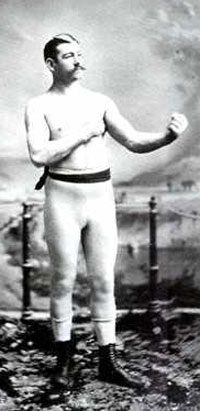
James Figg became the first ring legend. He fought on a bare wood platform surrounded by a fence. Jack Broughton followed. He is considered the father of boxing rules. Broughton invented gloves for training. He introduced rudimentary rules. He added technique to the chaos.
Real structure arrived later. In 1866, a British fan and boxing enthusiast known as the Marquis of Queensberry sponsored a fight under a new set of rules. These Marquis of Queensberry Rules included:
– A ten-second count for knockdowns
– Three-minute rounds
– Padded gloves
– A ban on wrestling-style moves
The world gradually adopted these rules.
Where Boxing Thrived and Failed
The popularity of boxing has waxed and waned for centuries. It stayed strong in England. That’s where the modern sport was founded. It also exploded in the United States. American popularity peaked in the 1930s.
The latter half of the 20th century saw an attempt to form a single worldwide boxing organization. It failed. Too many competing groups sprang up. No single entity took primacy. Even as of 2007, there was still a confusing patchwork of competing boxing organizations. The fragmentation persists.
The center of gravity in US boxing shifted. It moved from New York City. Madison Square Garden once hosted multiple fights each week. It moved to Las Vegas. Legal sports betting added a lucrative side business to the city. That money infusion led to the era of multi-million dollar fight purses and pay-per-view television.
The Cost of Entry: Injuries and Deaths
This financial boom didn’t erase the danger. The physical toll remains the sport’s darkest reality.
The Brutal Reality of the Ring
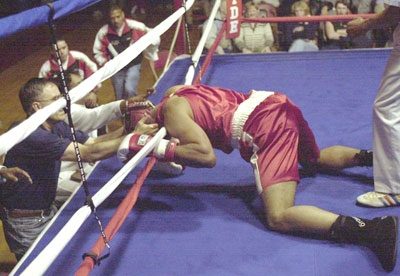
Boxing stands alone in the sports world. Success here is measured by the damage you deal. When a fighter hits the canvas, it is rarely about losing balance. It is about taking too many concussive blows to the head. The brain rattles. Vision blurs. Consciousness fades. One bad hit can cause permanent harm. Professionals take dozens of hits in a career. The toll adds up.
Medical groups are watching closely. The British Medical Association, American Medical Association, and Australian Medical Association all demand the sport be banned. They see only risk.
Acute Fatalities and Long-Term Decay
The injuries fall into two camps. Acute trauma. Cumulative decay.
Acute cases end in death. The ring has claimed lives. Gerald McLellan. Leavander Johnson. Jimmy Doyle. Duk-Koo Kim. Kim’s mother and the referee both took their own lives after that fatal bout. Benny Paret. Randie Carver. Becky Zerlentes. By December 2006, over 1,300 deaths were recorded. Later counts push that number higher. Between 1890 and 2019, 1,876 boxers died from ring injuries.
The other damage is harder to measure. It follows fighters into retirement. Medical evidence supports the claim that boxing causes long-term brain deterioration. The mind breaks down slowly.
Corruption and the Money Trail
Corruption hangs over the sport like smoke. It dates back to bare-knuckle fights in England. Fighters throw matches. They lose on purpose. Why? Gambling. Someone bet big on the opponent.
Modern gambling in Vegas does not help. Legal bets surround high-profile fights. The perception of corruption stays strong. Managers and promoters pocket millions. Urban kids take the beatings. The web of bribes and payoffs runs deep. Critics have plenty to say.
Rules, Styles, and History
Illegal moves are strict. No strikes below the belt. No hits when an opponent is down. No kicking. Elbows and forearms are off-limits. Slapping? Illegal. Head butting? Forbidden. Biting ears? No. Grabbing ropes? Bad. Poking eyes with a thumb? Foul. Wrestling? Grappling? Excessive holding? All banned.
Styles vary. You have The Boxer. The Slugger. The Inside Fighter. Each plays a different game.
Money talks. Mike Tyson earned $685 million in his career. Forbes tracked those numbers. That kind of cash moves markets.
Popularity shifted from New York to Las Vegas. Legal sports betting fueled the fire. Multi-million dollar purses followed. Pay-per-view TV exploded. The center of gravity moved west.
Where to Go Next
For more details, check the links on the next page.
World Boxing Association
World Boxing Organization
World Boxing Council
International Boxing Federation
The Boxing Times
Sources
- Andrea, Sam and Fleischer, Nat. An Illustrated History of Boxing. Citadel, 2002.
- Australian Medical Association. “Boxing ring no place for kids.”
- BBC Sport. “US woman dies after boxing match.” April 5, 2005.
- British Medical Association. “Boxing – the BMA’s position.” August 2006.
- Durant, John. The Heavyweight Champions. Hastings House, 1976.
- Elliot, Victoria Stagg. “AMA pulls no punches.” American Medical News, July 2002.
- Gerbasi, Thomas. “For Those Who Died.” Jan. 10, 2003.
- Luhning, Aaron. “Boxing Styles: Swarmer, Slugger, Boxer.”
- Mullan, Harry. Boxing: The Complete Illustrated Guide. Carlton Publishing Group, 2003.
- Svinth, Joseph R. “Death under the Spotlight.” Journal of Combative Sport, Jan. 2007.
- U.S.A. Boxing. “Technical Rules.”
- World Boxing Association. “Official Ratings As of February 2007.”
- “Amateur Boxing Linked To Brain Cell Injury.” Journal of the American Medical Association, Sept. 18, 2006.


