







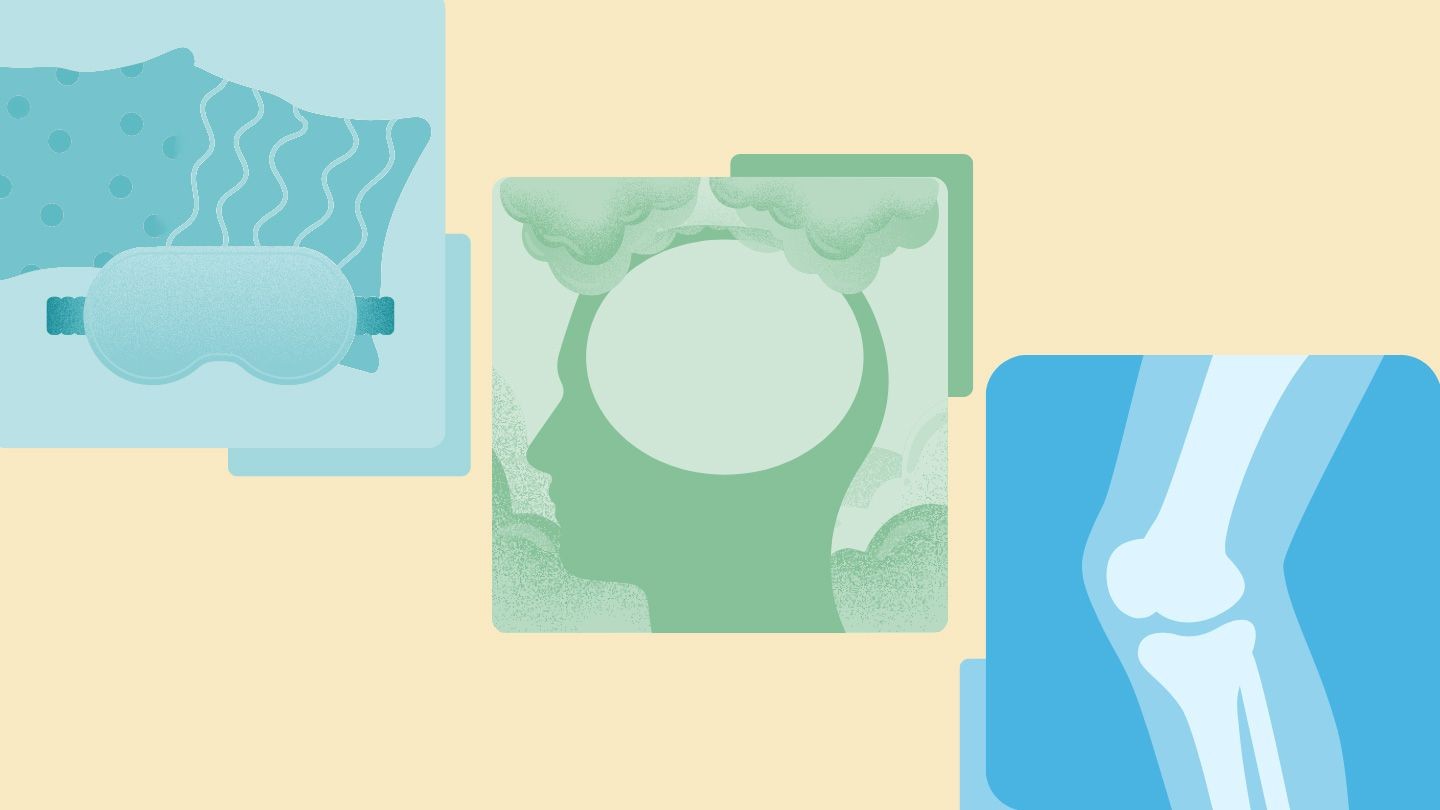
While the physical changes associated with acromegaly—such as altered facial features or enlarged hands and feet—are often the most recognizable signs, they are not the only impact of the disease. For many patients, the most debilitating symptoms are the “invisible” ones: internal struggles that others cannot see, but that profoundly alter daily life and mental well-being.
Acromegaly is a rare disorder caused by an overproduction of growth hormone (GH), typically triggered by a tumor in the pituitary gland. This excess GH stimulates the liver to produce IGF-1, a hormone that drives changes in bone and soft tissue while causing widespread metabolic disruption. While surgery to remove the tumor is the primary treatment, it is not always a complete cure, leaving many patients to manage persistent symptoms through long-term medication and lifestyle adjustments.
The Physical Toll: Joint Pain and Mobility
Excessive growth hormone can cause the cartilage between joints to thicken, leading to stiffness, swelling, and deep aching. This often manifests as:
– Chronic Joint Pain: Particularly in the knees, hips, and hands.
– Carpal Tunnel Syndrome: Resulting from tissue changes that compress nerves in the wrists.
– Bone Vulnerability: Abnormal bone structure, especially in the spine, which increases the risk of fractures.
Management Strategies:
Early intervention to lower IGF-1 levels can sometimes reverse joint changes. If changes are permanent, doctors may suggest steroid injections, gels, or even joint replacement. To support mobility, experts recommend:
– Gentle, non-weight-bearing exercises (e.g., cycling or stretching).
– Strength training to support weakened joints.
– An anti-inflammatory diet.
– Crucial Advice: Do not “normalize” the pain; advocate for imaging and professional treatment rather than simply enduring it.
The Energy Crisis: Fatigue and Sleep Disorders
Roughly half of all acromegaly patients suffer from debilitating fatigue. This is not mere tiredness; it is a profound exhaustion that persists regardless of rest. This fatigue is driven by several complex factors:
– Metabolic Issues: Insulin resistance prevents cells from using sugar effectively for energy.
– Sleep Apnea: Soft tissue overgrowth can obstruct airways (obstructive sleep apnea), or high GH levels can disrupt the brain’s breathing signals (central sleep apnea).
– Systemic Factors: Inflammation, depression, and muscle weakness.
Moving Forward: Specialists recommend sleep studies once IGF-1 levels are stabilized. Additionally, Cognitive Behavioral Therapy (CBT) can help manage the mental energy required to cope with chronic illness, while mindfulness practices can assist in energy conservation.
Neurological and Hormonal Disruptions
The presence of a pituitary tumor and the subsequent hormonal imbalance can lead to persistent neurological symptoms:
– Headaches: Affecting nearly 60% of patients, these often start at the base of the skull and radiate behind the eyes. They may be caused by tumor pressure, brain inflammation, or hormonal fluctuations.
– Sexual Dysfunction: Pituitary tumors can disrupt the production of reproductive hormones, leading to erectile dysfunction in men and menstrual changes or vaginal dryness in women. This is often a difficult topic for patients to discuss, yet it is a direct medical consequence of the disease.
The Mental Health Connection: “Brain Fog” and Emotional Strain
Acromegaly can significantly impact cognitive function and emotional stability. Many patients report “brain fog” —difficulty concentrating and memory lapses—likely caused by changes in brain structure or disrupted signaling pathways.
The psychological weight is equally heavy. Studies show that a significant portion of patients experience:
– Chronic stress and anxiety.
– Low self-esteem and depression.
– Feelings of embarrassment regarding physical changes.
“Mindset shift and linguistic framing can be life-changing,” says patient advocate Risa August, emphasizing the importance of self-compassion and finding community support.
Navigating Daily Life and the Workplace
Living with a chronic condition requires proactive management of one’s environment. Under the Americans with Disabilities Act (ADA), patients may be entitled to workplace accommodations, such as:
– Ergonomic workstations to mitigate joint pain.
– Access to quieter environments to manage headaches or focus.
– Flexibility for medical appointments and treatments.
Conclusion
Acromegaly is a multi-system disorder where the most life-altering symptoms are often the ones hidden from view. Managing the condition effectively requires a holistic approach—combining medical treatment to control hormone levels with physical therapy, mental health support, and patient advocacy to reclaim quality of life.


