






By Assistant Health Editor
May 20, 22026
When’s the last time you really thought about your hands?
Maybe when a jar lid refused to budge. Or carrying grocery bags up two flights of stairs. Most of us ignore our grip until it fails. That’s a mistake.
New research says our grip strength isn’t just a number on a gym chart. It is a direct line to the brain.
Scientists found a specific, deep region of the brain that dictates how strong we stay as we age. This changes things. If we can see it, maybe we can catch frailty early. Maybe we can even reverse the decay. Not the whole thing. But enough.
It’s not just muscle
Grip strength is the ultimate biomarker. It’s what researchers call a window into physical resilience. Simple math. Stronger grip means a healthier brain. They talk to each other.
Researchers at UC Riverside put this to the test. They recruited 60 older adults. Standard fare for a local study. But they didn’t just ask them to sit still.
They strapped them into functional MRI machines. Then they made them squeeze.
This is new. Usually, scans show structure or rest. This time, the scanners watched the brain in action. During maximum physical effort.
What did they see?
The hidden commander
One part of the brain lit up louder than the rest. The caudate nucleus.
You’ve probably heard of the basal ganglia. It handles movement. Decision-making. Habits. But the caudate wasn’t just moving fingers. It was predicting strength.
Stronger connections here meant a stronger grip. Always. Regardless of gender. Regardless of how much muscle mass they had to start with.
It beats other motor centers. The hippocampus and anterior cingulated cortex chimed in, sure. But the caudate was the hub. The boss.
The brain has to coordinate the force. Initiate it. Sustain it. Muscle alone can’t do it.
Do better, then
So what do you do with this info?
You move. Smartly.
This study isn’t a prescription yet. But the evidence is stacked.
- Lift things. Resistance training doesn’t just build meat. It sharpens the neural wiring.
- Balance your body. Try Pilates. Tai Chi. Anything that forces your brain and muscles to negotiate control.
- Keep learning. Attention shapes these pathways. Decision-making matters.
- Feed the pipes. Vascular health is non-negotiable. Blood flow keeps the connection crisp. Eat the greens. Watch the pressure.
The long view
We treat aging like it’s just rusting joints and sagging skin.
It’s not.
It’s a system failure. And the brain is the center of the network. Your hands tell the truth about the machine. A simple squeeze carries more data than we knew.
What will you squeeze?
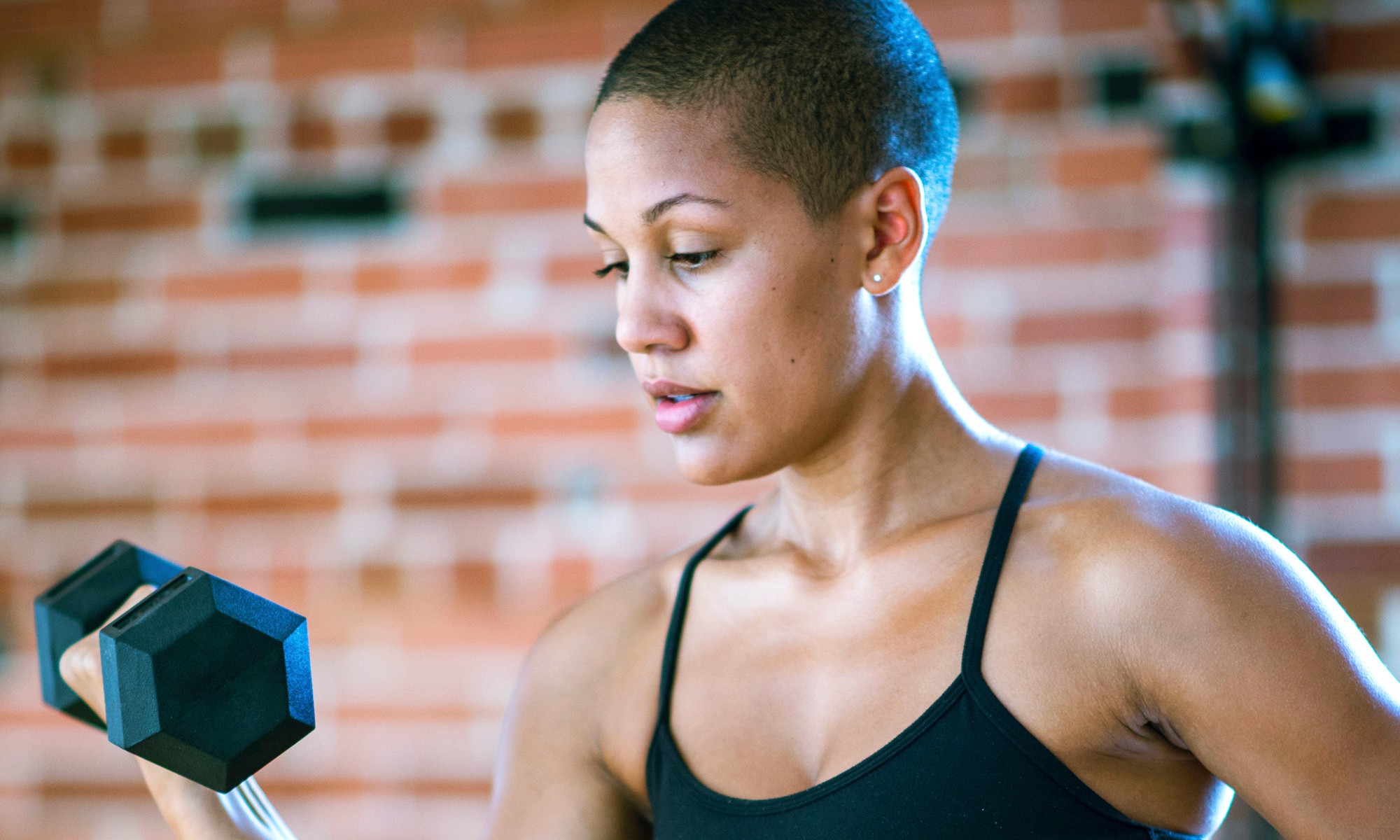
Image credit: Fat Camera / iStock
Source: Frontiers in Neuroscience


