



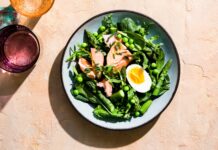

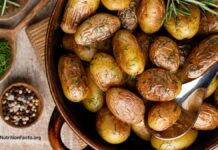


As the seasons shift, farmers’ markets undergo a vibrant transformation. The arrival of spring brings a specific palette of flavors—the natural sweetness of young carrots, the snap of fresh asparagus, and the delicate pop of peas. Beyond just tasting better, these seasonal ingredients are often at their peak nutritional value.
Registered Dietitian Nutritionist Molly Knudsen suggests leveraging these seasonal arrivals to refresh your culinary routine. By focusing on ingredients that are currently in season, you can create meals that are both effortless to prepare and deeply nourishing.
1. One-Bowl Carrot Cake Bars
Carrot cake is a seasonal staple for a reason, but using fresh spring carrots elevates the experience. Unlike larger, denser carrots, spring varieties are often sweeter and more tender, making them ideal for baking.
- Nutritional Benefit: Carrots are a powerhouse of beta-carotene, which the body converts into Vitamin A to support immune function, skin health, and vision. They also provide essential fiber for digestive regularity.
- The Dish: This recipe focuses on simplicity, utilizing a single bowl to minimize cleanup. It is naturally sweetened and can easily be adapted for a gluten-free diet by using oat flour.
2. Grilled Asparagus with Ramps and Spring Onions
For a dish that captures the essence of the season, combining asparagus with alliums like ramps and spring onions creates a bold, savory profile. This combination serves as an excellent accompaniment to various proteins.
- Nutritional Benefit: Asparagus is rich in prebiotic fiber, which is vital for feeding beneficial gut bacteria. It also contains glutathione, a potent antioxidant that helps the body manage oxidative stress.
- The Dish: The earthy, garlicky notes of ramps and spring onions complement the crisp texture of the grilled asparagus, creating a “party” of spring flavors on a single plate.
3. Cauliflower and Sweet Pea Salad
This salad plays with contrasting textures: the warm, caramelized edges of roasted cauliflower paired with the bright, fresh burst of sweet peas.
- Nutritional Benefit: Cauliflower is a nutrient-dense cruciferous vegetable that is often underutilized in home cooking. When paired with peas—which can be used from the freezer if fresh ones aren’t available—it creates a balanced, fiber-rich meal.
- The Dish: The highlight of this recipe is the mint-pea yogurt dressing. By blending peas, fresh mint, and Greek yogurt, you create a creamy, cooling element that cuts through the richness of the roasted cauliflower. A garnish of microgreens adds a final touch of delicate sweetness.
The Bottom Line: Embracing seasonal produce is more than just a culinary trend; it is a practical way to integrate high-quality antioxidants, fiber, and vitamins into your diet through fresh, flavorful, and easy-to-prepare meals.


